Introduction
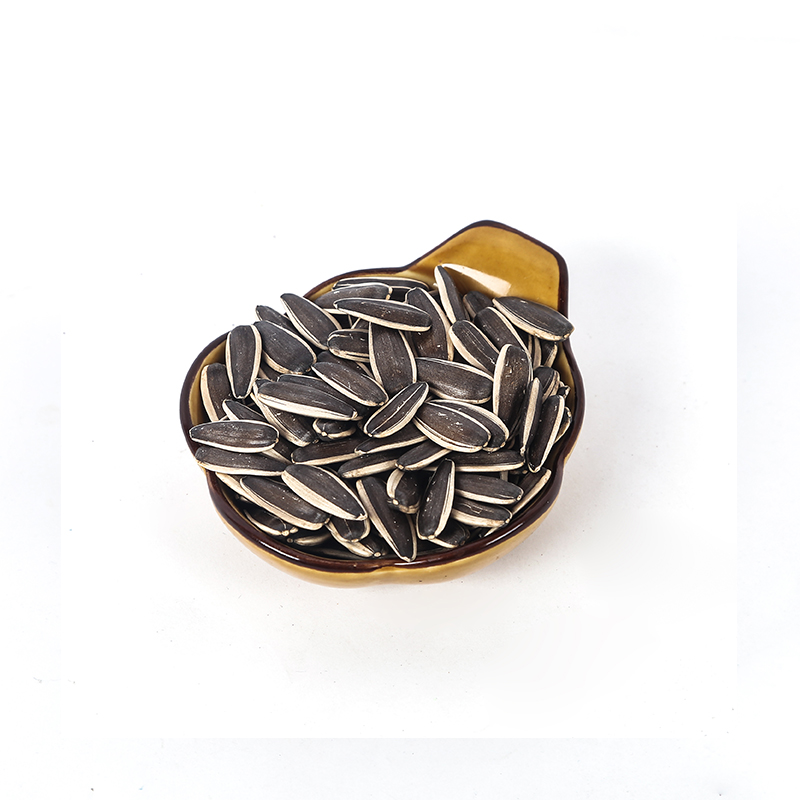
Bulk sunflower seeds for direct consumption represent a significant segment within the global snack food industry. Technically positioned between agricultural commodity processing and finished food products, these seeds undergo post-harvest handling, cleaning, grading, and often flavoring to meet consumer demands. Core performance characteristics center around kernel integrity (minimizing broken or damaged seeds), oil content (influencing flavor and nutritional value), moisture content (critical for storage stability and preventing fungal growth), and freedom from contaminants (foreign materials, pesticides, and mycotoxins). The industry faces consistent challenges in maintaining consistent quality across large-volume production, adhering to stringent food safety regulations, and optimizing logistical efficiency from farm to consumer. The increasing demand for healthier snack options positions sunflower seeds as a key product, necessitating a detailed understanding of their inherent properties and processing parameters.
Material Science & Manufacturing
Sunflower seeds ( Helianthus annuus) are composed primarily of an oil-rich kernel surrounded by a hull (pericarp). The kernel comprises approximately 40-50% oil, 20-30% protein, 15-25% carbohydrate, and 5-10% moisture, depending on the variety and growing conditions. The oil is predominantly linoleic acid (omega-6 fatty acid), with smaller amounts of oleic acid (omega-9 fatty acid) and palmitic acid. The hull is largely cellulose and lignin, providing structural integrity. Manufacturing begins with harvesting, followed by drying to reduce moisture content to approximately 8-10%. This critical step prevents mold growth and extends shelf life. The seeds then undergo dehulling, a mechanical process separating the kernel from the hull. Dehulling efficiency impacts the final product’s aesthetics and consumer appeal. Kernels are subsequently cleaned utilizing air separation, screening, and gravity tables to remove foreign matter, broken kernels, and residual hulls. Grading is performed based on kernel size, color, and oil content. Flavoring, typically involving dry seasoning application (salt, spices, coatings), is the final processing stage. Parameter control during drying is paramount; excessive heat can denature proteins and reduce oil quality. Hulling abrasion must be minimized to prevent kernel damage. Seasoning uniformity requires precise control of applicator settings and seed flow rates. Variations in seed variety (oil content, kernel size) impact processing parameter adjustments needed.
Performance & Engineering
Performance of bulk sunflower seeds is governed by several key engineering principles. The compressive strength of the kernel dictates its resistance to breakage during handling and processing. Analysis of force required to fracture a kernel is crucial for optimizing dehulling and seasoning equipment. Environmental resistance, particularly to humidity, dictates storage stability. Water Activity (Aw) is a critical parameter; maintaining Aw below 0.6 prevents microbial growth. Packaging materials must provide an effective moisture barrier. Furthermore, sunflower seed oil is susceptible to oxidation, leading to rancidity. The rate of oxidation is influenced by temperature, light exposure, and the presence of metallic contaminants. Antioxidants are often added to mitigate oxidation. Compliance requirements include adherence to food safety regulations such as HACCP (Hazard Analysis and Critical Control Points) and FSMA (Food Safety Modernization Act). Aflatoxin contamination is a significant concern; regular testing is essential. Furthermore, processing equipment must be designed to minimize metal contamination (e.g., using magnetic separators). Dust control is also vital, as sunflower seed dust can be combustible, creating a potential explosion hazard. Proper ventilation and grounding are essential safety measures.
Technical Specifications
| Parameter | Unit | Typical Value | Test Method |
|---|---|---|---|
| Kernel Oil Content | % (Dry Basis) | 48-52 | AOAC 989.19 |
| Kernel Moisture Content | % | 8-10 | AOAC 925.10 |
| Kernel Broken Percentage | % | < 5 | Visual Inspection |
| Foreign Matter | % | < 1 | Visual Inspection |
| Aflatoxin Level (Total) | ppb | < 20 | HPLC |
| Water Activity (Aw) | - | < 0.6 | Water Activity Meter |
Failure Mode & Maintenance
Sunflower seeds are susceptible to several failure modes. Rancidity due to lipid oxidation is a common issue, manifesting as an off-flavor and odor. This is accelerated by exposure to oxygen, light, and elevated temperatures. Microbial spoilage, primarily from molds and yeasts, occurs when moisture content is too high. Aflatoxin production by Aspergillus species is a severe concern. Kernel breakage during handling and processing reduces product quality and can generate dust, posing a safety hazard. Hull contamination resulting from incomplete dehulling affects aesthetics and palatability. Insect infestation can occur during storage, leading to product loss and contamination. Preventative maintenance on processing equipment (dehullers, graders, seasoning applicators) is crucial. This includes regular cleaning to prevent buildup of seed debris and foreign materials, lubrication of moving parts to reduce wear, and inspection for damaged components. Storage facilities must be kept clean, dry, and well-ventilated. Temperature and humidity control are essential. Regular pest control measures are necessary. Quality control testing (oil content, moisture content, aflatoxin levels) should be performed at multiple stages of the process. Packaging should utilize moisture barrier materials to protect against humidity. Implementing a robust traceability system allows for quick identification and recall of potentially contaminated batches.
Industry FAQ
Q: What is the critical moisture content threshold for long-term sunflower seed storage?
A: The critical moisture content threshold for long-term sunflower seed storage is generally considered to be below 8%. Maintaining a moisture content below this level significantly reduces the risk of microbial growth, particularly mold proliferation and aflatoxin production, ensuring extended shelf life and preservation of product quality.
Q: How do you mitigate the risk of aflatoxin contamination in bulk sunflower seeds?
A: Mitigating aflatoxin risk requires a multi-faceted approach. This includes sourcing seeds from regions with low aflatoxin prevalence, implementing strict pre-harvest monitoring, proper drying to reduce moisture content, effective cleaning and grading to remove contaminated kernels, and regular testing throughout the processing and storage phases. Use of appropriate storage conditions (low humidity, temperature control) is also vital.
Q: What is the impact of dehulling efficiency on the final product quality?
A: Dehulling efficiency directly impacts the final product quality. Incomplete dehulling results in a higher percentage of hulls remaining on the kernels, leading to a less appealing appearance and a slightly bitter taste. Excessive dehulling can cause kernel damage, increasing the percentage of broken kernels and dust, which impacts both quality and processing efficiency.
Q: How does oil content affect the shelf life and flavor profile of sunflower seeds?
A: Higher oil content generally contributes to a richer flavor profile, but also increases the susceptibility to oxidative rancidity. The type of oil (oleic vs. linoleic acid) also influences shelf life; seeds with a higher oleic acid content are more resistant to oxidation. Proper packaging and antioxidant addition are crucial for preserving flavor and extending shelf life.
Q: What are the key considerations for packaging bulk sunflower seeds to maintain freshness and prevent moisture uptake?
A: Key packaging considerations include utilizing materials with a low oxygen transmission rate (OTR) and a low water vapor transmission rate (WVTR) to prevent oxidation and moisture uptake. Multi-layer films, incorporating materials like metallized polyester or ethylene vinyl alcohol (EVOH), are commonly used. Vacuum or modified atmosphere packaging (MAP) can further extend shelf life. Proper sealing is also critical to maintain package integrity.
Conclusion
Bulk sunflower seeds, while seemingly simple, represent a complex interplay of agricultural, chemical, and engineering principles. Maintaining quality and safety necessitates a thorough understanding of kernel composition, processing parameters, and potential failure modes. Optimizing moisture control, minimizing oxidation, and implementing rigorous quality assurance protocols are critical for delivering a consistent, palatable, and safe product to the consumer.
The future of the sunflower seed industry will likely focus on developing varieties with enhanced oil profiles (higher oleic acid content for improved stability), implementing advanced processing technologies for improved dehulling efficiency and reduced breakage, and leveraging sustainable packaging solutions to minimize environmental impact. Continuous monitoring of international standards and proactive adaptation to evolving food safety regulations will remain paramount for industry success.
