Introduction
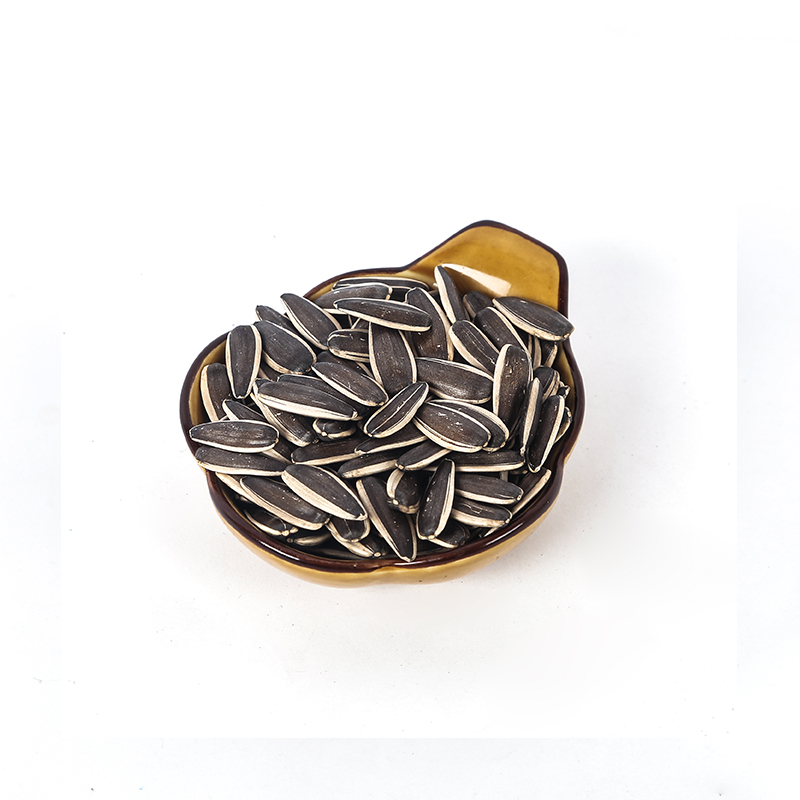
Bulk sunflower seeds for direct consumption represent a significant segment of the global seed market, functioning as both a snack food and a valuable source of nutrients. Positioned within the agricultural commodity chain as a post-harvest processed product, sunflower seeds undergo cleaning, drying, and often, grading based on size and quality. Their core performance characteristics center around oil content, protein levels, kernel size, and overall palatability – factors directly impacting consumer acceptance and market value. The industry faces ongoing challenges related to aflatoxin contamination, consistent quality control across diverse growing regions, and maintaining cost-effectiveness to compete with alternative snack options. This guide provides a comprehensive technical overview of bulk sunflower seeds, covering material science, manufacturing processes, performance parameters, failure modes, and relevant industry standards.
Material Science & Manufacturing
Sunflower seeds ( Helianthus annuus ) primarily consist of a kernel (the edible portion) surrounded by a hull (shell). The kernel’s composition is approximately 40-55% oil (primarily linoleic acid, an omega-6 fatty acid), 20-25% protein, 15-20% carbohydrates, and 5-10% moisture. The hull comprises roughly 20-30% of the total seed weight and is largely cellulose and lignin. Seed variety significantly influences oil content and fatty acid profile. Manufacturing begins with harvesting, followed by drying to a moisture content of 8-10% to prevent mold growth. Cleaning removes debris (stalks, leaves, stones). Hulling is a crucial step, achieved through mechanical abrasion or impact, separating the kernel from the hull. Grading categorizes seeds based on size, density, and the presence of defects. Parameters such as roller gap settings during dehulling, airflow rates during cleaning, and drying temperature (typically below 50°C to preserve oil quality) are meticulously controlled. Oil extraction, while not a component of seed preparation for direct consumption, influences byproduct streams and overall processing efficiency. The presence of phytosterols and vitamin E contributes to the seed’s nutritional value. Improper drying leads to rancidity, while excessive mechanical force during hulling results in kernel damage.

Performance & Engineering
The performance of bulk sunflower seeds is critically linked to their structural integrity and chemical stability. Kernel hardness, determined by compression testing, dictates resistance to cracking during handling and processing. Shear strength assesses the force required to fracture the kernel, influencing its textural properties. Oil stability, measured by the Rancimat method, quantifies resistance to oxidative rancidity. The peroxide value (PV) and anisidine value (AV) provide further insights into lipid oxidation. Moisture content directly impacts shelf life and susceptibility to microbial growth. Aflatoxin levels, regulated by international standards (see section 7), are a primary safety concern. Engineering considerations include storage conditions (temperature, humidity, oxygen levels) to minimize degradation. Packaging materials (typically polymeric films) must provide an effective barrier against moisture, oxygen, and light. Bulk density influences transportation and storage efficiency. The seeds must withstand vibrational stresses during transport without significant kernel breakage. Maintaining a consistent size distribution is important for automated processing and packaging operations. Furthermore, the seeds must meet regulatory requirements for pesticide residues and heavy metal content.
Technical Specifications
| Parameter | Unit | Typical Range | Test Method |
|---|---|---|---|
| Oil Content (Dry Basis) | % | 40-55 | AOAC 983.23 |
| Protein Content (Dry Basis) | % | 20-25 | Kjeldahl Method (AOAC 978.05) |
| Moisture Content | % | 8-10 | Oven Drying (AOAC 925.09) |
| Kernel Size (Diameter) | mm | 8-12 | Sieve Analysis |
| Hull Content | % | < 5 (for hulled seeds) | Visual Inspection/Weight Difference |
| Aflatoxin B1 | ppb | < 20 | ELISA or HPLC |
Failure Mode & Maintenance
Failure modes for bulk sunflower seeds predominantly relate to quality degradation. Rancidity, caused by lipid oxidation, is a common failure, resulting in off-flavors and reduced nutritional value. This is accelerated by exposure to oxygen, light, and elevated temperatures. Aflatoxin contamination, due to Aspergillus mold growth, poses a significant safety hazard and constitutes a critical failure. Physical damage during handling and processing (cracking, breakage) reduces the aesthetic appeal and can increase susceptibility to oxidation. Insect infestation leads to seed loss and contamination. Maintenance practices focus on preventative measures. Proper storage in cool, dry, and dark conditions is essential. Regular monitoring of moisture content and aflatoxin levels is crucial. Implementing a robust pest control program prevents insect infestation. Packaging materials should provide an effective barrier to moisture and oxygen. First-in, first-out (FIFO) inventory management minimizes storage time. Equipment cleaning and sanitation prevent mold growth and cross-contamination. Damage assessment during transport is vital to identify handling issues.
Industry FAQ
Q: What are the primary factors affecting sunflower seed oil stability during storage?
A: Oil stability is predominantly affected by exposure to oxygen, light, temperature, and the presence of pro-oxidant metals (e.g., iron, copper). Higher temperatures accelerate oxidation rates. Light exposure promotes free radical formation. Oxygen is a key reactant in the oxidation process. Proper packaging and storage conditions (cool, dark, inert atmosphere) are critical to minimize degradation.
Q: How is aflatoxin contamination prevented and controlled?
A: Prevention starts with good agricultural practices, including minimizing kernel damage during harvest and ensuring proper drying. Storage facilities must be clean, dry, and well-ventilated. Regular testing for aflatoxin levels is essential. Seeds exceeding regulatory limits must be rejected or diverted to non-food applications. The use of antifungal agents may be considered, but must comply with regulations.
Q: What is the impact of hulling on the seed's shelf life?
A: Hulling generally improves shelf life by removing the hull, which can harbor moisture and contaminants. However, hulled seeds are more susceptible to oxidation due to increased surface area exposure. Therefore, proper packaging is even more critical for hulled seeds.
Q: What are the key differences between oil-type and confectionary-type sunflower seeds?
A: Oil-type seeds are bred for high oil content and are primarily used for oil extraction. Confectionary-type seeds are bred for larger kernel size, hull characteristics (easy hulling), and flavor, making them suitable for direct consumption as a snack. They typically have a lower oil content but a higher protein content compared to oil-type seeds.
Q: How is the moisture content of bulk sunflower seeds accurately measured for quality control?
A: Moisture content is typically measured using a moisture analyzer based on the oven-drying method (AOAC 925.09). A representative sample of seeds is weighed, dried in an oven at a specified temperature (usually 130°C) until constant weight, and then reweighed. The moisture content is calculated as the weight loss during drying expressed as a percentage of the initial weight.
Conclusion
Bulk sunflower seeds represent a complex agricultural commodity requiring rigorous quality control throughout the entire supply chain. From the initial stages of harvesting and drying to storage and packaging, careful attention to material science principles and engineering considerations is paramount. Understanding the key performance parameters—oil content, protein levels, moisture content, and aflatoxin presence—is crucial for ensuring product safety and meeting market demands. Properly managed storage and handling practices, coupled with adherence to international standards, are essential for preventing quality degradation and maximizing shelf life.
Future developments within the industry will likely focus on breeding programs for improved oil stability and aflatoxin resistance, as well as advancements in packaging technologies to enhance barrier properties and extend shelf life. Implementing advanced analytical techniques for rapid and accurate quality assessment will become increasingly important. The continued emphasis on sustainable agricultural practices and responsible sourcing will also shape the future of the bulk sunflower seed market.
