Introduction
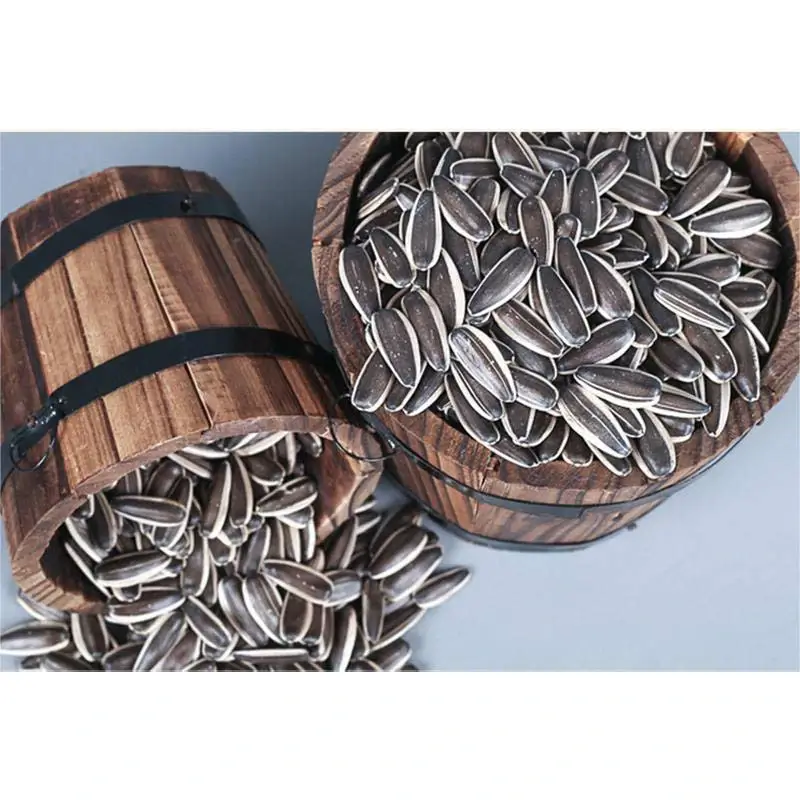
Bulk sunflower seeds for direct consumption represent a significant segment of the global snack food industry. This technical guide addresses the manufacturing considerations for producers supplying large-volume buyers, focusing on seed quality, processing methodologies, and maintaining consistent product characteristics. Sunflower seeds ( Helianthus annuus ) are valued for their nutritional profile, comprising healthy fats, protein, vitamins, and minerals. From a manufacturing perspective, the core challenges lie in maintaining seed integrity during dehulling, drying, and seasoning, while strictly adhering to food safety regulations. This guide will detail the critical parameters impacting the final product, covering material science, engineering principles, quality control, and potential failure modes. The supply chain extends from agricultural production to large-scale processing and packaging, demanding a robust understanding of each stage to minimize losses and maximize consumer appeal.
Material Science & Manufacturing
The primary material is, of course, the sunflower seed itself. Sunflower seeds are composed of a hull (pericarp), kernel (cotyledon), and embryo. Kernel oil content, typically ranging from 40-55% depending on the variety, is a crucial specification. Seed varieties are broadly categorized as confectionary (large kernel size, black or striped hull) or oilseed (smaller kernel, black hull). Confectionary varieties are preferred for direct consumption. Raw material sourcing is critical; seed moisture content must be carefully managed to prevent mold growth and aflatoxin contamination. Dehulling is the initial processing step, mechanically removing the outer hull. This is often achieved through impact and friction, requiring precise control of machine settings to minimize kernel damage. Following dehulling, seeds are dried to a moisture content of approximately 7-8% to ensure shelf stability. Drying methods include convective air drying, fluidized bed drying, and vacuum drying. Each method affects kernel structure and flavor; rapid drying can induce cracking, while slow drying increases the risk of microbial growth. Seasoning is typically applied post-drying, involving the addition of salt, flavorings, and potentially coatings. Coating materials require compatibility with the seed’s oil content to prevent rancidity. Packaging materials, often multi-layer films, must provide a barrier to oxygen, moisture, and light to maintain product quality.
Performance & Engineering
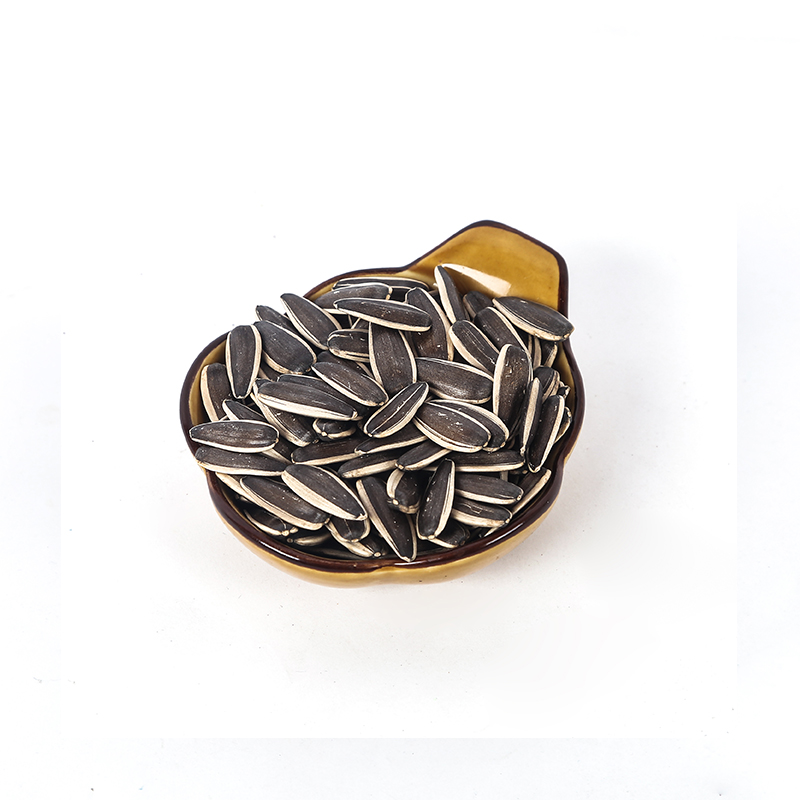
The performance of bulk sunflower seeds is largely defined by kernel integrity and consumer acceptability. Force analysis during dehulling is paramount. Excessive force leads to kernel breakage, reducing marketable yield. Machine design must balance throughput with minimization of mechanical stress. Environmental resistance, specifically moisture absorption, affects shelf life. The water activity (Aw) of the finished product must be maintained below 0.6 to inhibit microbial growth. Packaging engineering plays a vital role in achieving this. Barrier properties of packaging films, measured by Oxygen Transmission Rate (OTR) and Water Vapor Transmission Rate (WVTR), are critical. Compression testing evaluates the structural integrity of the kernel after processing. Seeds must withstand handling and transportation without significant cracking. Compliance requirements encompass stringent food safety standards, including HACCP (Hazard Analysis and Critical Control Points) and adherence to regional regulations regarding allowable levels of contaminants (e.g., heavy metals, pesticides). Flavor retention is also an engineering concern; packaging must minimize flavor loss due to volatilization or permeation. Dust control is important, requiring effective filtration systems within the processing facility to prevent explosions and maintain air quality.
Technical Specifications
| Parameter | Unit | Specification | Test Method |
|---|---|---|---|
| Kernel Moisture Content | % | 7.0 – 8.5 | Oven Drying Method (AOAC) |
| Kernel Oil Content | % | 45 – 55 | Soxhlet Extraction |
| Kernel Broken Percentage | % | ≤ 5 | Visual Inspection/Sieving |
| Hull Percentage (after dehulling) | % | ≤ 3 | Weight Separation |
| Water Activity (Aw) | - | ≤ 0.6 | Water Activity Meter |
| Peroxide Value (Indicator of Rancidity) | meq O2/kg | ≤ 10 | AOFCS Method |
Failure Mode & Maintenance
Common failure modes include kernel cracking due to excessive mechanical stress during dehulling or handling, rancidity resulting from oxidation of unsaturated fatty acids (addressed by proper drying, packaging, and antioxidant addition), and microbial contamination (aflatoxins are a significant concern, requiring stringent raw material sourcing and processing controls). Delamination of the kernel (separation of the cotyledons) can occur during drying if moisture removal is too rapid. Dust explosions are a risk in processing facilities if combustible dust accumulates and is ignited. Preventive maintenance of dehulling and drying equipment is critical, including regular inspection of rollers, belts, and bearings. Cleaning and sanitation protocols must be rigorously followed to prevent microbial growth. Packaging equipment requires maintenance to ensure consistent seal integrity. Regular monitoring of storage conditions (temperature and humidity) is essential to maintain product quality and prevent degradation. Failure analysis should involve microscopic examination of damaged kernels to identify the root cause of the problem (e.g., impact fractures, drying stress).
Industry FAQ
Q: What are the critical control points for aflatoxin contamination?
A: The most critical control points are raw material sourcing and drying. Seeds must be sourced from reputable suppliers with robust quality control programs. Thorough cleaning and grading of raw materials are essential. Proper drying to the specified moisture content (7-8%) inhibits aflatoxin production. Regular testing for aflatoxins is mandatory, following established regulatory limits.
Q: How does seed variety impact the final product?
A: Seed variety significantly impacts kernel size, oil content, and hull characteristics. Confectionary varieties are preferred for their larger kernels and thinner hulls, leading to a better eating experience. Oil content affects flavor and shelf life. Hull color and texture impact visual appeal.
Q: What packaging materials provide the best barrier properties for sunflower seeds?
A: Multi-layer films consisting of a metallized polyester layer, a polyethylene layer, and potentially an ethylene vinyl alcohol (EVOH) layer offer excellent barrier properties against oxygen, moisture, and light. The specific composition depends on the required shelf life and storage conditions.
Q: What are the common causes of kernel breakage during dehulling?
A: Common causes include improper machine settings (excessive impact force or pressure), worn or damaged dehulling components, and variations in seed moisture content. Regular maintenance and calibration of dehulling equipment are crucial.
Q: How can rancidity be minimized in sunflower seeds?
A: Rancidity can be minimized through proper drying to a low moisture content, packaging in oxygen-barrier materials, the addition of antioxidants (e.g., Vitamin E), and maintaining cool storage temperatures. Minimizing exposure to light also helps prevent oxidation.
Conclusion
The production of bulk sunflower seeds requires a holistic approach encompassing material science, precise engineering controls, and stringent quality assurance. Maintaining kernel integrity, controlling moisture content, and preventing oxidation are paramount to delivering a safe, high-quality product. A robust understanding of failure modes and implementation of preventative maintenance protocols are essential for maximizing yield and minimizing losses.
Future trends in the industry will likely focus on optimizing dehulling efficiency, developing more sustainable packaging materials, and enhancing traceability throughout the supply chain. Investing in advanced process control systems and predictive analytics will be critical for maintaining competitiveness and meeting evolving consumer demands for healthy and convenient snack foods.
