Introduction
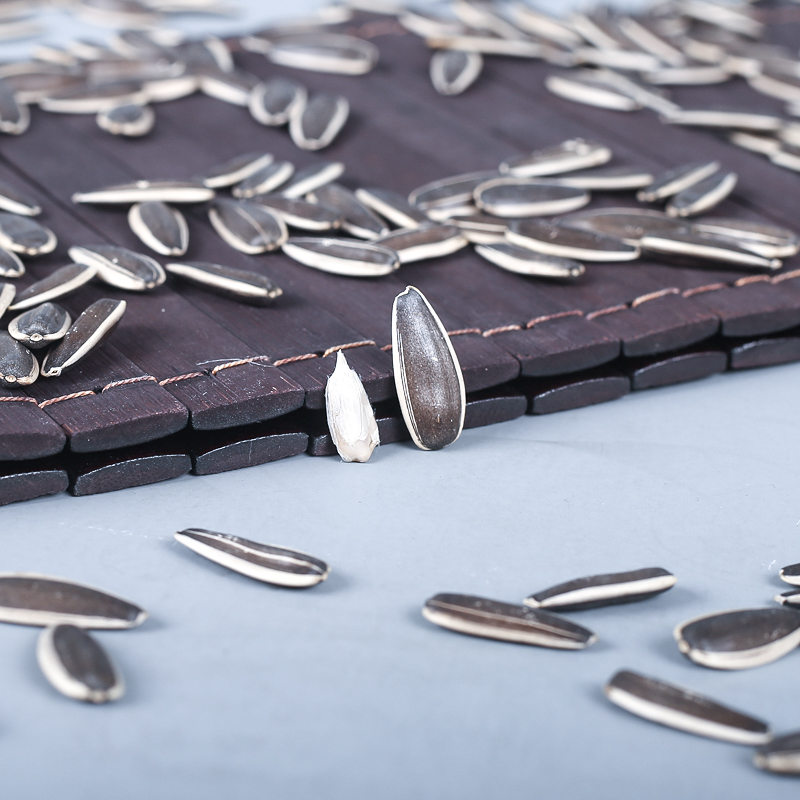
Bulk sunflower seeds, Helianthus annuus, represent a significant commodity within the agricultural and food processing industries. This technical guide focuses on the manufacturing considerations for sunflower seeds destined for direct human consumption, encompassing aspects from post-harvest processing to packaging and storage. Sunflower seeds are valued for their nutritional profile – high in protein, healthy fats, vitamin E, and magnesium – driving demand across diverse consumer segments. This guide will detail the crucial parameters impacting seed quality, including oil content, hulling rates, moisture content, and the prevention of mycotoxin contamination. Maintaining consistent quality is paramount for manufacturers supplying food processors, snack food companies, and retail outlets. Understanding the complexities of seed physiology and the mechanics of industrial processing is essential for optimizing yield, minimizing waste, and ensuring product safety and compliance with international food safety standards.
Material Science & Manufacturing
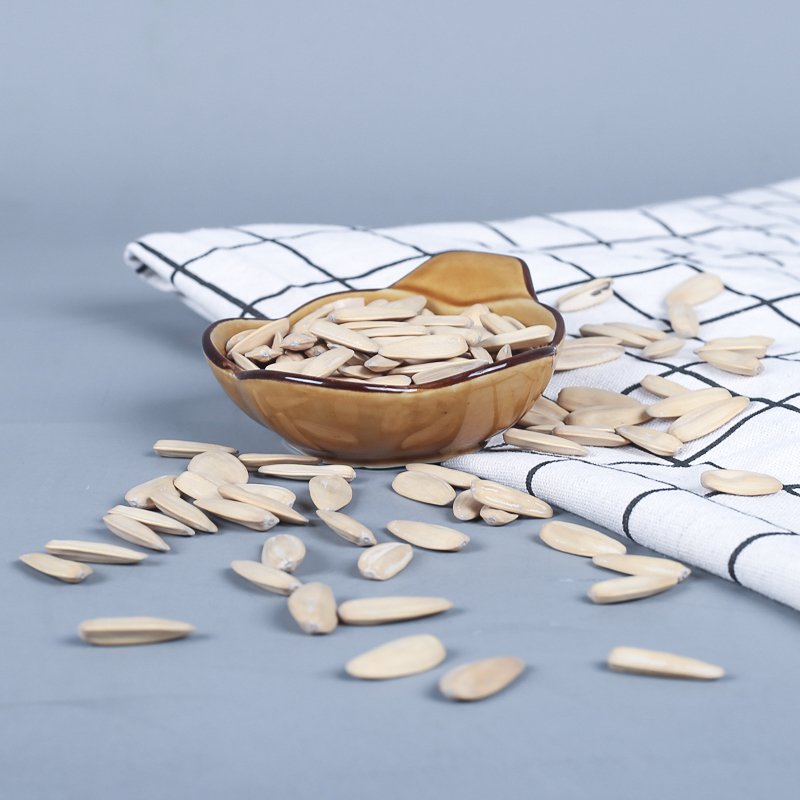
Sunflower seeds exhibit a complex material structure comprised of the kernel (cotyledon), hull (pericarp), and embryo. The kernel’s oil content, ranging from 40-55% depending on the variety, significantly impacts its processing characteristics. The hull, composed primarily of cellulose and lignin, provides physical protection during growth and transportation but requires removal for most consumption applications. Manufacturing begins with harvesting, followed by drying to achieve a moisture content typically between 8-10%. This drying process, often employing forced-air systems, is critical to prevent fungal growth and mycotoxin production. Subsequent steps involve cleaning to remove debris (stalks, leaves, stones), sizing to standardize seed dimensions, and de-hulling, which can be achieved mechanically via impact or friction. De-hulling efficiency is a key performance indicator, directly influencing waste generation and processing costs. The hulling process generates fines (broken seed pieces and hull fragments) which are often repurposed as animal feed or for oil extraction. Precise control of impact force, abrasion speed, and screen size during de-hulling is crucial to minimize kernel damage. Seed polishing removes residual hull fragments, enhancing the visual appeal of the final product. Finally, optical sorting is frequently employed to remove discolored or damaged seeds, ensuring a consistent, high-quality output. The thermal properties of the seeds are also important. Heat generated during mechanical processing can impact oil quality, potentially leading to oxidation and rancidity.
Performance & Engineering
The performance of sunflower seed processing equipment hinges on several engineering principles. Force analysis is critical in designing de-hulling machinery; excessive force leads to kernel breakage, while insufficient force results in incomplete hull removal. The impact energy must be optimized based on seed variety and moisture content. Environmental resistance, particularly humidity control, is crucial for maintaining seed quality throughout the processing chain. High humidity accelerates mold growth and degrades oil quality. Therefore, enclosed processing systems with controlled humidity levels are essential. Compliance requirements, as dictated by food safety regulations (detailed in the footer), necessitate adherence to strict hygiene protocols and the implementation of Hazard Analysis and Critical Control Points (HACCP) plans. Functional implementation relies on robust automation and monitoring systems. Continuous monitoring of moisture content, seed temperature, and impurity levels is vital for process control. Furthermore, the design of conveying systems must minimize seed damage and prevent segregation of different seed sizes. The selection of appropriate materials of construction (stainless steel is commonly employed) is paramount to prevent corrosion and ensure food-grade hygiene. Wear resistance of equipment components, particularly in de-hulling and polishing stages, is also an important engineering consideration, influencing maintenance schedules and overall operational costs.
Technical Specifications
| Parameter | Unit | Specification (Typical Range) | Testing Method |
|---|---|---|---|
| Oil Content | % (dry weight basis) | 40-55 | Soxhlet Extraction (AOCS Official Method) |
| Moisture Content | % | 8-10 | Oven Drying (AACC Method 913.01) |
| Kernel Soundness (%) | % | >95 | Visual Inspection & Mechanical Sorting |
| Hull Content (%) | % | <3 (for in-shell seeds), <1 (for hulled seeds) | Differential Weighing & Sieving |
| Foreign Matter (%) | % | <0.5 | Visual Inspection & Manual Sorting |
| Free Fatty Acid (FFA) | % (oleic acid basis) | <0.5 | Titration (AOCS Official Method) |
Failure Mode & Maintenance
Sunflower seeds, and processing equipment, are susceptible to several failure modes. Kernel cracking during de-hulling, often resulting from excessive impact force or improper machine settings, leads to product loss and increased fines generation. Delamination, or separation of the kernel from the hull, indicates improper drying or excessive moisture content. Degradation of oil quality, manifested as rancidity, is caused by oxidation due to exposure to air, light, and elevated temperatures. Mycotoxin contamination, particularly from Aspergillus species, is a significant safety concern, typically occurring during improper storage or insufficient drying. Oxidation of the seed coat can occur during prolonged storage, leading to discoloration and reduced market value. From a maintenance perspective, regular inspection and lubrication of de-hulling machinery are crucial to prevent bearing failure and reduce friction. Cleaning of air ducts and dust collection systems is essential to prevent fire hazards and maintain optimal airflow. Optical sorters require periodic calibration to ensure accurate defect detection. Regular sanitation of all processing surfaces is paramount to prevent microbial contamination. Implementing a preventative maintenance schedule, based on operational hours and equipment usage, is essential for maximizing uptime and minimizing unscheduled repairs.
Industry FAQ
Q: What are the primary causes of aflatoxin contamination in sunflower seeds and how can it be effectively mitigated?
A: Aflatoxin contamination is primarily caused by Aspergillus flavus and Aspergillus parasiticus fungi, which thrive in warm, humid conditions and on damaged kernels. Mitigation strategies include ensuring rapid and thorough drying post-harvest to maintain moisture content below 10%, implementing robust cleaning procedures to remove damaged or broken seeds, utilizing storage facilities with proper ventilation and temperature control, and applying preventative antifungal treatments where permissible by regulations.
Q: How does seed variety influence the optimal de-hulling parameters?
A: Seed variety significantly impacts hull tightness and kernel strength. Varieties with thicker hulls require higher impact forces during de-hulling, but this can also increase the risk of kernel damage. Smaller seed varieties often require finer adjustments to screen sizes and abrasion speeds. Therefore, de-hulling parameters must be tailored to each specific seed variety to maximize hull removal efficiency while minimizing kernel breakage.
Q: What are the key considerations when selecting materials of construction for processing equipment handling sunflower seeds?
A: Stainless steel (grades 304 and 316) is the preferred material due to its corrosion resistance, hygienic properties, and durability. However, abrasion-resistant alloys may be necessary for components exposed to high friction, such as de-hulling rotors and polishing drums. Materials must be food-grade compliant and non-reactive with the seed’s oil content.
Q: What role does optical sorting play in maintaining quality consistency, and what types of defects can it effectively identify?
A: Optical sorting is crucial for removing defects that affect appearance, size, and quality. It effectively identifies discolored seeds, foreign materials (stones, wood fragments), partially hulled seeds, and broken kernels. Advanced optical sorters utilize color, shape, and size analysis to ensure a highly consistent product output.
Q: What are the critical control points in a HACCP plan for sunflower seed processing?
A: Critical control points typically include drying (to control moisture content and prevent mold growth), de-hulling (to minimize kernel damage), cleaning (to remove foreign materials), and storage (to maintain product integrity). Regular monitoring of these points, coupled with corrective actions when deviations occur, is essential for ensuring food safety.
Conclusion
The successful manufacturing of bulk sunflower seeds for direct consumption demands a comprehensive understanding of material science, engineering principles, and quality control procedures. From optimizing drying parameters to meticulously controlling de-hulling forces, each stage of the process requires precise attention to detail. Maintaining low moisture content and preventing kernel damage are fundamental to ensuring product safety and maximizing oil quality.
Furthermore, adherence to stringent hygiene standards and robust HACCP plans is non-negotiable for meeting international food safety regulations. Continuous improvement through data analysis and process optimization will be key to enhancing efficiency, reducing waste, and delivering a consistently high-quality product to the market. The future of sunflower seed processing lies in adopting advanced automation, leveraging real-time monitoring systems, and embracing sustainable practices.
