Introduction
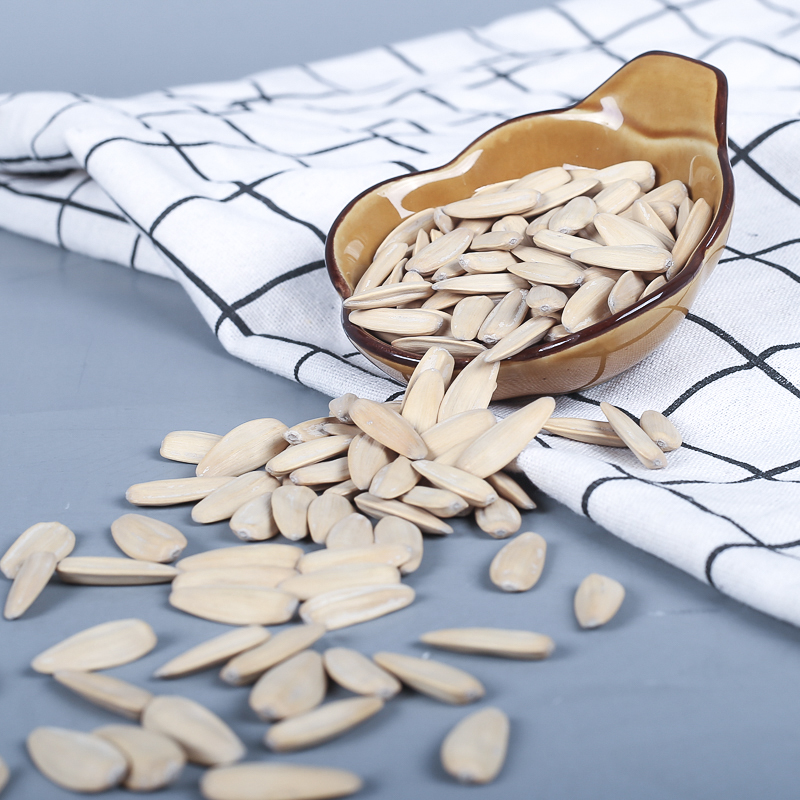
Bulk sunflower seeds for direct consumption represent a significant segment of the global seed market, serving a diverse consumer base ranging from snack food manufacturers to retail packaging operations. This technical guide addresses the critical parameters governing the quality, safety, and processing of bulk sunflower seeds, focusing on aspects relevant to factories involved in preparing seeds for human consumption. Sunflower seeds ( Helianthus annuus ) are valued for their nutritional content – rich in unsaturated fats, protein, vitamins (especially Vitamin E), and minerals. The industry faces key challenges including maintaining seed viability during storage, minimizing the presence of aflatoxins and other contaminants, ensuring consistent kernel size and oil content for efficient processing, and adhering to stringent food safety regulations. This guide provides an in-depth exploration of material science, manufacturing processes, performance characteristics, potential failure modes, and relevant industry standards to optimize operational efficiency and product quality within bulk sunflower seed processing facilities.
Material Science & Manufacturing
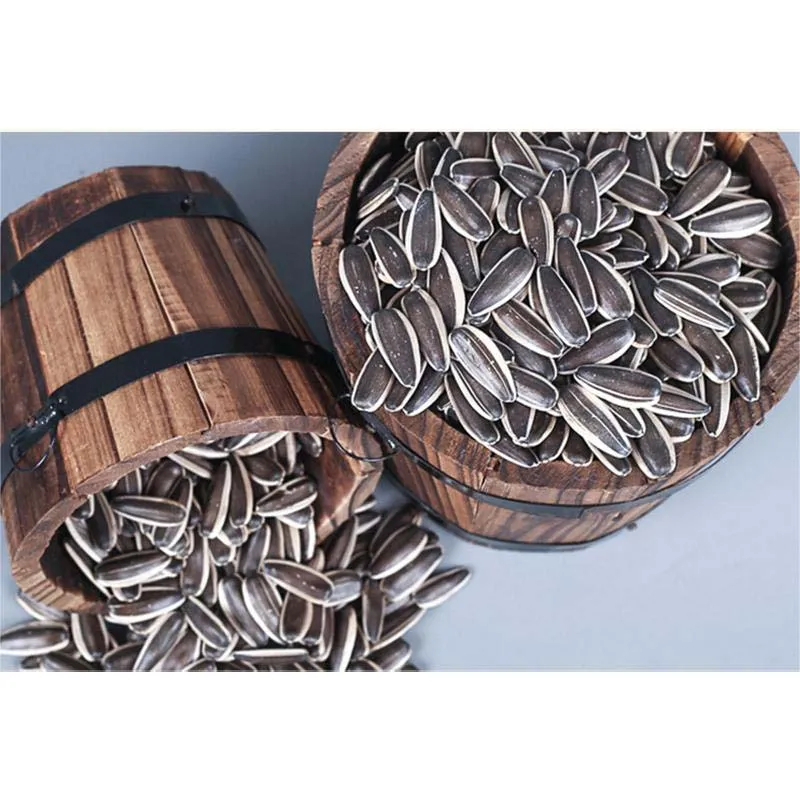
Sunflower seeds consist of three primary components: the hull (pericarp), the kernel (cotyledon), and the embryo. The hull, typically 30-50% of the seed weight, is composed primarily of cellulose and lignin, providing a protective barrier. The kernel, the edible portion, is rich in oil (40-55%) – predominantly linoleic acid – and protein (20-25%). Manufacturing begins with harvesting, typically employing combine harvesters. Key parameters during harvest include minimizing mechanical damage to the kernel, which can lead to oil oxidation and reduced viability. Post-harvest, seeds undergo cleaning to remove debris (stalks, leaves, soil). This is achieved using a combination of screens, aspirators, and gravity separators. Drying is crucial to reduce moisture content to 8-10% for safe storage, typically employing fluidized bed dryers or rotary drum dryers. Temperature control during drying is vital; exceeding 45°C can denature proteins and degrade oil quality. Hulling, the removal of the outer shell, is performed mechanically, often using abrasive methods. Hulling efficiency is dependent on seed moisture content and hull thickness. Kernel grading separates seeds by size and density, utilizing screens and air separators. Optical sorting technologies are increasingly employed to remove discolored or damaged kernels. Chemical composition is significantly impacted by cultivar (genetic variety), growing conditions (soil type, climate), and post-harvest handling. Aflatoxin contamination, a serious food safety concern, is mitigated through proper drying, storage, and the application of agricultural best practices.
Performance & Engineering
The performance of bulk sunflower seeds is critically linked to their physical and chemical properties. Kernel hardness, measured using a penetrometer, dictates hulling efficiency and susceptibility to cracking during processing. Oil content, determined via Soxhlet extraction or NMR spectroscopy, directly influences caloric value and processing yield. Moisture content, monitored using a moisture analyzer, is paramount for storage stability and preventing microbial growth. A key engineering challenge is designing efficient drying systems that minimize thermal damage. Computational Fluid Dynamics (CFD) modeling is often used to optimize airflow patterns within dryers. Storage facilities require careful engineering to control temperature, humidity, and aeration. Silos are designed with ventilation systems to prevent localized heating and moisture build-up. Force analysis during hulling operations is crucial to minimize kernel damage. Impact forces are minimized through careful control of abrasive surface characteristics and processing speeds. Environmental resistance, specifically to insect infestation and mold growth, is addressed through the use of controlled atmosphere storage (reducing oxygen levels) and the application of food-grade protectants. Compliance with food safety regulations (FDA, EFSA) necessitates robust quality control procedures, including regular testing for aflatoxins, pesticide residues, and heavy metals. Particle size distribution after hulling impacts subsequent processing steps such as roasting and seasoning.
Technical Specifications
| Parameter | Unit | Typical Range | Test Method |
|---|---|---|---|
| Kernel Moisture Content | % | 8-10 | AOAC 925.10 |
| Oil Content (Dry Basis) | % | 40-55 | Soxhlet Extraction (AOAC 920.85) |
| Kernel Hardness | N | 10-30 | Penetrometer (ASTM D4888 - adapted) |
| Aflatoxin B1 | ppb | <20 | ELISA or HPLC (AOAC 999.07) |
| Kernel Size (Average Diameter) | mm | 8-12 | Sieve Analysis (ASTM E11) |
| Hull Content | % | <5 (for hulled seeds) | Visual Inspection/Weight Loss |
Failure Mode & Maintenance
Failure modes in bulk sunflower seed processing can manifest at various stages. Kernel cracking during hulling is a common issue, often stemming from excessive impact forces or improper moisture content. Oil rancidity, caused by lipid oxidation, is accelerated by high temperatures, exposure to oxygen, and the presence of metal contaminants. Aflatoxin contamination represents a critical failure mode, necessitating preventative measures and rigorous testing. Equipment failure in drying and storage systems (e.g., fan malfunction, silo leaks) can lead to moisture build-up and spoilage. Preventive maintenance is crucial. Drying equipment should be inspected regularly for temperature sensor calibration and airflow obstructions. Silo ventilation systems must be checked for proper operation and dust accumulation. Hulling machines require periodic replacement of abrasive surfaces and adjustment of impact settings. Kernel sorting equipment needs calibration of optical sensors and cleaning of conveyor systems. Storage facilities should be routinely inspected for pest infestations and structural damage. A robust quality control program, including regular sampling and analysis, is essential to detect and address potential issues before they escalate. Record keeping of processing parameters (temperature, humidity, drying time, hulling settings) facilitates troubleshooting and process optimization. Implementing a First-In, First-Out (FIFO) inventory management system minimizes storage time and reduces the risk of spoilage.
Industry FAQ
Q: What is the optimal moisture content for long-term storage of sunflower seeds?
A: The optimal moisture content for long-term storage is between 8-10%. Below 8%, seeds can become brittle and prone to cracking. Above 10%, there's an increased risk of mold growth and aflatoxin contamination. Accurate monitoring with a calibrated moisture analyzer is critical.
Q: How can we minimize aflatoxin contamination in bulk sunflower seeds?
A: Minimizing aflatoxin requires a multi-faceted approach: proper drying to reduce moisture content, prompt removal of broken kernels and foreign material, effective silo ventilation, and regular testing for aflatoxin levels. Agricultural practices, such as using resistant cultivars and controlling insect pests, are also important.
Q: What type of hulling equipment is most suitable for large-scale operations?
A: Centrifugal hullers are generally preferred for large-scale operations due to their high throughput and relatively low kernel damage. However, proper adjustment of the hulling parameters (feed rate, abrasive surface characteristics) is essential to optimize performance.
Q: How do you determine the oil content of sunflower seeds accurately?
A: Soxhlet extraction, as outlined in AOAC 920.85, is considered the gold standard for determining oil content. However, Near-Infrared (NIR) spectroscopy offers a rapid and non-destructive alternative, although it requires calibration against Soxhlet extraction results.
Q: What are the key considerations for designing a sunflower seed storage facility?
A: Key considerations include temperature control, humidity control, ventilation to prevent moisture build-up, pest control, and protection from physical damage. Silos should be constructed from materials that do not react with the seeds and are easy to clean. A well-designed aeration system is crucial for maintaining seed quality during long-term storage.
Conclusion
The successful processing of bulk sunflower seeds for direct consumption hinges on a thorough understanding of the material science, manufacturing processes, and potential failure modes. Maintaining optimal moisture content, minimizing mechanical damage, and rigorously controlling for aflatoxin contamination are paramount for ensuring product quality and safety. Implementing robust quality control procedures, coupled with preventative maintenance of processing equipment and storage facilities, is essential for optimizing operational efficiency and minimizing losses.
Future advancements in sunflower seed processing will likely focus on improving hulling efficiency, enhancing aflatoxin detection technologies, and developing more sustainable storage solutions. The integration of advanced sensor technologies and data analytics will enable real-time monitoring and optimization of key process parameters, further enhancing product quality and reducing waste. Adherence to international standards and continuous improvement initiatives will be crucial for remaining competitive in the global sunflower seed market.
