Introduction
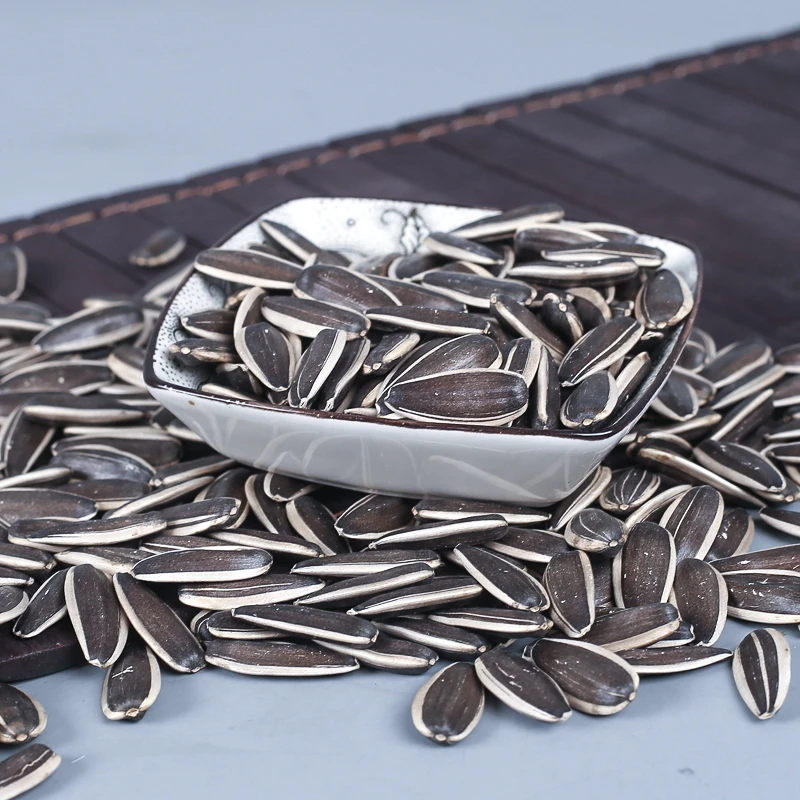
Bulk sunflower seeds for direct consumption represent a significant commodity within the global agricultural market. This technical guide provides an in-depth analysis of sunflower seed characteristics relevant to exporters, encompassing aspects of seed quality, processing, storage, and international trade standards. Sunflower seeds ( Helianthus annuus) are valued for their nutritional content – particularly healthy fats, protein, and Vitamin E – and are consumed globally as a snack food. The export market demands a thorough understanding of seed grading, oil content, moisture levels, and potential contaminants to ensure product compliance and maintain buyer confidence. This guide details the critical parameters influencing commercial viability and addresses common pain points faced by exporters concerning quality control, preservation, and regulatory adherence. The industry faces challenges in maintaining consistent quality due to variations in growing conditions, harvest practices, and post-harvest handling. Furthermore, stringent food safety regulations in importing countries necessitate meticulous attention to detail throughout the entire supply chain.
Material Science & Manufacturing
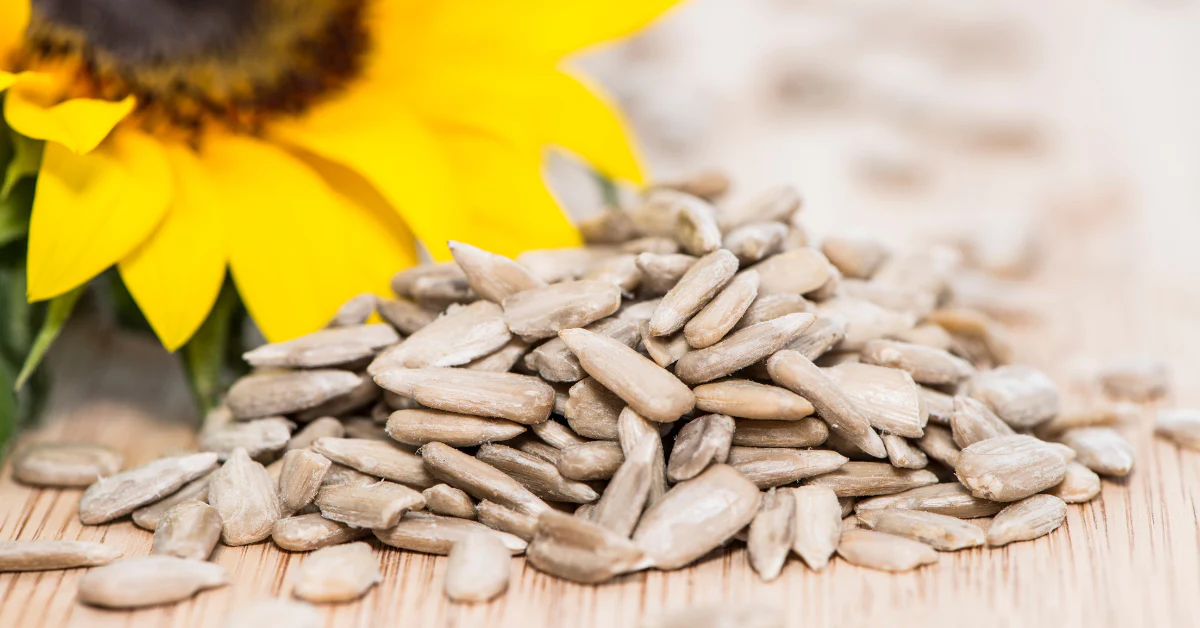
Sunflower seeds are primarily composed of three key components: the kernel (the edible portion), the hull (the outer shell), and the embryo. The kernel comprises approximately 50-60% oil, 20-30% protein, and 10-15% carbohydrates. The hull consists largely of cellulose and lignin, providing structural integrity. The oil composition is dominated by linoleic acid (around 60-70%), an essential omega-6 fatty acid, with varying amounts of oleic acid. Manufacturing for export begins with agricultural practices impacting seed quality. Seed variety influences oil content, kernel size, and hull thickness. Growing conditions—soil composition, rainfall, and temperature—significantly impact seed maturity and overall yield. Harvesting timing is critical; premature harvest results in low oil content, while delayed harvest increases the risk of pre-germination and seed deterioration. Post-harvest processing involves cleaning (removal of debris and foreign matter), drying (reduction of moisture content to prevent fungal growth), dehulling (optional, depending on market preference), grading (categorization based on kernel size and quality), and packaging. Drying is crucial; optimal moisture content for long-term storage is around 8-9%. Dehulling improves palatability but can also reduce nutritional value if the hull contains beneficial compounds. Parameter control during drying (temperature and airflow) is essential to avoid heat damage to the oil, leading to rancidity. Dehulling process parameters like impact force and attrition rate need to be precisely controlled to minimize kernel breakage.
Performance & Engineering
The performance of sunflower seeds, from a logistical and engineering perspective, revolves around bulk material handling, storage stability, and resistance to degradation. The angle of repose, a critical parameter in bulk solids handling, influences the design of storage silos and conveying systems. Sunflower seeds typically exhibit an angle of repose between 30-40 degrees. Compressive strength of the seeds is relevant for packaging; excessive compression can lead to kernel damage and oil leakage. Environmental resistance focuses on minimizing moisture absorption and preventing oxidative degradation. Exposure to high humidity promotes fungal growth and aflatoxin contamination, a significant food safety concern. Oxidation of unsaturated fatty acids leads to rancidity, impacting flavor and nutritional value. Packaging materials must provide a barrier against moisture, oxygen, and light. Compliant packaging must also meet food-grade standards and be suitable for international shipping. Force analysis during transport is essential to assess the impact of vibrations and shocks on seed integrity. Drop tests and vibration simulations help determine the optimal packaging design to minimize kernel breakage and maintain quality throughout the supply chain. Compliance requirements are dictated by importing country regulations, including maximum permissible levels of aflatoxins, pesticide residues, and heavy metals.
Technical Specifications
| Parameter | Unit | Standard Grade A | Standard Grade B |
|---|---|---|---|
| Kernel Oil Content | % | ≥ 48.0 | ≥ 40.0 |
| Kernel Moisture Content | % | ≤ 9.0 | ≤ 10.0 |
| Foreign Matter | % | ≤ 1.0 | ≤ 2.0 |
| Damaged Kernels | % | ≤ 3.0 | ≤ 5.0 |
| Aflatoxin Level (B1, B2, G1, G2) | ppb | ≤ 5 | ≤ 10 |
| Kernel Size (Screen Size) | mm | ≥ 10mm (80% passing) | ≥ 8mm (80% passing) |
Failure Mode & Maintenance
Sunflower seed deterioration can manifest in several failure modes. Lipid Oxidation (Rancidity): Unsaturated fatty acids in the kernel oil are susceptible to oxidation, leading to off-flavors and reduced nutritional value. This is accelerated by exposure to oxygen, light, and elevated temperatures. Mitigation involves packaging in oxygen-barrier materials and controlled temperature storage. Fungal Contamination & Aflatoxin Production: Aspergillus species can contaminate seeds during storage, producing aflatoxins, potent carcinogens. Proper drying, storage hygiene, and the use of antifungal treatments are essential preventative measures. Mechanical Damage (Kernel Breakage): Occurs during harvesting, processing, and transportation. Damaged kernels are more vulnerable to oxidation and fungal attack. Gentle handling practices and appropriate packaging are crucial. Insect Infestation: Stored-product insects can damage kernels and introduce contaminants. Maintaining a clean storage environment, using insect traps, and applying approved insecticides (where permissible) are necessary. Loss of Germination Viability: Although primarily a concern for seed used for planting, prolonged storage can reduce germination rates. This affects the market value of seeds intended for multiple applications. Maintenance involves regular monitoring of seed quality parameters (moisture content, oil content, aflatoxin levels) and implementing corrective actions when necessary. First-In, First-Out (FIFO) stock rotation is crucial to minimize storage duration and prevent deterioration. Controlled atmosphere storage (reducing oxygen levels) can extend shelf life.
Industry FAQ
Q: What are the critical aflatoxin regulations for exporting sunflower seeds to the European Union?
A: The European Union has stringent aflatoxin regulations. Regulation (EC) No 1881/2006 sets maximum levels for total aflatoxins at 2 ppb for edible seeds. Frequent testing and adherence to Good Agricultural Practices (GAP) are essential to comply with these standards. Non-compliance can result in shipment rejection and potential legal penalties.
Q: How does the moisture content of sunflower seeds impact long-term storage stability?
A: Moisture content is arguably the most critical factor affecting storage stability. Above 9%, the risk of fungal growth and aflatoxin production increases exponentially. Maintaining a moisture content of 8-9% through proper drying and hermetic storage is paramount for preserving seed quality.
Q: What is the significance of kernel size and screen size in sunflower seed grading?
A: Kernel size and screen size are important indicators of seed quality and maturity. Larger kernels generally have higher oil content. Screen size standards define the percentage of kernels that must pass through specific sieves. These specifications are used to categorize seeds into different grades, impacting market price.
Q: How can we minimize mechanical damage (kernel breakage) during bulk handling and transportation?
A: Minimizing mechanical damage requires a multi-faceted approach. Implementing gentle handling practices during harvesting and processing is essential. Using appropriate conveying systems (e.g., belt conveyors instead of augers), optimizing packaging to cushion the seeds, and securing cargo during transportation to minimize vibrations and shocks are all critical steps.
Q: What packaging materials are best suited for maintaining sunflower seed quality during international shipping?
A: Packaging materials should provide a barrier against moisture, oxygen, light, and physical damage. Multi-layer polypropylene (PP) woven bags with a polyethylene (PE) liner are commonly used. The PE liner provides a moisture barrier, while the PP woven fabric offers strength and durability. Oxygen-barrier films or vacuum packaging can further enhance preservation. Consider adding desiccant packs to absorb any residual moisture.
Conclusion
The successful export of bulk sunflower seeds hinges on a comprehensive understanding of the interplay between agricultural practices, material science, and rigorous quality control. Maintaining optimal moisture content, preventing aflatoxin contamination, and minimizing mechanical damage are paramount for ensuring product integrity and meeting international regulatory standards. Exporters must prioritize investment in appropriate drying and storage infrastructure, implement robust quality assurance protocols, and stay abreast of evolving import regulations.
Looking forward, advancements in seed breeding focused on increased oil content and improved disease resistance will further enhance the competitiveness of sunflower seeds in the global market. The adoption of blockchain technology for traceability and supply chain management can provide buyers with greater confidence in product origin and quality. Continuous research and development are essential for addressing emerging challenges and maximizing the value of this vital agricultural commodity.
