Introduction
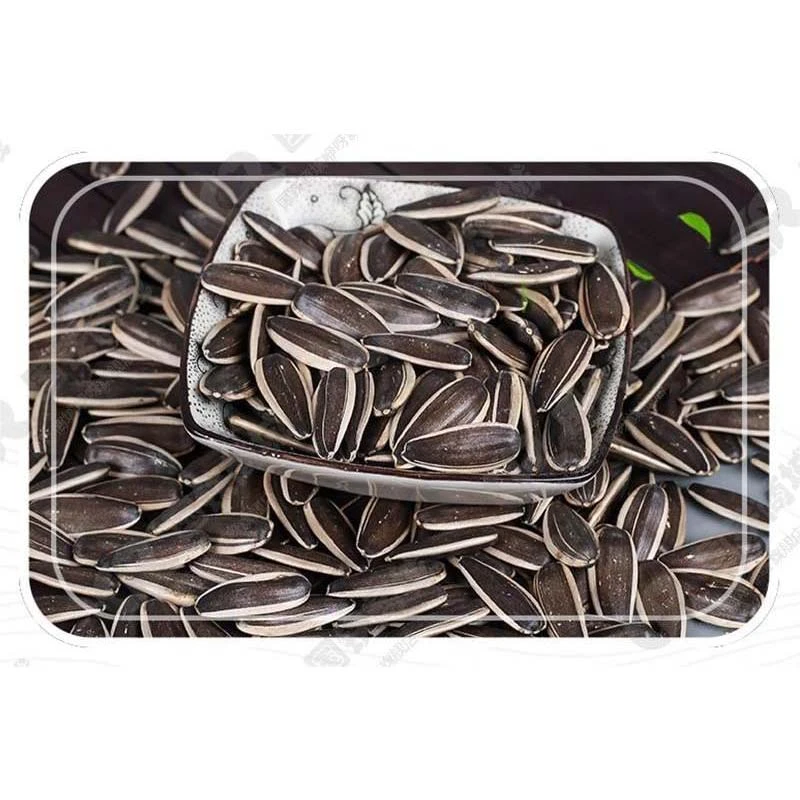
Bulk sunflower seeds, Helianthus annuus, represent a significant commodity in the global food market, positioned primarily as a direct consumption snack food and a vital component in confectionary applications. The export of these seeds, categorized by kernel size, oil content, and foreign material presence, demands adherence to stringent quality control and international trade standards. This technical guide details the material science, manufacturing processes, performance characteristics, potential failure modes, and associated maintenance protocols applicable to the bulk sunflower seed export industry. Core performance metrics center around seed viability, moisture content, oil yield (for processing grades), and freedom from contaminants like ochratoxin A. A major pain point for exporters is maintaining consistent quality across large volumes, mitigating risks of mycotoxin contamination during storage and transport, and complying with increasingly complex import regulations concerning pesticide residues and genetically modified organisms (GMOs).
Material Science & Manufacturing
Sunflower seeds consist primarily of an oil-rich kernel (40-50% oil content, varying by cultivar) encased within a hull or husk. The hull’s composition is predominantly cellulose and lignin, providing structural rigidity. Kernel composition includes proteins (20-25%), carbohydrates (15-20%), and essential fatty acids (linoleic acid being dominant). Manufacturing begins with cultivar selection optimizing for kernel size, oil content, and disease resistance. Harvesting typically occurs when seed moisture content reaches 10-12%. Post-harvest processing involves drying to 8-9% moisture content to inhibit mold growth. Cleaning utilizes a combination of screening, aspiration, and gravity separation to remove foreign material (stalks, leaves, stones). Hulling, performed either mechanically or chemically (less common due to residue concerns), separates the kernel from the hull. Seed sizing and grading are crucial. Optical sorting technology is increasingly employed to identify and remove discolored or damaged seeds. Parameter control during drying is critical; excessive temperatures can denature proteins and reduce oil quality. Hulling pressure must be optimized to minimize kernel damage. Quality control at each stage necessitates regular moisture content assessments using electronic moisture meters and analysis of oil content via Soxhlet extraction or near-infrared (NIR) spectroscopy. Storage environments require temperature and humidity control to prevent lipid oxidation and mycotoxin formation.
Performance & Engineering
Sunflower seed performance is assessed through several engineering considerations. Impact resistance is vital during handling and transport, influencing kernel breakage rates. The shell provides a degree of physical protection, but the kernel itself is susceptible to cracking under stress. Moisture content significantly influences handling characteristics; high moisture increases friction and clumping. Environmental resistance focuses on preventing degradation from light, oxygen, and temperature fluctuations, all of which contribute to lipid oxidation and rancidity. Compliance requirements depend on the importing country, encompassing regulations regarding pesticide residues (e.g., Maximum Residue Limits - MRLs), mycotoxin levels (Ochratoxin A being paramount), and GMO labeling requirements (if applicable). Functional implementation relates to the intended end-use – snack food versus oilseed processing. Snack food grades require consistent kernel size and flavor profile. Oilseed grades prioritize oil yield and low levels of free fatty acids. Force analysis during hulling optimizes pressure to maximize kernel recovery while minimizing damage. Packaging materials must provide a barrier against moisture and oxygen, maintaining seed quality during prolonged storage and shipment. Statistical process control (SPC) is essential to monitor and maintain consistent product quality.
Technical Specifications
| Parameter | Unit | Typical Value (Snack Grade) | Typical Value (Oilseed Grade) |
|---|---|---|---|
| Moisture Content | % | 8.0 - 9.0 | 7.5 - 8.5 |
| Kernel Size (Diameter) | mm | 12 - 16 | 10 - 14 |
| Oil Content (Dry Basis) | % | 48 - 52 | 50 - 58 |
| Foreign Material | % | <0.5 | <1.0 |
| Broken Kernels | % | <3.0 | <5.0 |
| Ochratoxin A | ppb | <5 | <5 |
Failure Mode & Maintenance
Failure modes in bulk sunflower seed exports primarily stem from biological degradation, physical damage, and chemical alterations. Mold growth, leading to mycotoxin contamination (particularly Ochratoxin A), is a major concern, exacerbated by high moisture content and inadequate storage conditions. Lipid oxidation results in rancidity, decreasing palatability and nutritional value. Kernel cracking during handling and transport reduces marketability. Insect infestation can lead to seed loss and contamination. Maintenance protocols involve stringent moisture control throughout the supply chain. Proper ventilation in storage facilities is critical to prevent condensation and mold growth. Regular monitoring of temperature and humidity is essential. Integrated pest management (IPM) strategies should be employed to minimize insect infestations. Packaging materials should provide a robust barrier against moisture, oxygen, and pests. Periodic laboratory analysis for mycotoxin levels and oil quality is recommended. Hulling equipment requires regular inspection and maintenance to minimize kernel damage. Traceability systems are crucial to identify the source of contaminated batches and implement corrective actions. Proper cleaning and sanitation of processing equipment prevent cross-contamination.
Industry FAQ
Q: What are the key differences between snack grade and oilseed grade sunflower seeds impacting export pricing?
A: Snack grade seeds command a premium due to stricter requirements for kernel size consistency, minimal breakage, and superior appearance. They undergo more rigorous sorting and cleaning processes. Oilseed grade seeds prioritize oil yield and may tolerate higher levels of minor defects. The added processing costs for snack grade seeds, along with the lower volume available due to stricter grading, drive up the price.
Q: How does the presence of GMO sunflower varieties affect export regulations?
A: Many importing countries have stringent regulations regarding GMOs, including mandatory labeling requirements or outright bans. Exporters must verify the GMO status of their seeds through testing and documentation. Compliance with destination country regulations is crucial to avoid rejection of shipments.
Q: What temperature and humidity levels are optimal for long-term sunflower seed storage?
A: Optimal storage conditions are a temperature of 10-15°C (50-59°F) and a relative humidity of 60-65%. Maintaining these conditions minimizes lipid oxidation, mold growth, and insect activity. Regular monitoring and control are essential.
Q: What analytical methods are used to detect Ochratoxin A contamination?
A: Ochratoxin A is typically detected using Enzyme-Linked Immunosorbent Assay (ELISA) and High-Performance Liquid Chromatography with Fluorescence Detection (HPLC-FLD). ELISA offers rapid screening, while HPLC-FLD provides more accurate quantification.
Q: What packaging materials are recommended to maintain seed quality during extended ocean freight?
A: Multi-layer packaging incorporating a moisture barrier (e.g., polyethylene) and an oxygen barrier (e.g., metallized polyester) is recommended. Bags should be securely sealed and palletized to prevent damage during transport. Consider using desiccants within the packaging to further control humidity.
Conclusion
The successful export of bulk sunflower seeds hinges upon a comprehensive understanding of the seed's material properties, meticulous manufacturing processes, and strict adherence to international quality and safety standards. Maintaining optimal moisture content, implementing effective pest management strategies, and rigorous quality control at each stage of the supply chain are paramount to preventing degradation and ensuring product integrity.
Future trends will likely focus on advancements in optical sorting technology, the development of more sustainable packaging materials, and the increasing demand for traceability systems to enhance food safety and consumer confidence. Continuous monitoring of evolving import regulations and proactive adaptation to changing market demands are critical for sustained success in the competitive global sunflower seed market.
