Introduction
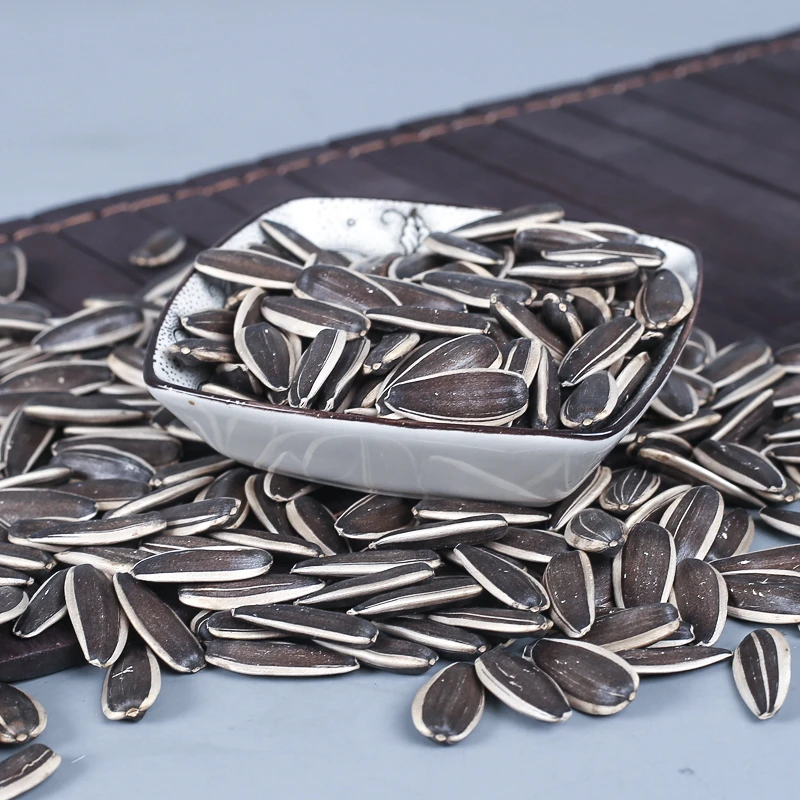
Bulk sunflower seeds for eating represent a significant commodity within the global food supply chain, falling primarily within the oilseed and snack food sectors. Their technical position is defined by several key characteristics: kernel size, oil content, protein concentration, and the presence of hull. The industry chain extends from agricultural production and harvesting through post-harvest processing (drying, dehulling, grading), and ultimately to packaging and distribution for consumer or industrial application. Core performance metrics are centered on consistent kernel quality, minimizing foreign material, adherence to food safety regulations, and maintaining optimal storage stability to prevent rancidity and aflatoxin contamination. Understanding these parameters is crucial for suppliers aiming to meet the demands of both direct consumers and food manufacturers utilizing sunflower seeds as a key ingredient.
Material Science & Manufacturing
Sunflower seeds ( Helianthus annuus) are biologically complex structures. The kernel consists of approximately 35-55% oil, 20-30% protein, 10-20% carbohydrate (primarily starch), and 5-10% fiber. The oil is rich in linoleic acid (an omega-6 fatty acid) and oleic acid (depending on the cultivar). The hull, composed primarily of cellulose and lignin, provides physical protection but is typically removed for consumption. Manufacturing begins with harvesting when seed moisture content is around 10-15%. Drying to 8-9% moisture is critical to inhibit mold growth and enzymatic activity. This is commonly achieved using forced-air drying systems, meticulously controlling temperature (typically below 60°C to prevent protein denaturation) and airflow. Dehulling, a critical step, utilizes mechanical abrasion or impact methods. Parameter control is vital: excessive force leads to kernel damage (cracking, bruising), while insufficient force results in incomplete hull removal. Grading is performed based on kernel size, shape, color, and the presence of foreign matter (e.g., stems, leaves, stones). Optical sorting technology is increasingly employed for high-precision grading. Further processing may involve coating with seasonings or roasting to enhance flavor and extend shelf life. Coating processes require precise control of adhesion and uniform distribution of flavoring agents. The impact of cultivar (high-oleic vs. linoleic) on oil stability during processing and storage is a key material science consideration.
Performance & Engineering
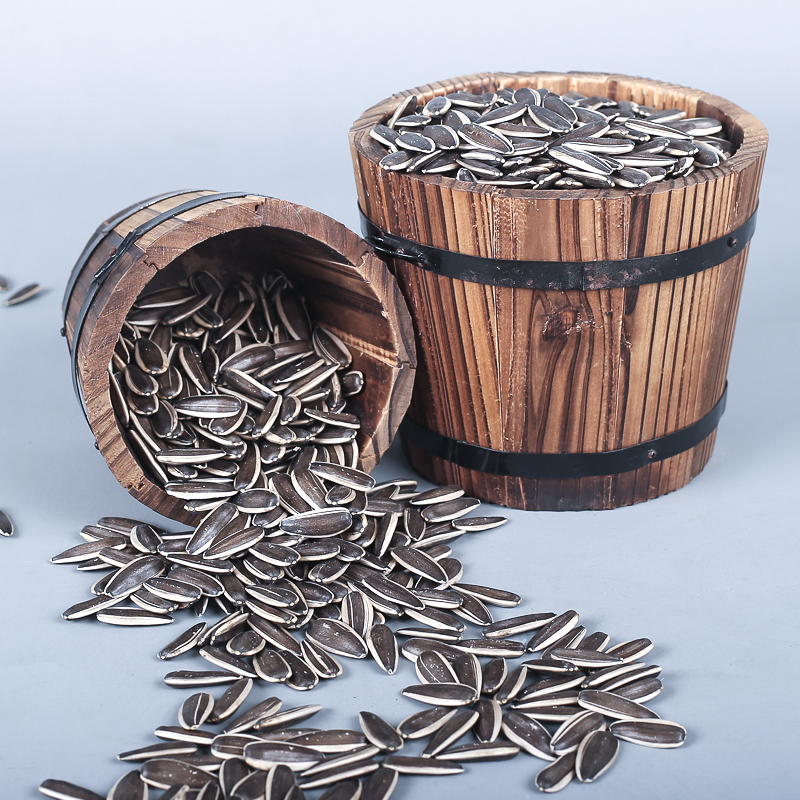
The performance of bulk sunflower seeds is assessed through several engineering principles. Firstly, the structural integrity of the kernel dictates its resistance to cracking during handling and processing. Force analysis is applied to determine the breaking strength of the kernel under compressive and impact loads. Environmental resistance is paramount. Moisture content impacts the rate of lipid oxidation, leading to rancidity. Packaging materials with low oxygen transmission rates (OTR) and moisture vapor transmission rates (WVTR) are essential. Aflatoxin contamination, caused by Aspergillus molds, is a serious concern. Engineering controls focus on minimizing damage to the kernel (which provides entry points for molds) and maintaining low moisture levels. Compliance requirements include adherence to food safety standards set by regulatory bodies (FDA, EFSA). Functional implementation involves optimizing seed size and shape for efficient processing in automated equipment (e.g., sorting, roasting, packaging lines). Kernel hardness, measured using a penetrometer, influences processing parameters. Packaging engineering must consider vibration during transport to minimize kernel breakage and maintain product quality. The use of Modified Atmosphere Packaging (MAP) with nitrogen flushing is increasingly employed to inhibit oxidation and extend shelf life.
Technical Specifications
| Parameter | Unit | Specification (Standard Grade) | Specification (Premium Grade) |
|---|---|---|---|
| Moisture Content | % | ≤ 9.0% | ≤ 8.0% |
| Oil Content (Dry Basis) | % | ≥ 40% | ≥ 45% |
| Kernel Size (Screen Size) | mm | 10/64" (average) | 11/64" – 12/64" (average) |
| Foreign Material | % | ≤ 1.0% | ≤ 0.5% |
| Broken Kernels/Damage | % | ≤ 3.0% | ≤ 1.5% |
| Aflatoxin Level (Total) | ppb | ≤ 20 ppb | ≤ 10 ppb |
Failure Mode & Maintenance
Sunflower seeds are susceptible to several failure modes. Lipid Oxidation is a primary concern, leading to rancidity and off-flavors. This is accelerated by exposure to oxygen, light, and high temperatures. Aflatoxin Contamination occurs when seeds are damaged or stored in high humidity. Mechanical Damage (cracking, bruising) during harvesting, processing, or transport reduces shelf life and increases susceptibility to mold growth. Insect Infestation can lead to significant losses and contamination. Maintenance strategies center on strict quality control throughout the supply chain. Proper drying and storage are critical. Silos and storage facilities should be thoroughly cleaned and sanitized. Regular monitoring of moisture content and temperature is essential. The use of airtight packaging with oxygen absorbers and desiccants helps prevent oxidation and maintain low moisture levels. Preventative pest control measures are vital. For suppliers, maintaining detailed records of processing parameters, storage conditions, and analytical testing results is crucial for traceability and quality assurance. Proper rotation of stock (FIFO – First In, First Out) is recommended to minimize storage time and prevent deterioration.
Industry FAQ
Q: What is the acceptable range for free fatty acid (FFA) content in bulk sunflower seeds and how does it impact oil quality?
A: FFA content is a crucial indicator of oil quality and seed degradation. Generally, an FFA content below 1.0% is considered acceptable for high-quality edible sunflower seeds. Higher FFA levels indicate lipid hydrolysis, meaning the oil is breaking down, resulting in increased acidity and off-flavors. Elevated FFA impacts refining efficiency and ultimately reduces the oil's suitability for food applications. Regular monitoring of FFA levels through laboratory analysis is essential.
Q: What methods are used to mitigate the risk of aflatoxin contamination during storage and transport?
A: Mitigating aflatoxin risk requires a multi-faceted approach. Firstly, minimizing kernel damage during harvest and processing is critical. Proper drying to 8-9% moisture content is essential to inhibit mold growth. Storage facilities must be clean, dry, and well-ventilated. Regular monitoring of seed temperature and humidity is recommended. The application of food-grade fungicides (where permitted by regulations) can provide additional protection. During transport, ensuring proper packaging and minimizing exposure to high temperatures and humidity are crucial.
Q: How does the cultivar of sunflower (high-oleic vs. linoleic) affect storage stability and processing requirements?
A: High-oleic sunflower seeds possess significantly greater storage stability than linoleic varieties due to the higher proportion of monounsaturated fats, which are less susceptible to oxidation. This translates to a longer shelf life and reduced rancidity. Processing requirements are broadly similar, but high-oleic seeds typically require less refining due to their lower levels of polyunsaturated fatty acids.
Q: What are the key considerations for packaging bulk sunflower seeds to ensure optimal shelf life?
A: Packaging must provide a barrier against oxygen, moisture, and light. Multi-layer films with low OTR and WVTR are recommended. Using airtight containers or bags with resealable closures is crucial. Nitrogen flushing prior to sealing can further reduce oxygen levels. Consider using packaging materials that protect against physical damage during handling and transport. Appropriate labeling indicating storage conditions (cool, dry place) is also important.
Q: What are the typical industry standards for determining the percentage of hull in bulk sunflower seeds destined for human consumption?
A: The acceptable hull content varies depending on the final application. For whole kernel seeds intended for snacking, a hull content of ≤ 1-2% is generally desired. For seeds destined for oil extraction, a higher hull content (up to 5-10%) may be acceptable as it doesn't significantly impact oil yield. Hull content is typically determined through sieving and visual inspection, and increasingly with automated optical sorting technology.
Conclusion
Bulk sunflower seeds represent a complex agricultural product demanding stringent quality control throughout the entire supply chain. Understanding the interplay between material science, manufacturing processes, and environmental factors is crucial for suppliers aiming to deliver consistent, high-quality seeds. Key considerations include optimizing drying and dehulling parameters, mitigating aflatoxin risk, and employing appropriate packaging solutions to ensure extended shelf life and preservation of nutritional value.
Future trends point towards increased demand for high-oleic sunflower seeds due to their superior storage stability and health benefits. Advancements in optical sorting technology and predictive modeling will enable more precise quality control and optimization of processing parameters. Furthermore, sustainable agricultural practices and traceability systems will become increasingly important to meet evolving consumer demands and regulatory requirements.
