Introduction
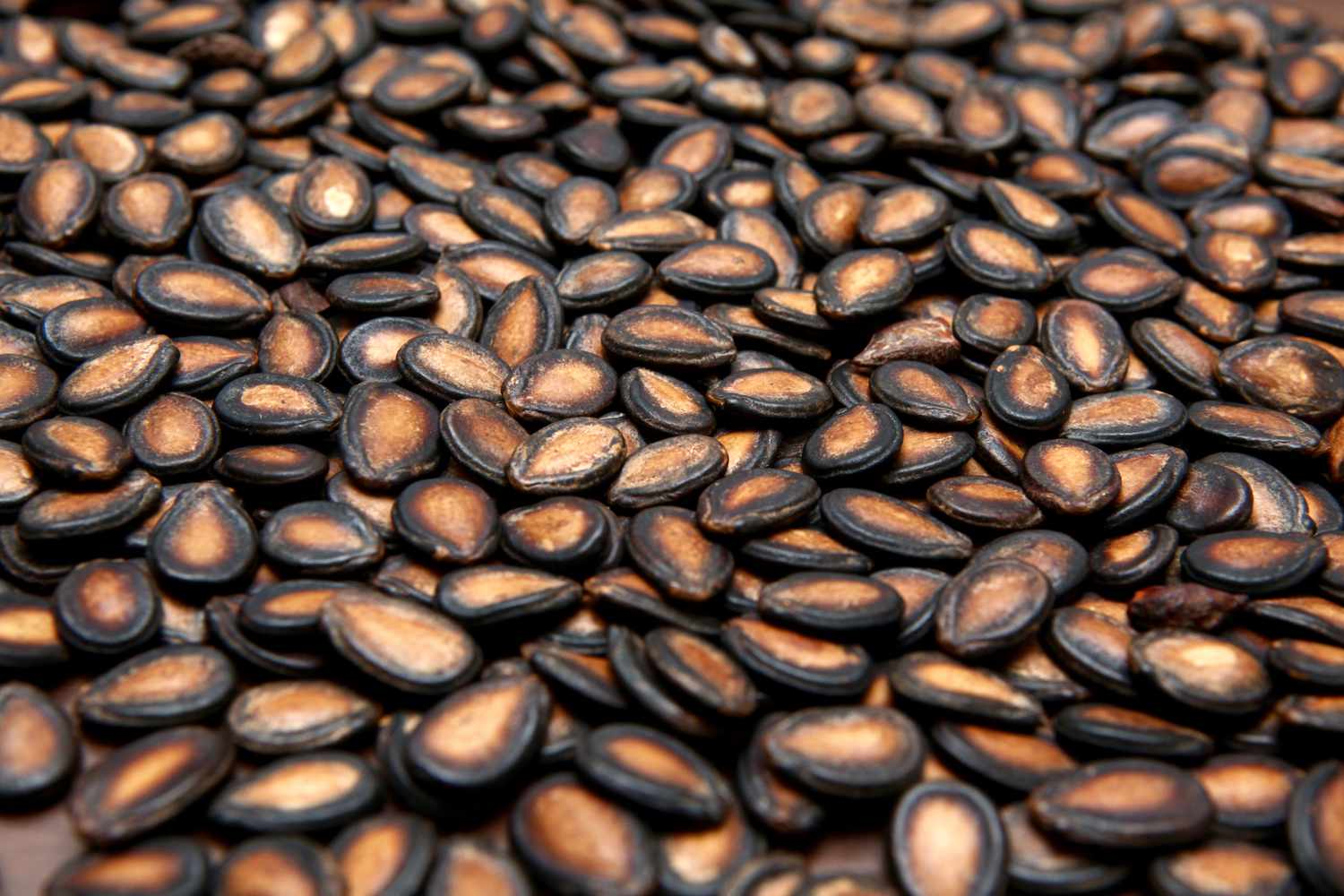
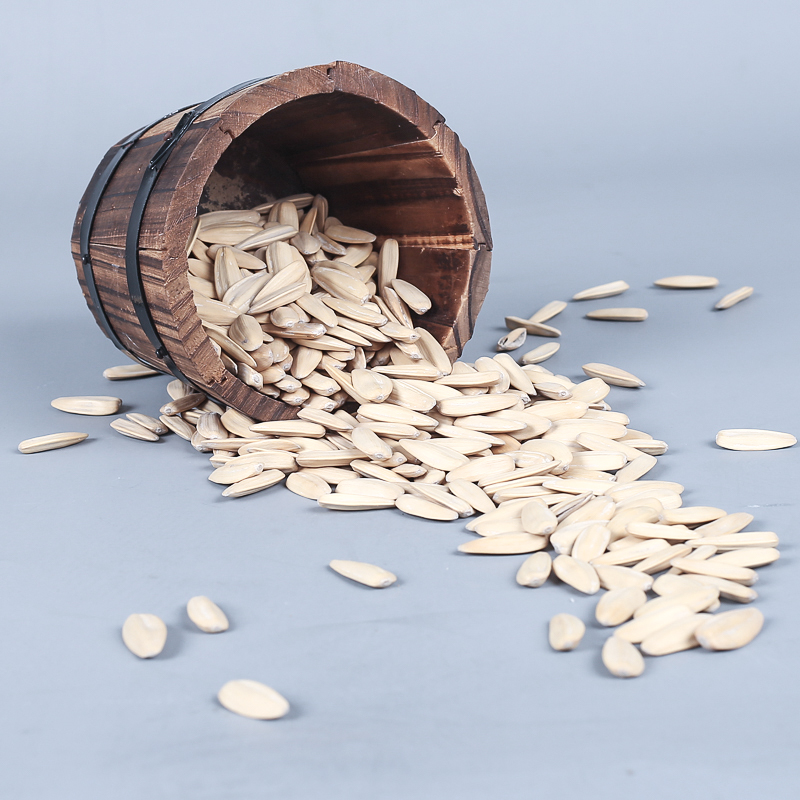
Bulk sunflower seeds for eating represent a significant segment of the global snack food industry. Technically classified as Helianthus annuus seeds, these products are valued for their nutritional content, portability, and palatability. Their position within the food chain is as a processed agricultural commodity, undergoing post-harvest treatment and packaging for direct consumer consumption. Core performance characteristics center around oil content, protein levels, kernel size uniformity, and freedom from defects (damage, foreign material). The industry faces increasing demands for consistent quality, traceability, and adherence to food safety regulations. Current market pain points include optimizing seed genetics for yield and flavor, reducing aflatoxin contamination risk, and developing sustainable processing methodologies to minimize environmental impact.
Material Science & Manufacturing
Sunflower seeds are composed primarily of oil (42-58% by weight), protein (18-25%), carbohydrates (10-20%), and fiber (5-10%). The oil consists largely of linoleic acid (a polyunsaturated omega-6 fatty acid) and oleic acid (a monounsaturated fatty acid). Kernel hardness is governed by the endosperm’s cellular structure and lipid composition. Raw materials selection prioritizes high-oil-content varieties with robust shell integrity. Manufacturing begins with harvesting, followed by drying to a moisture content of approximately 8-10% to inhibit mold growth. De-heading removes the outer husk, traditionally achieved mechanically through impact and friction. Sizing and grading separate seeds based on kernel size, with strict quality control measures employed to eliminate damaged or discolored seeds. Subsequent processing may involve seasoning (salting, flavoring) or roasting to enhance palatability and shelf life. Roasting parameters – temperature (140-170°C), duration (20-40 minutes), and airflow – directly impact moisture content, oil oxidation levels, and flavor profile. Packaging utilizes materials with low oxygen transmission rates (OTR) and moisture vapor transmission rates (WVTR) to preserve freshness. Control of these parameters is paramount to ensuring a stable, quality product.
Performance & Engineering
The structural integrity of the seed kernel is critical for withstanding processing, packaging, and transportation stresses. Force analysis during de-hulling and sorting processes reveals that seeds experience compressive and shear forces. Kernel breakage reduces product grade and increases waste. Environmental resistance focuses on preventing lipid oxidation, which leads to rancidity and off-flavors. This is achieved through antioxidant packaging (vacuum sealing, nitrogen flushing) and storage at controlled temperatures (below 25°C). Compliance requirements encompass food safety regulations (e.g., FDA in the US, EFSA in Europe) regarding aflatoxin levels, pesticide residues, and heavy metal contamination. Aflatoxin, a potent mycotoxin produced by Aspergillus fungi, is a major concern. HACCP (Hazard Analysis and Critical Control Points) plans are essential for mitigating this risk throughout the supply chain. Functional implementation involves consistent quality control testing for moisture content, oil percentage, peroxide value (an indicator of oxidation), and microbiological contaminants.
Technical Specifications
| Parameter | Specification (Standard Grade) | Specification (Premium Grade) | Test Method |
|---|---|---|---|
| Oil Content (Dry Basis) | 48% min | 52% min | Soxhlet Extraction (AOCS Official Method) |
| Moisture Content | 8% max | 6% max | Oven Drying (AACC Method 30-24) |
| Kernel Size (Screen Size) | 12/64” – 14/64” | 14/64” – 16/64” | Sieve Analysis (USDA Standard) |
| Foreign Matter | 1% max | 0.5% max | Visual Inspection (AOSA Method) |
| Damaged Kernels | 3% max | 1% max | Visual Inspection (AOSA Method) |
| Aflatoxin Level (ppb) | 20 ppb max (US FDA Limit) | 5 ppb max | ELISA or HPLC (AOAC Official Method) |
Failure Mode & Maintenance
Sunflower seeds are susceptible to several failure modes. Lipid oxidation, as previously mentioned, leads to rancidity and off-flavors, reducing shelf life. This is exacerbated by exposure to oxygen, light, and elevated temperatures. Mechanical damage during processing (de-hulling, sorting) results in broken kernels, decreasing product grade and increasing dust generation. Microbiological contamination, particularly with Aspergillus molds, poses a food safety risk. Improper drying and storage contribute to mold growth and aflatoxin production. Maintenance focuses on preventative measures: thorough cleaning and sanitation of processing equipment; strict control of drying and storage conditions (temperature, humidity); regular monitoring for aflatoxin contamination; and proper packaging to minimize oxygen exposure. To mitigate mechanical damage, regular inspection and adjustment of de-hulling equipment are crucial, as is gentle handling during sorting and packaging. Storage facilities should be pest-controlled and maintained at optimal temperature and humidity levels. Periodic quality audits are necessary to verify adherence to food safety standards.
Industry FAQ
Q: What are the key factors influencing sunflower seed oil quality, and how are they measured?
A: Sunflower seed oil quality is primarily determined by its fatty acid profile, peroxide value (PV), and color. PV measures the extent of lipid oxidation; lower values indicate higher quality. Fatty acid composition, analyzed via gas chromatography (GC), determines the ratio of linoleic to oleic acid, influencing oxidative stability. Color is assessed using spectrophotometry, with lower values indicating lighter, more desirable oil. Proper harvesting, drying, and storage practices are crucial for maintaining these parameters.
Q: How do different sunflower seed varieties impact processing efficiency and product yield?
A: High-oil-content varieties generally yield more oil per unit weight, improving processing efficiency. Seeds with robust shells are easier to de-hull, reducing breakage and waste. Different varieties also exhibit varying levels of hulling tightness, which affects the mechanical energy required for de-hulling. Kernel size uniformity within a variety also impacts sorting efficiency.
Q: What are the common methods for controlling aflatoxin contamination in sunflower seeds?
A: Effective aflatoxin control relies on a multi-faceted approach: selecting mold-resistant varieties, implementing proper harvesting and drying techniques to minimize moisture content, utilizing mechanical sorting to remove visibly contaminated seeds, and employing chemical detoxification methods (where permitted by regulations). Regular monitoring for aflatoxin levels is critical throughout the supply chain.
Q: How does packaging material influence the shelf life of bulk sunflower seeds?
A: Packaging materials with low OTR and WVTR are essential for preventing lipid oxidation and maintaining moisture content. Vacuum sealing or nitrogen flushing further reduces oxygen levels, extending shelf life. Materials with UV protection can also minimize photo-oxidation. Appropriate packaging ensures the seeds retain their flavor and nutritional value over time.
Q: What are the current trends in sustainable sunflower seed production and processing?
A: Current trends focus on reducing water consumption in irrigation, minimizing pesticide use through integrated pest management strategies, and utilizing renewable energy sources in processing facilities. Developing biodegradable packaging materials and reducing food waste are also key areas of focus. Traceability systems utilizing blockchain technology are gaining traction to enhance supply chain transparency and consumer trust.
Conclusion
The production of bulk sunflower seeds for eating is a complex process requiring meticulous attention to material science, manufacturing controls, and quality assurance. Maintaining optimal oil content, minimizing defects, and preventing aflatoxin contamination are paramount for delivering a safe, high-quality product. Understanding the interplay between seed genetics, processing parameters, and storage conditions is crucial for optimizing yield and extending shelf life.
Future advancements will likely focus on developing even more robust mold-resistant varieties, refining processing technologies to minimize mechanical damage, and implementing more sustainable practices throughout the supply chain. The continued demand for healthy and convenient snack options positions sunflower seeds as a vital component of the global food industry, driving innovation and requiring ongoing adherence to stringent quality and safety standards.
