
Introduction
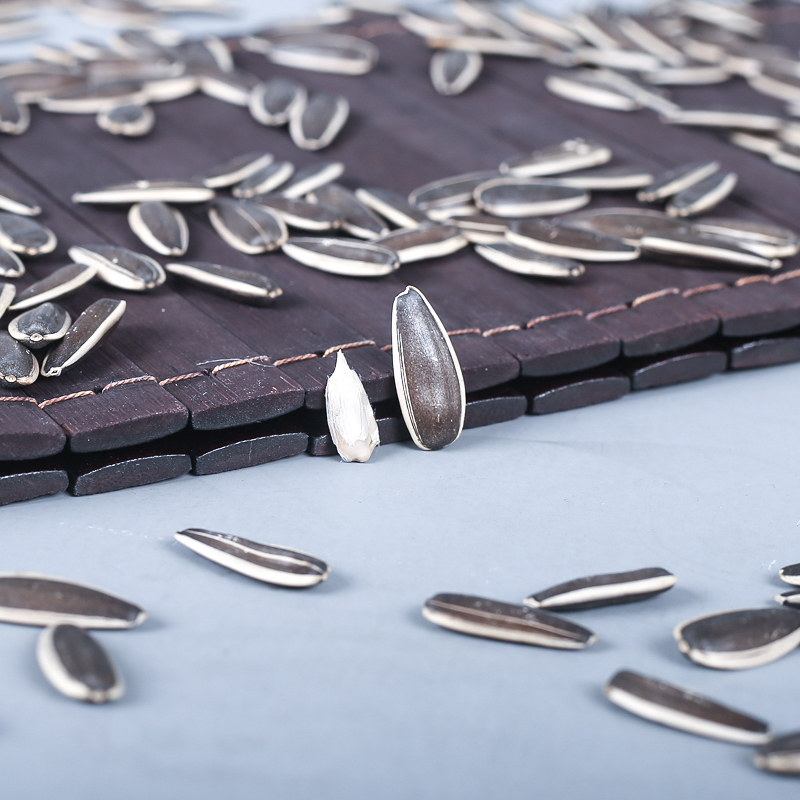
Bulk sunflower seeds for eating represent a significant commodity within the agricultural processing and snack food industries. These seeds ( Helianthus annuus) are valued for their nutritional profile, palatability, and relatively long shelf life. Positioned between primary agricultural production and consumer packaged goods, the supply chain involves cleaning, drying, dehulling (often partial), grading, and packaging. Core performance characteristics include oil content, protein content, moisture content, kernel size/weight ratio, and absence of foreign material. The industry faces ongoing challenges related to aflatoxin contamination, seed coating consistency, and maintaining optimal freshness during bulk storage and transport. Maintaining seed integrity—minimizing broken kernels and hull fragments—is crucial for both processing efficiency and consumer appeal. This technical guide details the material science, manufacturing processes, performance engineering, potential failure modes, and quality control standards associated with bulk sunflower seeds intended for direct consumption.
Material Science & Manufacturing
Sunflower seeds are composed of approximately 35-50% oil, 20-25% protein, 15-20% carbohydrate (primarily cellulose in the hull), and 5-10% moisture. The oil is rich in linoleic acid, an essential fatty acid. The hull, or pericarp, is composed primarily of cellulose and lignin, providing structural integrity but also being susceptible to moisture absorption. The kernel contains phytosterols, vitamin E, and other bioactive compounds. Manufacturing begins with harvesting, typically mechanically, followed by drying to a target moisture content of 8-10% to inhibit mold growth and enzymatic activity. Cleaning involves removing stems, leaves, dirt, and other debris using a combination of screens, air separation, and sometimes optical sorters. Dehulling is a critical step, often performed to improve palatability and oil extraction efficiency. Complete dehulling is rarely achieved in seeds destined for direct consumption; a partially hulled product is common. Grading is based on kernel size (screen size), oil content, and the percentage of foreign material. Key parameter control during drying involves maintaining temperatures below 60°C to prevent protein denaturation and oil oxidation. Precise control of dehulling pressure and duration is essential to minimize kernel damage. Seed coatings, often involving salt or flavorings, are applied using rotating drum coaters, requiring precise control of coating liquid viscosity and application rate for uniform coverage.
Performance & Engineering
The performance of bulk sunflower seeds is dictated by their structural integrity and chemical stability. Force analysis during handling and transport focuses on minimizing kernel breakage. Kernels exhibit brittle fracture behavior; impact resistance is low. Packaging design must therefore account for cushioning and vibration damping. Environmental resistance is critical, with moisture uptake being the primary concern. The hull is hygroscopic, leading to increased moisture content if not properly protected. High moisture content promotes microbial growth (molds, yeasts) and lipid oxidation, leading to rancidity. Oxygen permeability of packaging materials is also a factor affecting shelf life. Compliance requirements vary by region but generally include limits on aflatoxin levels (regulated by bodies like the FDA in the US and EFSA in Europe), pesticide residues, and heavy metal contamination. Functional implementation – the ability of the seed to deliver a consistent snacking experience – depends on maintaining kernel fullness, avoiding excessive hull fragments, and ensuring uniform flavor distribution if coated. Packaging materials must provide a barrier against moisture, oxygen, and light, while also being food-grade and suitable for bulk handling.
Technical Specifications
| Parameter | Units | Typical Value | Acceptable Range |
|---|---|---|---|
| Oil Content (Dry Basis) | % | 48 | 45-52 |
| Protein Content (Dry Basis) | % | 22 | 20-24 |
| Moisture Content | % | 9 | 8-10 |
| Kernel Size (Screen Size) | mm | 10-12 | 8-14 |
| Broken Kernels & Hull Fragments | % | 2 | <5 |
| Aflatoxin B1 | ppb | <5 | <20 (Regulatory Limit) |
Failure Mode & Maintenance
The primary failure modes for bulk sunflower seeds relate to degradation during storage and transport. Rancidity, caused by lipid oxidation, is a significant concern. This process is accelerated by exposure to oxygen, light, and elevated temperatures. Aflatoxin contamination, resulting from fungal growth ( Aspergillus flavus and Aspergillus parasiticus), poses a health hazard. Physical damage, including kernel breakage and hull fragmentation, reduces product quality and processing efficiency. Moisture absorption leads to clumping and increased susceptibility to microbial growth. Maintenance, in this context, refers to preventative measures to minimize these failures. Proper storage conditions are paramount: cool (below 25°C), dry (relative humidity below 65%), and dark. Packaging should provide a robust barrier against moisture and oxygen. Regular monitoring of moisture content and aflatoxin levels is essential. First-in, first-out (FIFO) inventory management minimizes storage time. Insect infestation can also contribute to seed damage and contamination; preventative pest control measures should be implemented. Visual inspection for mold growth or off-odors should be routine.
Industry FAQ
Q: What are the critical control points for preventing aflatoxin contamination?
A: The critical control points begin at harvest. Prompt and thorough drying to 8-10% moisture is essential to inhibit fungal growth. Careful handling to minimize kernel damage, as damaged kernels are more susceptible to infection, is also crucial. Storage facilities must be clean, dry, and protected from pests. Regular testing for aflatoxin levels is mandatory. Sourcing seeds from regions with a lower risk of aflatoxin prevalence is a proactive measure.
Q: How does the degree of dehulling affect shelf life and processing?
A: Partial dehulling, leaving a portion of the hull intact, reduces the surface area exposed to oxygen and light, potentially extending shelf life. However, the presence of hull fragments can create dust during processing and affect the mouthfeel of the final product. A balance must be struck between these competing factors.
Q: What packaging materials are best suited for maintaining seed quality during bulk transport?
A: Multi-layer packaging incorporating a moisture barrier (e.g., polyethylene) and an oxygen barrier (e.g., metallized polyester or EVOH) is recommended. Woven polypropylene bags with a polyethylene liner are common for bulk shipments. Consideration should be given to UV protection if the seeds will be exposed to sunlight during transport.
Q: What is the impact of seed coating on moisture absorption?
A: Certain seed coatings, particularly those containing sugars or hygroscopic salts, can increase moisture absorption. The coating formulation must be carefully selected to minimize this effect. The coating should also be applied uniformly to ensure consistent protection.
Q: How do you determine the optimal storage time for bulk sunflower seeds?
A: Optimal storage time depends on storage conditions and initial seed quality. Under ideal conditions (cool, dry, dark), seeds can be stored for up to 12-18 months with minimal quality loss. Regular monitoring of moisture content, oil quality (peroxide value), and aflatoxin levels is essential to determine actual shelf life.
Conclusion
Bulk sunflower seeds for eating represent a complex agricultural product requiring careful attention to material science, manufacturing processes, and quality control. Maintaining optimal moisture content, preventing aflatoxin contamination, and minimizing physical damage are paramount concerns throughout the supply chain. Proper packaging and storage are essential for preserving seed quality and extending shelf life. Understanding the interplay between these factors is critical for both producers and end-users.
Future development in this field will likely focus on advanced seed coating technologies to enhance barrier properties and deliver tailored nutritional profiles. Improved monitoring techniques for aflatoxin detection and real-time moisture analysis will also contribute to enhanced quality control. The implementation of blockchain technology to trace seeds from farm to consumer may become increasingly prevalent, ensuring transparency and accountability throughout the supply chain.
