Introduction
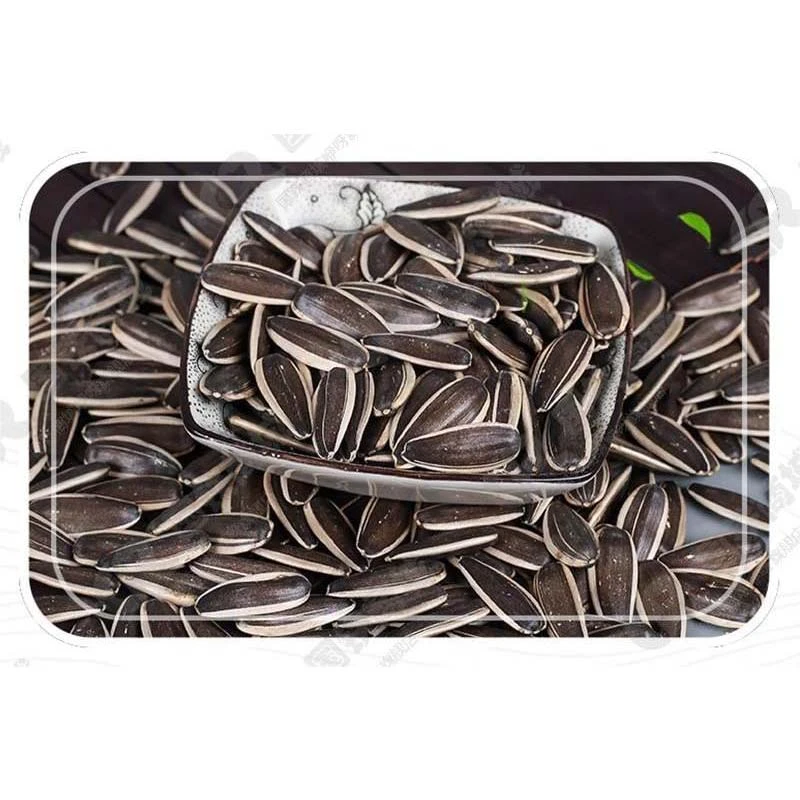
Bulk sunflower seeds for eating represent a significant commodity within the global food industry, serving as a direct consumer snack and a crucial ingredient in confectionery, baked goods, and birdseed mixtures. This technical guide details the critical aspects of sunflower seed production, from varietal selection and agricultural practices to processing, quality control, and long-term storage considerations. The industry currently faces challenges related to maintaining consistent kernel quality, minimizing mycotoxin contamination, and meeting evolving consumer demands for organic and non-GMO options. Sunflower seeds, Helianthus annuus, are categorized based on hull type (oilseed vs. confectionary) and kernel size, influencing their end-use application. Confectionary varieties prioritize large kernel size and ease of dehulling, crucial for maximizing eating quality and minimizing consumer dissatisfaction. Core performance indicators include kernel plumpness, moisture content, oil content, and the absence of foreign material. This guide offers an in-depth exploration of these parameters and their impact on the commercial viability of bulk sunflower seed operations.
Material Science & Manufacturing
Sunflower seed composition is primarily governed by genetics, growing conditions, and post-harvest processing. The seed comprises approximately 20-50% oil, 20-30% protein, 15-25% carbohydrates, and 5-10% fiber. The oil is rich in linoleic acid (an omega-6 fatty acid) and oleic acid (depending on the variety), contributing to nutritional value and stability. The seed hull, or pericarp, is composed primarily of cellulose and lignin, providing structural integrity. Manufacturing begins with field harvesting, typically employing combine harvesters equipped with specialized heads designed to minimize seed damage. Following harvest, seeds undergo cleaning to remove chaff, stems, and other debris. Dehulling is a critical step for confectionary varieties, mechanically removing the hull to expose the kernel. Dehulling efficiency directly impacts yield and kernel appearance. The dehulling process, utilizing impact or friction-based systems, generates significant dust and requires robust dust control measures. Kernel drying is essential to reduce moisture content to 8-10%, inhibiting microbial growth and extending shelf life. Drying occurs in controlled-temperature environments, utilizing forced air systems. Parameter control during drying – temperature, airflow, and seed bed depth – is crucial to prevent cracking and maintain kernel quality. Grading and sorting by size and density follows, utilizing screens and optical sorters to remove broken kernels, discolored seeds, and foreign material. Chemical compatibility during processing is vital, ensuring that cleaning agents and equipment materials (e.g., stainless steel, polymers) do not contaminate the seed with harmful residues.
Performance & Engineering
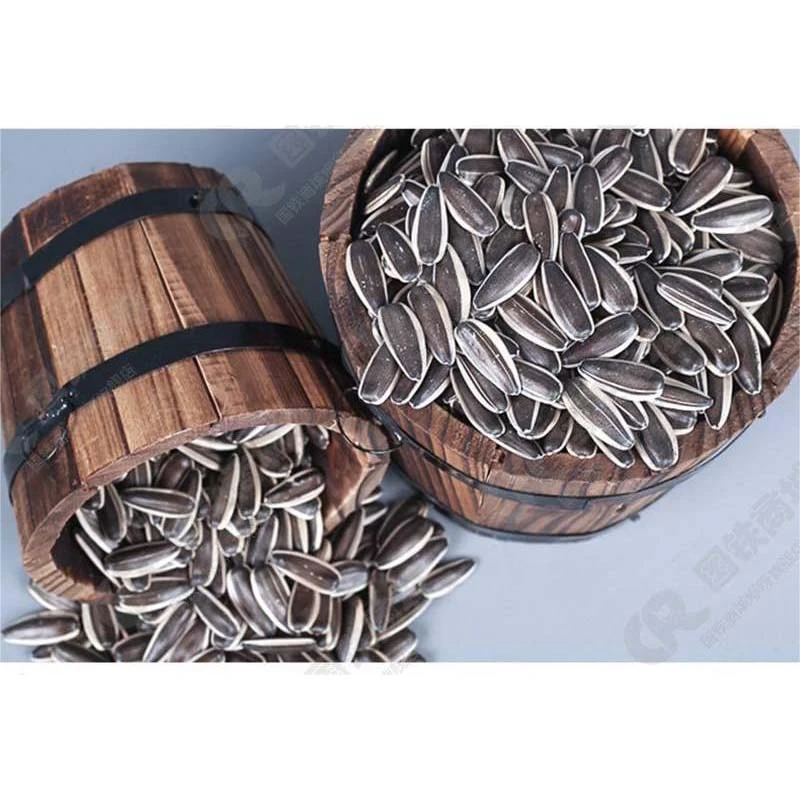
The performance of bulk sunflower seeds is directly related to their structural integrity and resistance to degradation. Force analysis during dehulling and handling reveals critical stress points within the kernel. Impact forces must be minimized to prevent fracturing. Environmental resistance, specifically to temperature fluctuations and humidity, dictates storage requirements and shelf life. Sunflower seeds are susceptible to rancidity due to oil oxidation, accelerated by elevated temperatures and exposure to oxygen. Packaging materials with low oxygen transmission rates (OTR) are essential. Compliance requirements vary by region but typically encompass food safety standards (e.g., HACCP), mycotoxin limits (e.g., Aflatoxin B1), and labeling regulations. Moisture content is a critical parameter governed by the water activity (Aw) value, which dictates microbial growth potential. An Aw value below 0.7 is generally considered safe for long-term storage. Functional implementation focuses on optimizing processing parameters – dehulling pressure, drying temperature, sorting algorithms – to maximize yield, minimize damage, and ensure consistent quality. Kernel hardness, measured using durometry, influences its resistance to cracking during handling and processing. Maintaining a balance between hardness and brittleness is essential for optimal performance.
Technical Specifications
| Parameter | Unit | Confectionary Grade | Oilseed Grade |
|---|---|---|---|
| Kernel Moisture Content | % | 8.0 - 10.0 | 9.0 - 12.0 |
| Kernel Size (Diameter) | mm | 16 - 20 | 12 - 16 |
| Oil Content | % (Dry Basis) | 40 - 50 | 50 - 60 |
| Hull Content | % | < 2 | 5 - 15 |
| Broken Kernels & Foreign Material | % | < 1 | < 5 |
| Aflatoxin B1 | ppb | < 20 | < 30 |
Failure Mode & Maintenance
Failure modes in bulk sunflower seeds encompass several categories. Fatigue cracking during handling and processing, especially in dry kernels, can lead to breakage and reduced quality. Delamination, the separation of the kernel from its seed coat, occurs due to improper drying or excessive mechanical stress. Degradation of oil quality, manifested as rancidity, results from oxidation and hydrolysis reactions, accelerated by heat, light, and moisture. Oxidation is mitigated by antioxidant compounds naturally present in the seed and through the use of packaging materials with low oxygen permeability. Mycotoxin contamination, primarily by Aspergillus flavus producing Aflatoxin B1, is a significant concern, particularly in warm, humid climates. Preventive measures include proper drying, storage, and the application of antifungal treatments. Maintenance of processing equipment – dehullers, dryers, sorters – is critical to minimize seed damage and maintain consistent quality. Regular inspection and replacement of worn parts, lubrication of moving components, and calibration of sensors are essential preventative measures. Storage facilities must be clean, dry, and well-ventilated to prevent moisture buildup and pest infestations. Periodic monitoring of temperature and humidity is recommended.
Industry FAQ
Q: What are the primary factors influencing Aflatoxin B1 levels in sunflower seeds?
A: Aflatoxin B1 contamination is heavily influenced by pre-harvest stress (drought, insect damage), delayed harvest, improper drying, and inadequate storage conditions. Maintaining low moisture content (<10%) and implementing insect control measures are crucial preventative steps. Varietal selection also plays a role, as some varieties exhibit greater resistance to Aspergillus flavus infection.
Q: How does the dehulling process affect the shelf life of confectionary sunflower seeds?
A: The dehulling process removes the protective hull, exposing the kernel to oxygen and accelerating oil oxidation. Proper drying and packaging in oxygen-barrier materials are essential to mitigate this effect. Additionally, the mechanical stress during dehulling can create micro-fractures in the kernel, providing entry points for oxygen and moisture.
Q: What is the optimal storage temperature and humidity for long-term sunflower seed preservation?
A: The optimal storage temperature is between 10-15°C (50-59°F) with a relative humidity below 65%. Maintaining these conditions minimizes oil oxidation, prevents microbial growth, and preserves seed viability. Regular monitoring and climate control systems are essential.
Q: What is the significance of kernel plumpness in confectionary sunflower seeds?
A: Kernel plumpness directly correlates with eating quality and consumer appeal. Plumper kernels have a higher meat-to-shell ratio, providing a more satisfying snack experience. It also signifies proper maturity and growing conditions. Grading and sorting processes prioritize plump, well-filled kernels.
Q: What methods are used to detect and quantify foreign materials in bulk sunflower seed shipments?
A: Foreign material detection typically involves visual inspection, sieving, and the use of optical sorters. Optical sorters utilize cameras and image processing algorithms to identify and remove contaminants based on color, shape, and size. Laboratory analysis may also be conducted to identify specific contaminants (e.g., weed seeds, stones).
Conclusion
The production and processing of bulk sunflower seeds for eating necessitates a comprehensive understanding of material science, engineering principles, and stringent quality control measures. Maintaining kernel integrity, minimizing contamination, and optimizing storage conditions are paramount to delivering a safe, high-quality product to consumers. The industry's ongoing challenges – mycotoxin management, maintaining consistent kernel size, and adapting to evolving consumer preferences – require continuous innovation in agricultural practices and processing technologies.
Future advancements will likely focus on developing sunflower varieties with enhanced resistance to Aspergillus flavus, improving dehulling efficiency to minimize damage, and implementing advanced sensor technologies for real-time monitoring of seed quality throughout the supply chain. Furthermore, sustainable packaging solutions that minimize environmental impact while preserving seed freshness will become increasingly important.
