Introduction
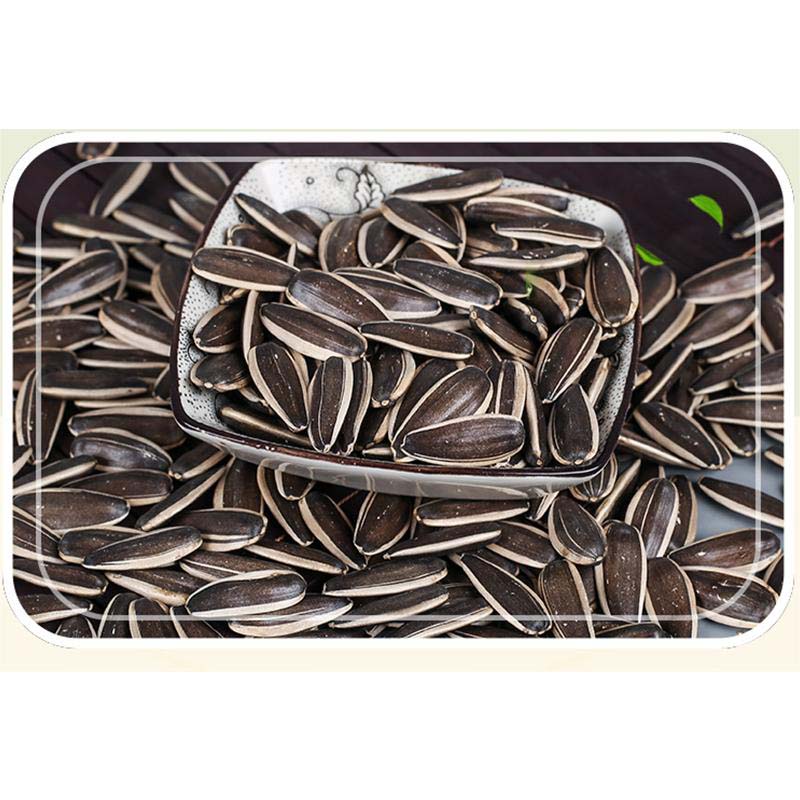
Bulk sunflower seeds, Helianthus annuus, destined for human consumption represent a significant commodity within the global food processing industry. This guide details the critical parameters influencing the quality, safety, and processability of these seeds for factories engaged in roasting, seasoning, and packaging operations. Sunflower seeds are valued for their nutritional content, particularly their high levels of vitamin E, magnesium, and healthy fats. The quality of raw material input is paramount, affecting finished product flavor, shelf life, and consumer acceptance. This document outlines key considerations from agricultural sourcing through processing and quality control, emphasizing factors crucial for minimizing waste and maximizing efficiency in large-scale eating sunflower seed operations. Unlike oilseed varieties, these seeds are specifically bred for size, kernel fullness, and hull characteristics suitable for direct consumption, requiring different harvesting and processing protocols. The economic viability of a sunflower seed processing factory hinges on a deep understanding of seed composition, contaminant management, and adherence to stringent food safety standards.
Material Science & Manufacturing
Sunflower seeds are composed of three primary components: the kernel (cotyledon), the hull (pericarp), and the germ. The kernel constitutes approximately 60-70% of the seed’s weight and is the primary source of edible oil and protein. The hull, approximately 20-30%, provides physical protection and contributes to fiber content, though its percentage impacts palatability. The germ, around 5-10%, is rich in nutrients but can develop rancidity upon prolonged storage. Seed composition varies significantly based on genetics, growing conditions (soil type, temperature, rainfall), and harvesting practices. Manufacturing begins with harvesting, typically utilizing combine harvesters. Proper timing is critical; seeds harvested too early have lower oil content and smaller kernels, while delayed harvesting increases field losses and susceptibility to pre-harvest sprouting. Post-harvest processing involves cleaning (removal of stems, leaves, and other debris), drying (to reduce moisture content to approximately 8-10% to prevent mold growth), dehulling (mechanical removal of the hull – a crucial step affecting product texture and appearance), sizing (separation of seeds based on size for consistent roasting), and optical sorting (detection and removal of discolored or damaged seeds). Dehulling efficiency is a key parameter, often controlled by impact speed and gap adjustment on industrial dehullers. Improper dehulling leads to a higher percentage of hull fragments in the final product, affecting mouthfeel. Moisture content must be strictly controlled throughout the entire process; too high increases microbial growth, while too low causes cracking during dehulling. The thermal properties of the seed, specifically its heat capacity and thermal conductivity, are also vital parameters influencing roasting uniformity.
Performance & Engineering
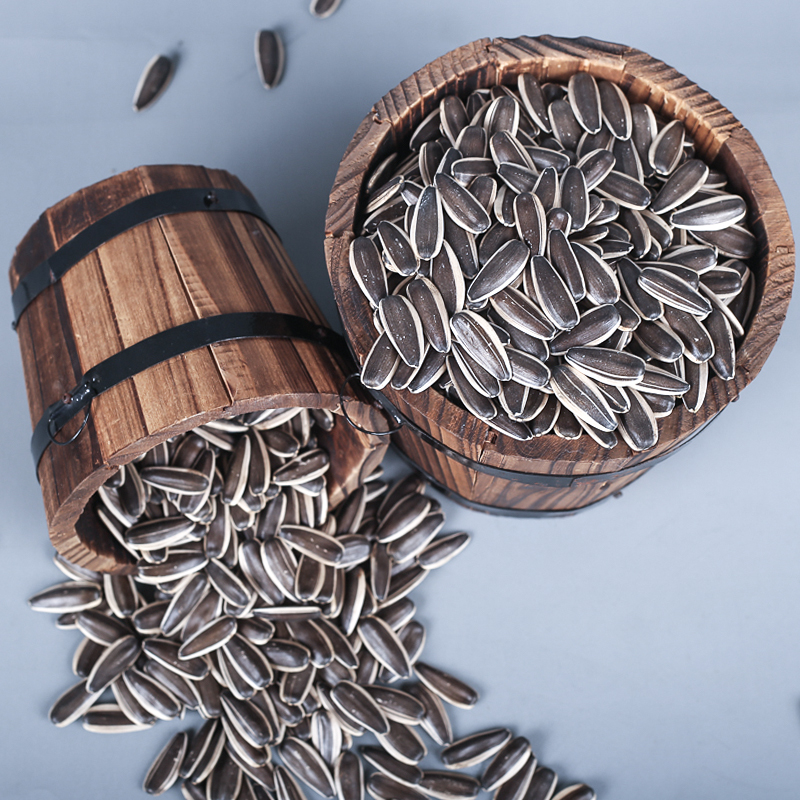
The primary engineering challenges in handling bulk sunflower seeds revolve around minimizing damage during processing and maintaining product integrity. Impact forces during dehulling and conveying must be carefully controlled to avoid kernel breakage. The angle of repose of sunflower seeds (approximately 30-35 degrees) influences storage bin design and discharge characteristics. Material flow properties are also impacted by seed shape and surface texture. Dust control is critical, as sunflower seed dust is combustible and poses a fire hazard. Engineering controls, such as dust collection systems and proper grounding of equipment, are essential for maintaining a safe working environment. Furthermore, the structural integrity of the seed itself is paramount. Kernel tensile strength, measured using compression testing, indicates its resistance to cracking under mechanical stress. This property is influenced by moisture content and lipid composition. Environmental resistance considerations include the seed's susceptibility to oxidation and rancidity. Packaging materials must provide an effective barrier to oxygen and moisture to prolong shelf life. Compliance requirements, dictated by regulatory bodies (FDA, EFSA), mandate strict control of aflatoxin levels, pesticide residues, and heavy metal contamination. The seeds' thermal resistance during roasting is crucial for achieving desired flavor profiles without scorching or degrading nutritional value. Roasting temperature and duration are carefully calibrated based on seed moisture content and desired final color and texture.
Technical Specifications
| Parameter | Specification | Test Method | Criticality |
|---|---|---|---|
| Moisture Content | 8.0% - 10.0% | Oven Drying (AACC Method 30-24) | High |
| Kernel Size (Diameter) | 12mm - 16mm | Sieve Analysis | Medium |
| Hull Percentage | < 8% (Dehulled Seed) | Manual Sorting & Weighing | High |
| Oil Content (Kernel Basis) | 48% - 58% | Soxhlet Extraction (AOCS Am 2-91) | High |
| Aflatoxin Level | < 20 ppb | HPLC (High-Performance Liquid Chromatography) | Critical |
| Broken Kernel Percentage | < 3% | Sieve Analysis & Visual Inspection | Medium |
Failure Mode & Maintenance
Common failure modes in bulk sunflower seeds destined for consumption include kernel cracking (resulting from impact during processing or low moisture content), hull fragmentation (due to aggressive dehulling or improper gap settings), rancidity (caused by lipid oxidation during storage, exacerbated by high temperatures and oxygen exposure), and microbial contamination (primarily mold growth due to excessive moisture). Aflatoxin contamination is a particularly serious failure mode, stemming from Aspergillus mold infection during pre-harvest or post-harvest storage. Preventative maintenance on processing equipment is crucial. Regular inspection and replacement of worn dehulling components (impact plates, rollers) minimizes kernel damage. Cleaning and sanitizing of conveying systems and storage bins prevent microbial growth. Temperature and humidity control in storage facilities are paramount for mitigating rancidity and mold growth. Failure analysis should include microscopic examination of damaged kernels to identify the root cause of cracking or fragmentation. Regular testing for aflatoxin levels is essential, with immediate rejection of any batch exceeding regulatory limits. Proper ventilation and dust collection systems are also critical to prevent dust explosions. Effective maintenance programs must include scheduled lubrication of moving parts, calibration of sensors, and routine inspection of electrical connections.
Industry FAQ
Q: What are the primary factors influencing sunflower seed oil yield during subsequent oil extraction, assuming the seeds are being sold for both direct consumption and potential oil processing?
A: Oil yield is significantly influenced by seed maturity at harvest, genetic variety, and storage conditions. Seeds harvested at physiological maturity exhibit higher oil content. Specific high-oleic varieties are bred for superior oil quality and yield. Maintaining low moisture content during storage prevents enzymatic degradation of lipids, preserving oil yield. The presence of hull fragments can also slightly reduce oil yield during extraction as they absorb some oil.
Q: How do different dehulling methods (e.g., impact, friction, aspiration) impact the final product quality and processing efficiency?
A: Impact dehulling is generally faster but can lead to higher kernel breakage. Friction dehulling is gentler but less efficient. Aspiration dehulling, often used as a secondary step, removes loose hulls. The optimal method depends on seed variety and desired product characteristics. A combination of methods often provides the best balance between efficiency and quality. Precise control of gap settings and impact speed is crucial for minimizing damage regardless of the method employed.
Q: What are the acceptable limits for pesticide residue levels in sunflower seeds intended for human consumption, and what testing protocols are recommended?
A: Acceptable limits vary by region and regulatory body (e.g., EPA in the US, EFSA in Europe). Typically, Maximum Residue Limits (MRLs) are established for specific pesticides. Recommended testing protocols involve Gas Chromatography-Mass Spectrometry (GC-MS) or Liquid Chromatography-Mass Spectrometry (LC-MS) conducted by accredited laboratories. Detailed testing plans should be developed based on the growing region and known pesticide usage.
Q: What types of packaging materials are most effective for preserving sunflower seed freshness and preventing rancidity during long-term storage?
A: Multi-layer packaging films incorporating a metallized barrier layer (e.g., aluminum foil) and a polyethylene or polypropylene inner layer are most effective. The metallized layer provides excellent oxygen and light barrier properties. Vacuum packaging or modified atmosphere packaging (MAP) using nitrogen flushing further enhances preservation. Packaging material thickness and seal integrity are also critical factors. Consideration should be given to the packaging material's compatibility with oil and potential migration of compounds into the seed.
Q: What measures can be implemented to effectively control dust generation during processing and minimize the risk of dust explosions?
A: Effective dust control requires a multi-faceted approach. This includes enclosing dust-generating equipment, installing dust collection systems (cyclones, bag filters) with appropriate explosion venting, grounding all equipment to prevent static electricity buildup, using non-sparking materials, and maintaining a strict housekeeping program to remove accumulated dust. Regular inspections and maintenance of dust collection systems are essential. Employee training on dust explosion hazards is also critical.
Conclusion
The successful operation of a bulk sunflower seed processing facility for eating requires a rigorous understanding of the seed’s inherent properties, from its botanical origins to its chemical composition. Precise control over harvesting, drying, dehulling, and storage parameters is paramount for maximizing product quality, minimizing waste, and ensuring adherence to stringent food safety regulations. The interconnectedness of these factors dictates the overall economic viability and sustainability of the operation.
Looking forward, advancements in optical sorting technology and predictive modeling of seed quality based on growing conditions will likely play an increasingly important role in optimizing processing efficiency and reducing contamination risks. Furthermore, continued research into breeding sunflower varieties with improved hullability, higher oil content, and enhanced resistance to aflatoxin contamination will be crucial for meeting evolving consumer demands and industry standards.
