Introduction
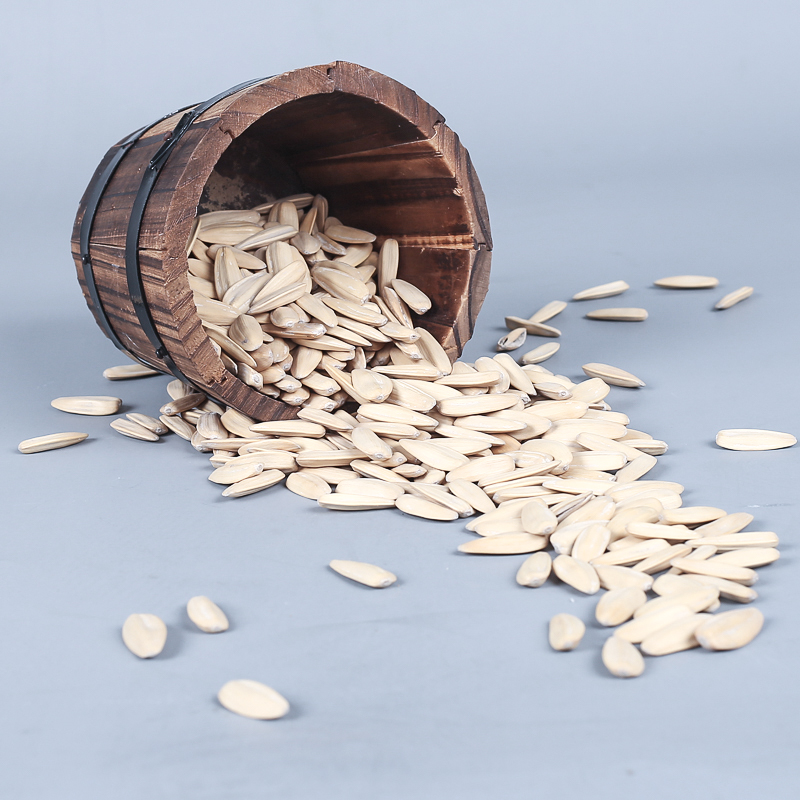
Bulk sunflower seeds for eating represent a significant commodity within the global agricultural market, experiencing consistent demand as a healthy snack and food ingredient. These seeds, Helianthus annuus, are categorized as oilseeds, although the ‘eating’ grade focuses on kernel quality and size rather than oil yield. This guide details the technical considerations for exporters of these seeds, encompassing material science, manufacturing processes (specifically post-harvest handling), performance characteristics relevant to international trade, potential failure modes during storage and transit, and applicable industry standards. The industry faces key challenges in maintaining consistent kernel integrity, minimizing mycotoxin contamination, and adhering to increasingly stringent food safety regulations. This document provides a comprehensive overview for ensuring product quality and facilitating successful export operations.
Material Science & Manufacturing
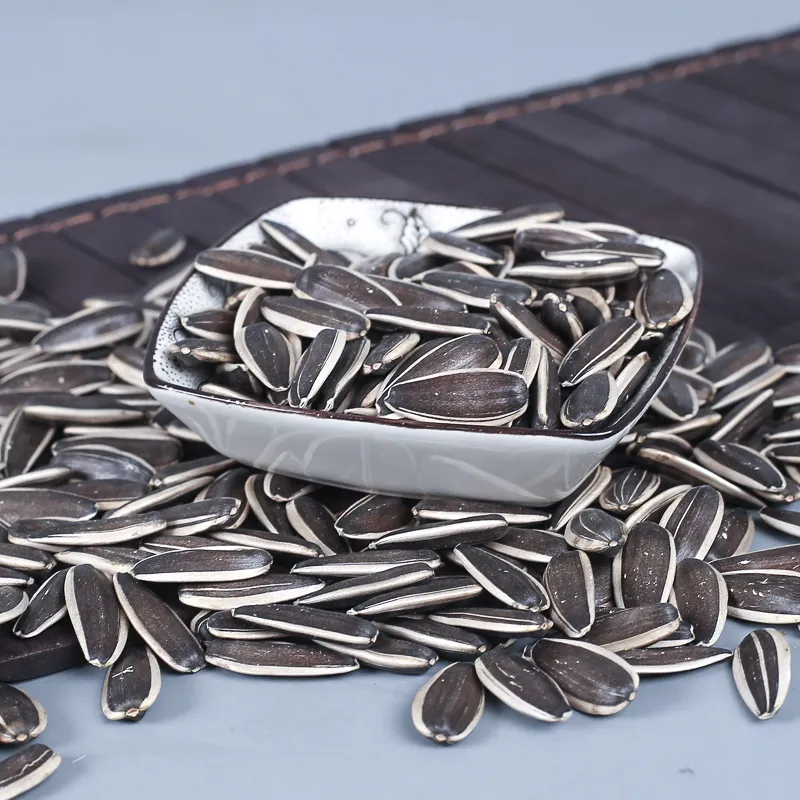
Sunflower seeds, in the context of eating varieties, are primarily composed of lipids (40-50% by weight), protein (20-25%), carbohydrates (15-20%), and fiber (5-10%). The kernel (the edible portion) is enclosed within a hull (pericarp) which varies in color from white to black and significantly impacts the seed’s processing and perceived quality. The lipid composition consists largely of linoleic acid (an omega-6 fatty acid), oleic acid (a monounsaturated fatty acid, desirable in some markets), and palmitic acid. Protein content is characterized by a relatively balanced amino acid profile. Manufacturing, in this context, refers to post-harvest processing: harvesting, drying, cleaning, sizing, and quality control. Critical parameters during drying include temperature (maintained below 45°C to prevent protein denaturation and oil rancidity) and moisture content (reduced to 8-10% for safe storage). Cleaning processes employ sieves, aspirators, and often optical sorters to remove foreign matter (stalks, leaves, stones) and damaged seeds. Sizing is essential, as export markets often specify kernel size ranges. Hull integrity is also assessed during cleaning and sizing, with damaged hulls increasing susceptibility to spoilage and mycotoxin development. Control of these parameters is paramount to preventing lipid oxidation, protein degradation, and the growth of molds. Proper storage environment, low humidity, and temperature are essential.
Performance & Engineering
The performance of sunflower seeds as a packaged export commodity is significantly impacted by physical stress during handling and transport. Force analysis reveals that kernels are susceptible to cracking under compressive loads, especially when dry. This cracking compromises the hull, increasing vulnerability to moisture uptake and lipid oxidation. Vibration during transport contributes to kernel breakage and the generation of fines (small seed particles), which can reduce overall product value. Environmental resistance is critical; exposure to humidity can lead to mold growth and mycotoxin production, particularly aflatoxins and ochratoxin A. Temperature fluctuations accelerate lipid oxidation and degradation of protein quality. Compliance requirements mandate adherence to maximum allowable levels of mycotoxins, pesticide residues, and heavy metals as defined by importing country regulations (e.g., EU regulations, FDA guidelines). Functional implementation of proper packaging plays a crucial role. Packaging materials must provide a moisture barrier, protect against physical damage, and prevent contamination. Vacuum packaging or modified atmosphere packaging (MAP) utilizing nitrogen can extend shelf life by reducing oxygen exposure. Bulk packaging (e.g., flexibags) requires careful handling to avoid damage during loading/unloading.
Technical Specifications
| Parameter | Unit | Typical Range (Eating Grade) | Testing Method |
|---|---|---|---|
| Kernel Moisture Content | % | 8.0 – 10.0 | Oven Drying (ASTM D2491) |
| Kernel Oil Content | % | 45 – 55 | Soxhlet Extraction (AOCS Official Method Ak 3-93) |
| Kernel Protein Content | % | 20 – 28 | Kjeldahl Method (AOCS Official Method Ba 3-93) |
| Kernel Size (Diameter) | mm | 12-16 (Specific to Market) | Sieve Analysis (ISO 7974-1) |
| Kernel Damage (Broken/Splits) | % | < 3.0 | Visual Inspection (ICMS 7000) |
| Foreign Matter | % | < 1.0 | Visual Inspection & Sorting |
Failure Mode & Maintenance
Failure modes for bulk sunflower seeds during export relate primarily to quality degradation during storage and transit. Lipid oxidation is a major concern, resulting in rancidity and off-flavors. This is accelerated by exposure to oxygen, light, and elevated temperatures. Mycotoxin contamination, particularly by Aspergillus species, represents a significant food safety hazard. Moisture absorption leads to mold growth and mycotoxin production. Physical damage (cracking, breakage) increases susceptibility to infestation by insects and fungal pathogens. Delamination of the kernel from the hull can occur due to improper drying or handling. Maintenance strategies focus on preventative measures: optimal drying conditions, proper storage in cool, dry, and well-ventilated facilities, airtight packaging, and rigorous quality control throughout the supply chain. Regular monitoring for moisture content, oil quality (peroxide value, acid value), and mycotoxin levels is crucial. Insect infestation can be controlled through the use of approved fumigants or controlled atmosphere storage. Maintaining a first-in, first-out (FIFO) inventory management system minimizes storage time and reduces the risk of quality deterioration. Regular cleaning of storage facilities is essential to prevent pest infestations.
Industry FAQ
Q: What are the key differences between confectionery and oilseed sunflower varieties, and how does this affect export requirements?
A: Confectionery varieties are specifically bred for large kernel size, thin hulls, and a high hull-to-kernel ratio. These qualities make them suitable for direct consumption. Oilseed varieties prioritize oil yield and often have smaller kernels and thicker hulls. Export requirements differ significantly; confectionery grades demand stricter quality control regarding kernel integrity, size consistency, and freedom from defects, while oilseed grades prioritize oil content. Mycotoxin limits may also vary based on the intended end use.
Q: How does the moisture content of sunflower seeds impact their shelf life and what are the recommended storage conditions?
A: Moisture content is a critical determinant of shelf life. High moisture content promotes mold growth and mycotoxin production. The recommended moisture content for long-term storage is 8-10%. Optimal storage conditions include a cool (10-15°C), dry (relative humidity <65%), and well-ventilated environment. Seeds should be stored in airtight containers or packaging to prevent moisture absorption and oxygen exposure.
Q: What are the common mycotoxins found in sunflower seeds, and what are the regulatory limits in the European Union and the United States?
A: The most common mycotoxins found in sunflower seeds are aflatoxins (B1, B2, G1, G2) and ochratoxin A. The European Union has strict regulatory limits for aflatoxins (total aflatoxins: 2 ppb) and ochratoxin A (3 ppb). The United States (FDA) also has action levels for aflatoxins (20 ppb) but does not have established limits for ochratoxin A in sunflower seeds, though it is monitored. Compliance with these regulations is essential for successful export.
Q: What packaging options are best suited for long-distance transport to minimize damage and maintain quality?
A: For long-distance transport, several packaging options are suitable. Flexibags (large polyethylene liners inside shipping containers) are cost-effective for bulk shipments, but require careful handling to prevent damage. Vacuum packaging or Modified Atmosphere Packaging (MAP) with nitrogen gas can significantly extend shelf life by reducing oxidation. Smaller, rigid containers (e.g., polypropylene bags) provide better protection against physical damage but are more expensive. The choice depends on the volume, distance, and budget.
Q: What are the typical inspection procedures conducted by importing countries to verify the quality and safety of sunflower seeds?
A: Importing countries typically conduct several inspection procedures. These include visual inspection for foreign matter and damage, sampling for moisture content, oil content, protein content, and mycotoxin analysis. Pesticide residue testing is also common. Some countries may require certificates of analysis from accredited laboratories to verify compliance with their regulations. Random sampling and testing are often conducted upon arrival at the port of entry.
Conclusion
The successful export of bulk sunflower seeds for eating hinges on a meticulous understanding of the material’s inherent properties, rigorous control of post-harvest processing, and adherence to stringent international quality and safety standards. Maintaining optimal moisture content, preventing lipid oxidation, and mitigating the risk of mycotoxin contamination are paramount. A proactive approach to quality control, encompassing comprehensive testing, appropriate packaging, and careful handling throughout the supply chain, is critical for meeting the demands of discerning international markets.
Future trends in the industry will likely focus on the development of sunflower varieties with improved oil profiles (e.g., high-oleic acid content), enhanced resistance to fungal pathogens, and optimized kernel characteristics for specific export markets. Implementing traceability systems using blockchain technology can further enhance transparency and build consumer confidence. Continual investment in research and development, coupled with a commitment to sustainable agricultural practices, will be essential for maintaining competitiveness in the global sunflower seed trade.
