Introduction
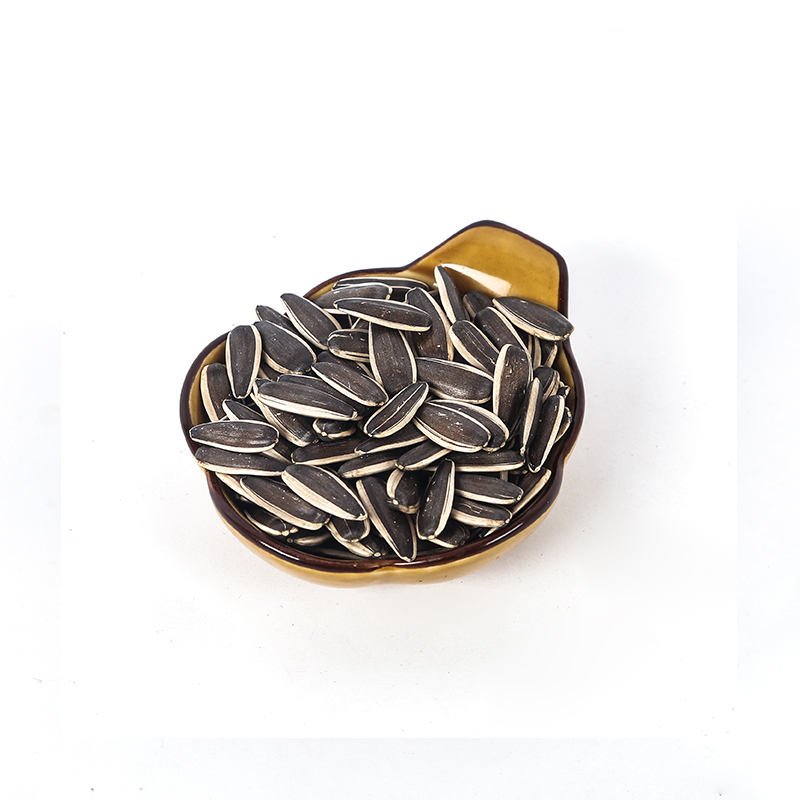
Bulk black sunflower seeds represent a significant commodity within the agricultural and food processing industries. These seeds, Helianthus annuus var. niger, are distinguished by their small size and dark pigmentation, offering a unique nutritional profile and functional properties. This technical guide provides a comprehensive analysis of black sunflower seeds, encompassing their material science, manufacturing processes, performance characteristics, potential failure modes, and relevant industry standards. Their primary applications span bird feed, confectionary products, and increasingly, human food ingredients due to their high oil content and protein value. A key pain point for industrial buyers is consistent quality regarding oil content, hulling percentage, and freedom from contaminants, demanding rigorous quality control measures throughout the supply chain. This document is intended for procurement managers, quality assurance engineers, and food scientists involved in the sourcing and utilization of bulk black sunflower seeds.
Material Science & Manufacturing
Black sunflower seeds derive their characteristics from their genetic composition and subsequent cultivation practices. The seed itself is comprised of three primary components: the hull (pericarp), the kernel (cotyledon), and the embryo. The hull constitutes approximately 20-30% of the seed mass and provides physical protection. The kernel, comprising 60-70%, is rich in oil (40-50% by weight), protein (20-25%), and fiber. The oil is primarily linoleic acid (an omega-6 fatty acid) with smaller amounts of oleic acid (an omega-9 fatty acid). Manufacturing begins with field cultivation, focusing on seed maturation and minimizing field contamination. Harvesting is typically mechanized, followed by cleaning and drying to reduce moisture content to around 8-10% to prevent mold growth and preserve oil quality. Hulling, a critical processing step, separates the kernel from the hull. This is commonly achieved through mechanical abrasion. Precise control of hulling parameters—impact velocity, abrasion surface geometry, and feed rate—is essential to minimize kernel damage and maximize oil yield. Further processing includes grading based on size and quality, optical sorting to remove discolored or damaged seeds, and potentially de-hulling to achieve desired kernel purity levels. Chemical compatibility is crucial during storage; seeds should be protected from exposure to strong oxidizing agents and moisture. Proper storage in temperature-controlled environments is essential for maintaining oil stability and preventing rancidity.
Performance & Engineering
The performance of black sunflower seeds is primarily evaluated based on oil yield, protein content, fatty acid profile, and physical characteristics. Oil yield is a crucial economic parameter, directly influencing profitability. Engineering considerations center around optimizing the seed’s flowability during processing—hulling, sorting, and packaging. Seed shape and size uniformity contribute to consistent flow rates in processing equipment. Environmental resistance is primarily relevant to storage conditions. High humidity and temperature accelerate lipid oxidation, leading to rancidity and reduced oil quality. Packaging materials with low oxygen transmission rates (OTR) and moisture vapor transmission rates (WVTR) are crucial for maintaining seed integrity. Compliance requirements vary depending on the intended end-use. For bird feed, regulations focus on minimizing aflatoxin contamination and ensuring nutritional adequacy. For human consumption, standards regarding pesticide residues, heavy metal levels, and microbiological safety must be met. Force analysis during hulling focuses on minimizing kernel fracture. The impact force during abrasion must be carefully calibrated to effectively remove the hull without damaging the kernel’s cellular structure. Fatty acid profiles are increasingly scrutinized due to health concerns regarding omega-6 to omega-3 ratios. Breeding programs are focused on increasing the oleic acid content in sunflower oil to improve its nutritional profile.
Technical Specifications
| Parameter | Unit | Typical Value (Range) | Test Method |
|---|---|---|---|
| Oil Content (Dry Basis) | % | 42-52 | AOAC Official Method 989.04 |
| Protein Content (Dry Basis) | % | 20-28 | Kjeldahl Method (AOAC Official Method 978.05) |
| Moisture Content | % | ≤10 | Oven Drying Method (AOAC Official Method 925.10) |
| Hulling Percentage | % | ≥95 | Visual Inspection & Weight Loss |
| Kernel Size (Diameter) | mm | 6-8 | Sieve Analysis |
| Aflatoxin Level | ppb | ≤20 | HPLC-Fluorescence |
Failure Mode & Maintenance
Failure modes in bulk black sunflower seeds typically manifest as quality degradation rather than catastrophic structural failure. A primary failure mode is lipid oxidation, leading to rancidity and off-flavors. This is accelerated by exposure to oxygen, light, heat, and residual enzymatic activity. Another common issue is mold growth, particularly Aspergillus species, which produce aflatoxins. Mechanical damage during hulling and handling can cause kernel fractures, reducing oil yield and increasing susceptibility to oxidation. Physical contamination with foreign materials (stones, sticks, weed seeds) can also occur. Maintenance strategies focus on preventative measures. Proper storage conditions—cool, dry, and dark—are essential for minimizing oxidation and mold growth. Regular monitoring of moisture content and aflatoxin levels is crucial. Implementing rigorous quality control procedures during hulling and handling can minimize mechanical damage and contamination. Packaging should utilize materials with excellent barrier properties to prevent oxygen and moisture ingress. For long-term storage, the addition of antioxidants (e.g., tocopherols) may be considered, although regulatory approval must be obtained. Furthermore, regular cleaning and sanitation of storage facilities and processing equipment are critical to prevent microbial contamination.
Industry FAQ
Q: What is the acceptable level of foreign matter in a bulk shipment of black sunflower seeds intended for bird feed?
A: The acceptable level of foreign matter varies depending on the specific requirements of the bird feed formulation and regional regulations. However, a generally accepted standard is less than 1% by weight, with a specific limit on the proportion of inert materials (stones, sticks, sand) typically capped at 0.1%. Detailed specifications should be outlined in the purchase agreement.
Q: How are aflatoxin levels monitored and controlled during the post-harvest phase?
A: Aflatoxin levels are monitored through regular sampling and analysis using HPLC-Fluorescence techniques. Control measures include proper drying of seeds immediately after harvest to reduce moisture content, preventing physical damage during handling, and utilizing storage facilities with adequate ventilation and pest control. Some suppliers may employ pre-harvest treatments with biological control agents to minimize fungal growth in the field.
Q: What is the significance of the linoleic/oleic acid ratio in black sunflower seeds, and how is it measured?
A: The linoleic/oleic acid ratio impacts the nutritional value of the oil. A higher oleic acid content is generally considered desirable due to its improved oxidative stability and perceived health benefits. The ratio is determined through gas chromatography analysis of the fatty acid methyl esters derived from the oil.
Q: What packaging materials are recommended for long-term storage of bulk black sunflower seeds to minimize oxidation?
A: Packaging materials with low oxygen and moisture permeability are essential. Multi-layer films incorporating aluminum foil or metallized polyester, combined with a polyethylene inner layer for sealing, are commonly used. Nitrogen flushing of the packaging prior to sealing can further reduce oxygen levels.
Q: How does the hulling process affect the oil stability of black sunflower seeds?
A: Improper hulling can damage the kernel, exposing more surface area to oxygen and accelerating lipid oxidation. Gentle hulling techniques that minimize kernel fracture are crucial. Additionally, the hull itself contains antioxidants that contribute to the overall oil stability, so excessive hulling can also reduce antioxidant capacity.
Conclusion
Black sunflower seeds represent a valuable commodity with diverse applications, but their quality and performance are heavily reliant on meticulous control throughout the entire supply chain – from cultivation and harvesting to processing, storage, and packaging. Understanding the material science of the seed, implementing optimized manufacturing techniques, and adhering to stringent quality standards are paramount for ensuring a consistent and high-quality product. The industry faces ongoing challenges related to aflatoxin contamination, oxidation stability, and meeting evolving consumer demands for improved nutritional profiles.
Continued research into breeding programs aimed at enhancing oleic acid content and developing improved storage technologies will be critical for maximizing the potential of black sunflower seeds. Furthermore, collaborative efforts between suppliers, processors, and end-users are essential to establish and maintain rigorous quality control protocols and ensure compliance with increasingly stringent regulatory requirements. This proactive approach will be vital for sustaining the long-term viability and growth of the black sunflower seed industry.
