Introduction
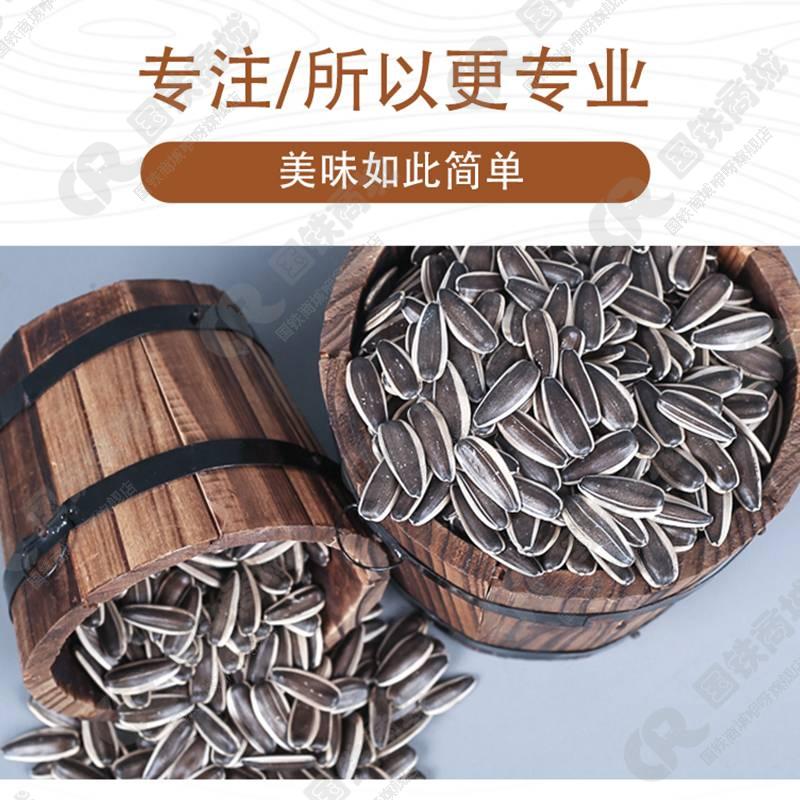
Bulk black sunflower seeds ( Helianthus annuus) represent a specialized segment of the sunflower seed market, distinguished by their dark pericarp color resulting from high levels of anthocyanins. These seeds are not primarily valued for direct human consumption in the same manner as confectionary sunflower seeds, but rather for their utilization in oil production, livestock feed, and increasingly, functional food applications. Within the agricultural commodity chain, they occupy a position between primary agricultural production and industrial processing. Core performance characteristics include oil yield, protein content, hulling percentage, and the concentration of bioactive compounds contributing to color and antioxidant capacity. The growing demand for naturally colored oils and high-protein feed ingredients is driving increased interest in this seed type. A significant industry pain point lies in maintaining consistent seed quality due to variability in growing conditions and effective post-harvest handling to prevent lipid oxidation and mycotoxin contamination.
Material Science & Manufacturing
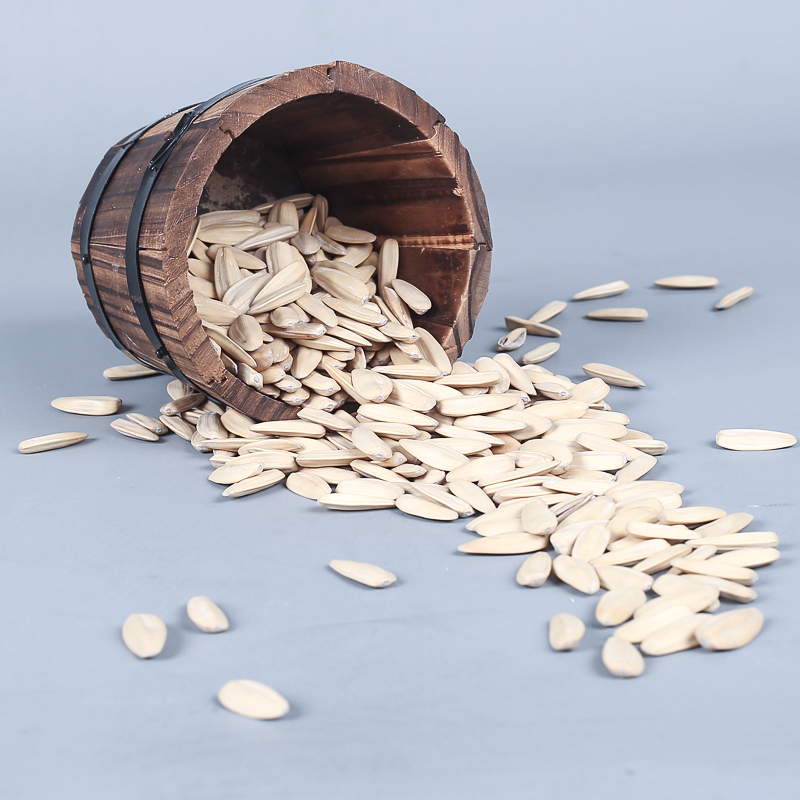
The primary constituent of black sunflower seeds is the lipid fraction, typically ranging from 42-55% by weight, composed predominantly of linoleic acid (around 60-70%) and oleic acid (15-30%). Protein content is significant, typically 20-25%, with a balanced amino acid profile. The seed hull, or pericarp, consists of cellulose, hemicellulose, and lignin, providing structural integrity and contributing to the seed’s color through anthocyanin pigments. These pigments are pH-sensitive and susceptible to degradation during processing. Manufacturing begins with field cultivation, requiring careful soil management, irrigation, and pest control. Post-harvest, seeds undergo cleaning to remove debris and foreign matter. Drying is crucial, typically to a moisture content of 8-10%, to inhibit microbial growth and enzymatic activity. The drying process utilizes forced-air systems with temperature control to avoid denaturation of proteins and oxidation of lipids. Hulling, the removal of the outer shell, is a critical step, often employing mechanical friction and impact. Parameters such as huller speed, gap settings, and impact force must be carefully controlled to minimize kernel damage. Grading is then performed based on seed size, color, and the presence of foreign material. Storage conditions – low temperature (below 15°C) and low humidity (below 65%) – are essential to maintain seed quality and prevent rancidity.
Performance & Engineering
Performance of bulk black sunflower seeds is evaluated based on several key engineering properties. Oil extraction efficiency is paramount, heavily influenced by seed density and oil body morphology. A higher seed density generally correlates to higher oil content. Force analysis during hulling reveals the fracture toughness of the pericarp; optimizing huller parameters requires minimizing fracture force while maximizing hull removal. Environmental resistance relates primarily to storage stability. Exposure to oxygen, light, and elevated temperatures accelerates lipid peroxidation, leading to reduced oil quality and the formation of undesirable volatile compounds. Antioxidant capacity, due to anthocyanins and vitamin E, offers some protection against oxidation but is limited. Compliance requirements are governed by food safety regulations such as those established by the FDA (USA) and EFSA (Europe), focusing on mycotoxin limits (aflatoxins, ochratoxins) and pesticide residue levels. Functional implementation demands analysis of fatty acid profiles (linoleic, oleic, stearic) and protein quality for feed and food applications. Proper storage and handling during transportation are also crucial to preventing damage and maintaining product integrity.
Technical Specifications
| Parameter | Unit | Typical Value (Range) | Test Method |
|---|---|---|---|
| Oil Content | % (Dry Weight Basis) | 48-55 | AOAC Official Method 920.39 |
| Protein Content | % (Dry Weight Basis) | 22-28 | Kjeldahl Method (AOAC Official Method 976.05) |
| Moisture Content | % | 8-10 | Oven Drying Method (ISO 712) |
| Hull Percentage | % | 25-35 | Visual Sorting and Weighing |
| Anthocyanin Content | mg/100g (Seed) | 10-30 | Spectrophotometric Analysis |
| Acid Value | mg KOH/g | < 1.0 | Titration Method (AOCS Cd 3-63) |
Failure Mode & Maintenance
Failure modes in bulk black sunflower seeds primarily manifest as quality degradation during storage and processing. Lipid oxidation, leading to rancidity, is a common issue, accelerated by high temperatures, oxygen exposure, and the presence of metal ions. Failure analysis reveals the formation of peroxides, aldehydes, and ketones as oxidation byproducts. Mycotoxin contamination, particularly by Aspergillus species, is a significant concern, especially under humid conditions. Physical damage during hulling, such as kernel fracturing and shell fragments, reduces processing efficiency and product quality. Protein denaturation, caused by excessive heat during drying or processing, lowers nutritional value. Maintenance strategies involve strict adherence to optimal storage conditions (low temperature, low humidity, inert gas atmosphere). Regular monitoring of acid value and peroxide value provides an indication of lipid oxidation. Implementation of robust cleaning and grading procedures minimizes foreign material and damaged seeds. Control of mycotoxin levels requires the use of preventative measures during cultivation and post-harvest handling, including proper drying and fungicide application (where permitted). Proper equipment maintenance for hulling and cleaning machinery reduces physical damage.
Industry FAQ
Q: What is the typical shelf life of bulk black sunflower seeds under optimal storage conditions?
A: Under optimal storage conditions – temperatures below 15°C, humidity below 65%, and protection from light and oxygen – bulk black sunflower seeds can maintain acceptable quality for 18-24 months. Regular monitoring of acid value and peroxide value is recommended to assess lipid oxidation over time.
Q: How do anthocyanin levels affect the oil's stability?
A: While anthocyanins possess antioxidant properties, their direct impact on oil stability is limited. They primarily contribute to the oil’s color. Lipid oxidation is the dominant degradation pathway, and protection requires minimizing oxygen exposure and using antioxidants like vitamin E.
Q: What are the critical control points for preventing mycotoxin contamination?
A: Critical control points include pre-harvest monitoring for insect damage, rapid and thorough drying after harvest to reduce moisture content, proper storage facilities with adequate ventilation, and regular inspection for signs of mold growth.
Q: What is the impact of hulling efficiency on the overall oil yield?
A: Hulling efficiency directly impacts oil yield. Incomplete hulling leaves a higher percentage of hull material, reducing the oil content per unit weight. Optimized huller settings and regular maintenance are essential for maximizing hull removal without damaging the kernels.
Q: Are there specific regulations regarding the levels of heavy metals in black sunflower seeds?
A: Yes, regulations exist regarding heavy metal content (lead, cadmium, arsenic, mercury) in food and feed ingredients. Compliance requires adherence to limits established by regulatory bodies such as the FDA (USA) and EFSA (Europe). Routine testing is necessary to ensure compliance.
Conclusion
Bulk black sunflower seeds represent a valuable agricultural commodity with growing applications in oil production, animal feed, and functional foods. Maintaining consistent quality is paramount, requiring strict control over cultivation practices, post-harvest handling, and storage conditions. The inherent susceptibility to lipid oxidation and mycotoxin contamination necessitates diligent monitoring and preventative measures.
Future trends point towards increasing demand for naturally colored oils and high-protein ingredients derived from black sunflower seeds. Advances in breeding programs focused on enhancing anthocyanin content and oil yield, coupled with improved processing technologies, will further enhance the economic viability and market potential of this specialized seed type. Continuous adherence to stringent quality control measures and regulatory compliance will be crucial for sustaining growth in this evolving market.
