Introduction
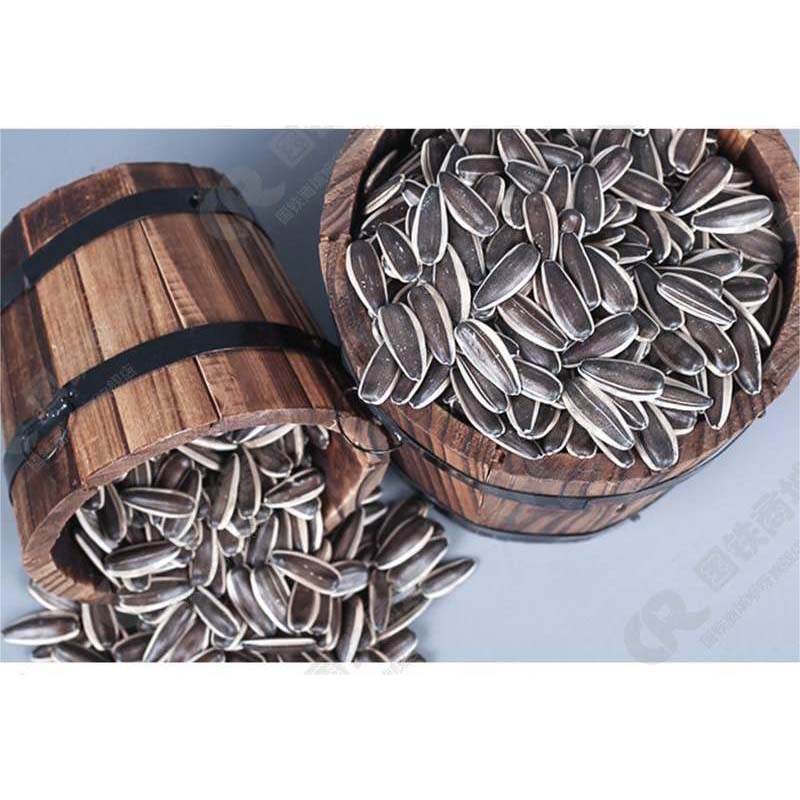
Bulk black sunflower seeds ( Helianthus annuus) represent a significant commodity within the agricultural and food processing industries. Distinguished by their dark pericarp, these seeds are valued for their nutritional profile, encompassing high levels of unsaturated fatty acids, protein, Vitamin E, and dietary fiber. Technically, they occupy a niche between confectionery and oilseed varieties, requiring specific agricultural practices and post-harvest processing to maintain quality and prevent rancidity. Their primary applications span human consumption as a snack food, ingredient in baked goods and trail mixes, and increasingly, as a protein-rich component in animal feed. Maintaining consistent kernel size, oil content, and minimizing hull damage are crucial performance indicators throughout the supply chain. This guide provides a comprehensive technical overview of black sunflower seed production, material properties, performance characteristics, potential failure modes, and relevant industry standards.
Material Science & Manufacturing
The black hull color of these sunflower seeds is due to the presence of anthocyanins, flavonoid pigments concentrated in the seed coat. The chemical composition of the seed kernel is approximately 51-58% oil (primarily linoleic acid - C18:2 - around 60-75%, oleic acid – C18:1 – 15-30%), 20-26% protein, and 10-15% carbohydrate. The seed coat itself consists of cellulosic layers providing structural integrity and acting as a barrier against moisture and pathogens. Manufacturing begins with specialized black sunflower seed varieties selected for high yield and consistent seed quality. Cultivation requires well-drained soil and sufficient sunlight. Harvesting is typically done mechanically, followed by cleaning to remove debris, stalks, and leaves. Drying is a critical step, performed to reduce moisture content to around 8-10% to inhibit mold growth and enzymatic activity. This is commonly achieved using forced-air dryers with precise temperature control (typically below 60°C to prevent oil degradation). Dehulling, a crucial processing stage, can be performed mechanically (abrasive dehulling) or thermally (using hot air to fracture the hull). The dehulling process impacts the final product’s texture and appeal. Kernel sorting is then performed based on size and density, often utilizing optical sorting technology to remove damaged or discolored seeds. Parameter control during drying is paramount; exceeding optimal temperatures leads to lipid peroxidation and decreased oil quality. Similarly, improper dehulling can result in excessive kernel damage, reducing market value. Seed storage requires airtight containers and cool, dry conditions to prevent oxidative rancidity.
Performance & Engineering
The performance of bulk black sunflower seeds is assessed through several key engineering characteristics. Tensile strength of the kernel, while not typically a primary metric, impacts its resistance to cracking during handling and processing. Hull strength is more relevant, influencing dehulling efficiency and minimizing kernel damage. Moisture content is a critical parameter directly affecting shelf life and susceptibility to mold growth. Water Activity (Aw) is a more precise measure of available water, providing a better predictor of microbial stability. Oil stability, measured by parameters like Peroxide Value (PV) and Anisidine Value (AV), indicates the degree of lipid oxidation and rancidity development. Force analysis during dehulling evaluates the energy required to separate the kernel from the hull, optimizing mechanical dehulling parameters. Environmental resistance relates to the seeds' ability to withstand temperature fluctuations and humidity variations during storage and transportation. Compliance requirements include adherence to food safety regulations (e.g., HACCP) and pesticide residue limits established by regulatory bodies. Functional implementation considerations involve incorporating the seeds into food formulations, accounting for their oil content, protein content, and textural properties. Bulk density and flowability are important for efficient handling and packaging operations.
Technical Specifications
| Parameter | Unit | Typical Value | Testing Method |
|---|---|---|---|
| Moisture Content | % | 8-10 | Oven Drying (AOAC) |
| Oil Content | % (Dry Basis) | 50-58 | Soxhlet Extraction (AOCS) |
| Protein Content | % (Dry Basis) | 20-26 | Kjeldahl Method (AOCS) |
| Hull Percentage | % | 20-30 (Dehulled) | Visual Sorting & Weight Difference |
| Kernel Size (Diameter) | mm | 8-12 | Sieve Analysis |
| Peroxide Value (PV) | meq O2/kg | < 5 | Titration (AOCS) |
Failure Mode & Maintenance
Several failure modes can impact the quality and usability of bulk black sunflower seeds. Rancidity, caused by lipid oxidation, is a primary concern, leading to off-flavors and reduced nutritional value. This is accelerated by exposure to oxygen, light, and high temperatures. Mold growth, particularly Aspergillus species, can occur under high moisture conditions, producing mycotoxins that pose health risks. Kernel cracking and breakage during handling and processing reduce product appeal and can lead to increased dust generation. Hulling damage can expose the kernel to oxidation and contamination. Insect infestation can cause significant losses during storage. Maintenance strategies involve strict moisture control during drying and storage, employing airtight packaging with nitrogen flushing to minimize oxygen exposure, and implementing regular pest control programs. Antioxidants, such as Vitamin E, can be added to formulations to inhibit lipid oxidation. Monitoring peroxide values and moisture content during storage is crucial for detecting early signs of degradation. Implementing a First-In, First-Out (FIFO) inventory management system minimizes storage time and reduces the risk of deterioration. Careful handling procedures, minimizing impact and abrasion, prevent kernel damage. Regular inspection for insect activity and mold growth is essential.
Industry FAQ
Q: What is the primary difference in oil profile between black sunflower seeds and standard confectionery sunflower seeds?
A: Black sunflower seeds generally exhibit a higher oleic acid content (C18:1) compared to standard confectionery varieties. This higher oleic acid content translates to improved oxidative stability, resulting in a longer shelf life and better resistance to rancidity. Standard confectionery seeds often have a higher linoleic acid (C18:2) content, which is more susceptible to oxidation.
Q: How does the dehulling process impact the shelf life of the seeds?
A: Improper dehulling, resulting in excessive kernel damage, significantly reduces shelf life. Damaged kernels have a larger surface area exposed to oxygen, accelerating lipid oxidation. Gentle dehulling techniques, minimizing kernel breakage, are crucial for maximizing stability. Complete removal of the hull is also important, as residual hull fragments can provide a breeding ground for mold.
Q: What are the key indicators of lipid oxidation in sunflower seeds?
A: The primary indicators of lipid oxidation are Peroxide Value (PV), Anisidine Value (AV), and the presence of volatile aldehydes. Elevated PV and AV values indicate increasing levels of oxidation products. Sensory evaluation (taste and odor) can also detect rancidity, but chemical analysis provides more objective and quantitative data.
Q: What are the recommended storage conditions for maximizing shelf life?
A: Recommended storage conditions include a temperature below 15°C (59°F), a relative humidity below 60%, and airtight packaging. Nitrogen flushing of the packaging before sealing further reduces oxygen levels. Exposure to direct sunlight should be avoided.
Q: What regulations govern the permissible levels of mycotoxins in sunflower seeds intended for human consumption?
A: Regulations governing mycotoxin levels vary by country. In the United States, the FDA sets limits for aflatoxins, ochratoxin A, and other mycotoxins. In Europe, the European Food Safety Authority (EFSA) establishes Tolerable Daily Intakes (TDIs) for mycotoxins. Compliance with these regulations is essential for market access.
Conclusion
Bulk black sunflower seeds represent a valuable agricultural commodity demanding rigorous quality control throughout the production chain. The unique chemical composition, particularly the elevated oleic acid content and anthocyanin presence, dictates specific processing and storage requirements. Maintaining optimal moisture levels, employing gentle dehulling techniques, and implementing effective antioxidant strategies are critical for preserving product quality and ensuring long-term stability. The technical specifications outlined, coupled with diligent monitoring for potential failure modes, enable producers and processors to deliver a consistently high-quality product meeting stringent industry standards.
Future advancements in sunflower seed breeding will likely focus on enhancing oil stability, increasing protein content, and improving resistance to pests and diseases. Innovations in processing technologies, such as pulsed electric field (PEF) dehulling, may offer gentler and more efficient dehulling methods. The growing consumer demand for plant-based protein sources will continue to drive demand for sunflower seeds as a nutritious and sustainable ingredient. Continuous adherence to international standards and best practices will remain paramount for maintaining market access and ensuring product safety.
