Introduction
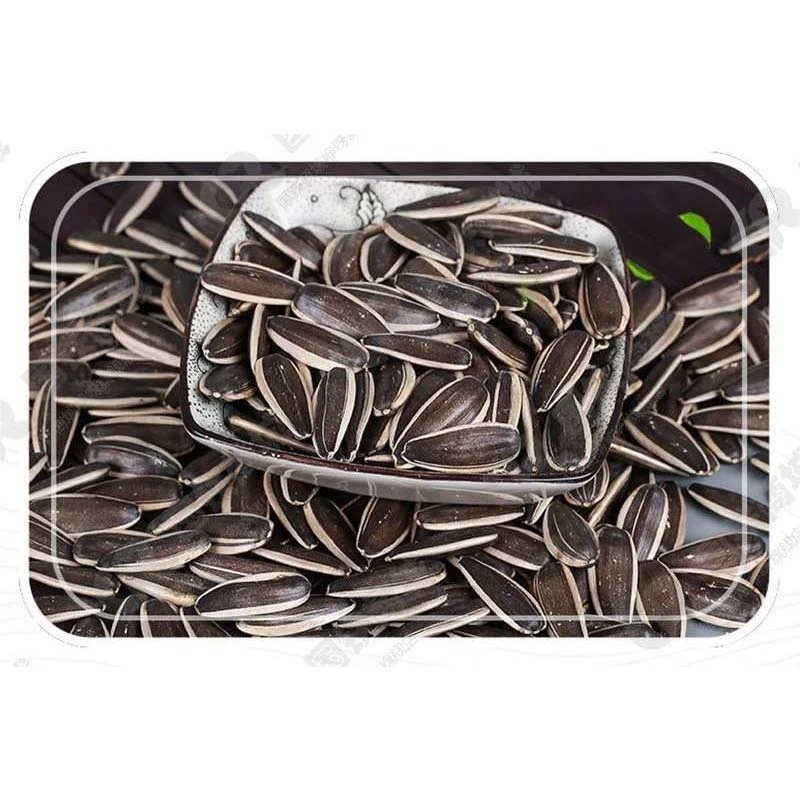
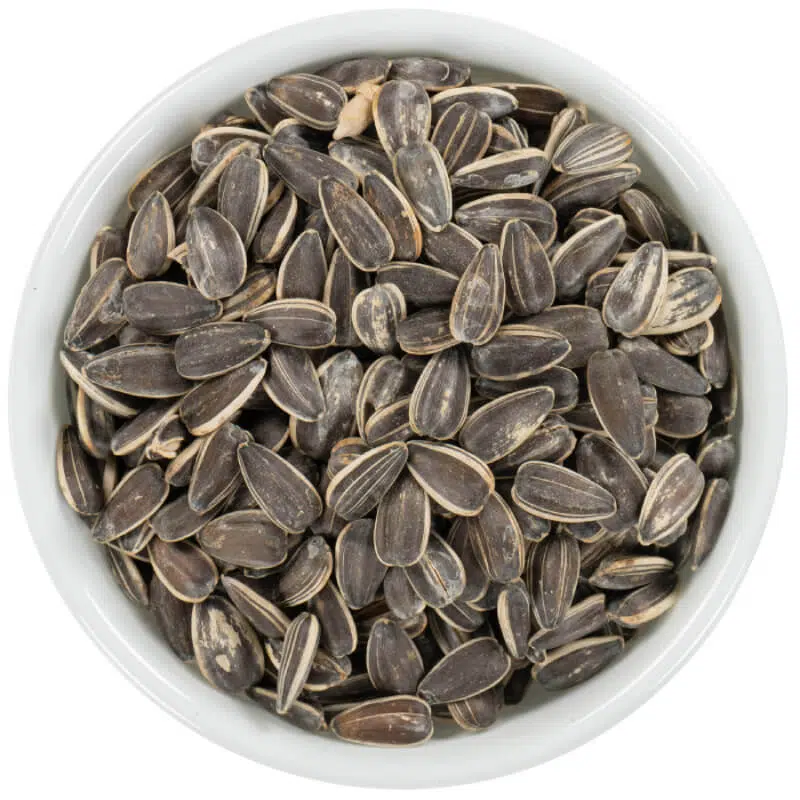
Bulk black sunflower seeds (Helianthus annuus) represent a significant commodity within the agricultural and food processing industries. These seeds are distinguished by their dark pericarp, a characteristic resulting from melanins, and are primarily utilized for human consumption as a snack food, ingredient in baking, and source of sunflower oil. This technical guide provides an in-depth analysis of their material science, manufacturing processes, performance characteristics, potential failure modes, and relevant industry standards. The industry currently faces challenges related to maintaining consistent seed quality, minimizing mycotoxin contamination, optimizing oil yield, and meeting increasingly stringent food safety regulations. Understanding the intricacies of black sunflower seed production and processing is critical for manufacturers aiming to achieve efficiency, quality, and compliance.
Material Science & Manufacturing
The core of the black sunflower seed is the embryo, a rich source of proteins, fats, and carbohydrates. The seed coat, or pericarp, is composed of cellulose, hemicellulose, and lignin, contributing to the seed’s structural integrity and the dark pigmentation. The oil content typically ranges from 42-55% depending on the variety and growing conditions, consisting primarily of linoleic acid (around 60-75%) and oleic acid (around 15-30%). Manufacturing begins with field cultivation and harvesting. Critical parameters include optimal moisture content at harvest (8-12%) to minimize fungal growth and shattering. Post-harvest processing involves cleaning (removal of stalks, leaves, and other debris), drying (reducing moisture content to 6-8% for storage), dehulling (mechanical removal of the outer husk), and grading (separation by size and quality). Dehulling efficiency is paramount; damage to the kernel during dehulling can lead to oil degradation and increased free fatty acid content. Seed roasting, if required, is carefully controlled to optimize flavor development and prevent lipid oxidation. Nitrogen blanketing during storage is commonly employed to reduce oxidative rancidity. The chemical compatibility of storage materials with the oil content is vital – stainless steel or food-grade plastics are preferred to avoid metallic contamination and reactions.
Performance & Engineering
The performance of black sunflower seeds is assessed by several key factors. Kernel hardness, measured via compression testing, impacts the efficiency of oil extraction. A higher hardness generally corresponds to lower oil yield due to increased resistance to rupture. Moisture content is a critical engineering parameter; fluctuations affect storage stability and milling performance. Excessive moisture promotes microbial growth and mycotoxin production (aflatoxins, ochratoxins), while insufficient moisture can lead to kernel fracturing. During oil extraction (typically through mechanical pressing or solvent extraction using hexane), force analysis dictates the optimal pressure and temperature to maximize yield while minimizing degradation of oil quality. Environmental resistance considerations include temperature and humidity control during storage to prevent rancidity and pest infestation. Compliance with food safety regulations (e.g., HACCP, GMP) requires meticulous monitoring and control of all process parameters. The shelf life is significantly affected by antioxidant levels naturally present in the seed and enhanced through packaging methods employing nitrogen flushing and moisture barriers.
Technical Specifications
| Parameter | Unit | Typical Value | Test Method |
|---|---|---|---|
| Oil Content (Dry Basis) | % | 48-53 | SOXTEC Method (ISO 6593) |
| Protein Content (Dry Basis) | % | 20-25 | Kjeldahl Method (ISO 1871) |
| Moisture Content | % | 6-8 | Oven Drying Method (ISO 712) |
| Kernel Hardness | N | 200-350 | Compression Testing (ASTM D698) |
| Free Fatty Acid Content | % as oleic acid | < 0.5 | Titration (AOCS Cd 3-63) |
| Aflatoxin B1 | ppb | < 2 | HPLC (AOAC 991.31) |
Failure Mode & Maintenance
Failure modes in bulk black sunflower seeds during storage and processing are diverse. Lipid oxidation, leading to rancidity and off-flavors, is a primary concern. This is accelerated by exposure to oxygen, light, and elevated temperatures. Mechanical damage during dehulling and handling can create entry points for microbial contamination. Mycotoxin production, particularly by Aspergillus species, is a serious safety hazard. Fatigue cracking of the seed coat can occur during prolonged storage and handling, leading to kernel breakage and dust formation. Dehulling equipment can experience wear and tear, resulting in increased kernel damage and reduced efficiency. Maintenance strategies include regular cleaning and inspection of processing equipment, implementing strict temperature and humidity control during storage, utilizing appropriate packaging materials with oxygen and moisture barriers, and regular testing for mycotoxins. Preventative measures against pest infestation (insecticides, fumigation, controlled atmosphere storage) are also crucial. Implementing a robust traceability system allows for quick identification and isolation of contaminated batches.
Industry FAQ
Q: What are the critical factors influencing oil yield in black sunflower seeds?
A: Several factors impact oil yield. These include the sunflower variety (certain hybrids are bred for higher oil content), growing conditions (sunlight, temperature, water stress), maturity at harvest, dehulling efficiency (minimizing kernel damage), and the extraction method employed (mechanical pressing vs. solvent extraction). Optimizing each of these parameters is essential for maximizing oil recovery.
Q: How do you mitigate the risk of aflatoxin contamination in sunflower seeds?
A: Mitigating aflatoxin contamination requires a multi-faceted approach. This includes selecting aflatoxin-resistant varieties, ensuring proper drying of the seeds post-harvest, maintaining strict storage conditions (low moisture, low temperature), implementing robust cleaning procedures to remove contaminated seeds, and regular testing for aflatoxin levels throughout the supply chain.
Q: What are the key considerations when selecting packaging materials for long-term storage?
A: Packaging materials should provide a barrier against oxygen, moisture, and light. Options include multi-layer films with aluminum foil or metallized polyester, nitrogen flushing to displace oxygen, and airtight sealing. The material must also be food-grade and not react with the oil content of the seeds. Consideration should be given to the impact of packaging material on shelf life and maintaining seed quality.
Q: How does kernel hardness affect the processing of sunflower seeds?
A: Kernel hardness influences the efficiency of dehulling and oil extraction. Harder kernels can be more difficult to dehull, potentially leading to increased kernel damage. During oil extraction, harder kernels require more force to rupture, potentially reducing oil yield. Optimizing dehulling parameters and extraction conditions based on kernel hardness is crucial.
Q: What are the common methods for assessing the quality of black sunflower seeds?
A: Common quality assessment methods include measuring oil content (SOXTEC), protein content (Kjeldahl), moisture content (oven drying), kernel hardness (compression testing), free fatty acid content (titration), and mycotoxin levels (HPLC). Visual inspection for defects (damage, discoloration) is also performed. These analyses ensure the seeds meet industry standards and regulatory requirements.
Conclusion
Black sunflower seed production and processing are complex endeavors requiring meticulous attention to detail across the entire supply chain. From the fundamental material science of the seed itself to the engineering principles governing processing equipment, a deep understanding of these aspects is crucial for manufacturers. Maintaining optimal seed quality, minimizing contamination risks, and adhering to stringent food safety regulations are paramount concerns driving innovation and best practices within the industry.
Looking forward, advancements in breeding programs focusing on improved oil content, disease resistance, and reduced mycotoxin susceptibility will be critical. Further development of non-destructive quality assessment techniques and improved packaging technologies will also play a significant role in enhancing the efficiency and sustainability of black sunflower seed production. Continuous monitoring of evolving regulatory standards and consumer preferences will be essential for maintaining market competitiveness.
