Introduction
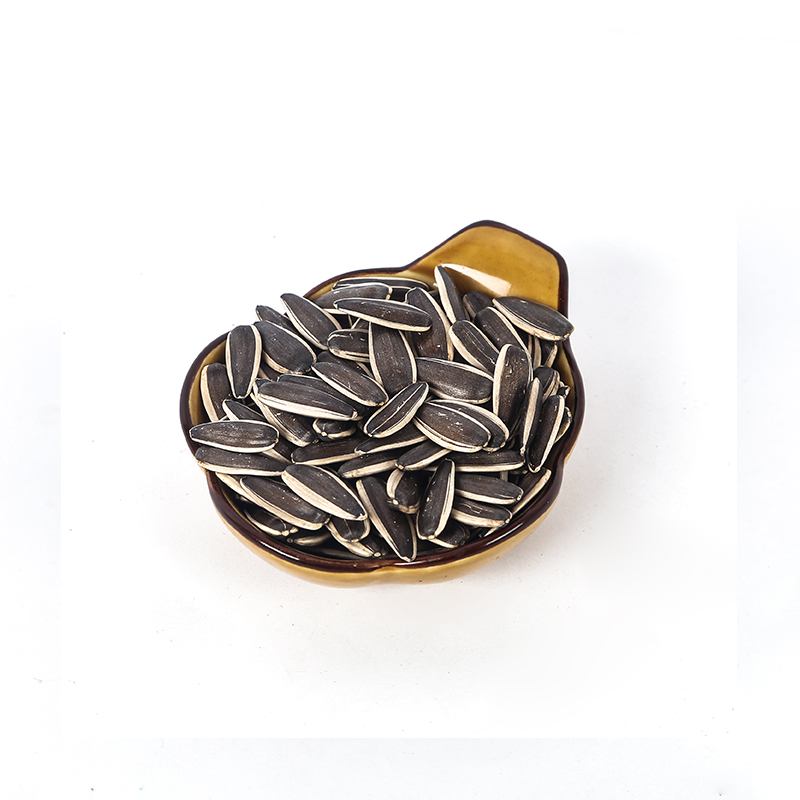
Bulk black sunflower seeds represent a significant commodity within the agricultural supply chain, functioning as a critical input for edible oil production, confectionary applications, and animal feed. Their technical position is defined by precise specifications relating to oil content, kernel size, hulling percentage, and moisture content, all influencing downstream processing efficiency and final product quality. Compared to standard striped sunflower seeds, black sunflower seeds generally exhibit a higher oil content (typically 50-55% by weight) and a thinner hull, making them preferred for oil extraction and direct consumption. This guide provides an in-depth examination of the material science, manufacturing processes, performance characteristics, potential failure modes, and relevant industry standards associated with bulk black sunflower seed production and handling, addressing core industry concerns regarding consistent quality and minimizing loss during processing.
Material Science & Manufacturing
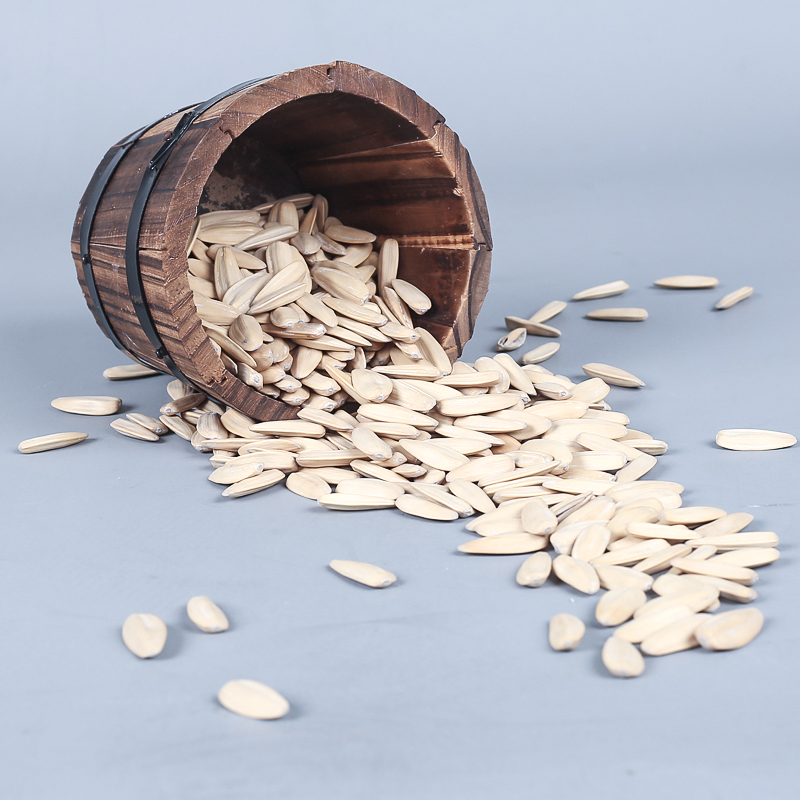
The raw material, Helianthus annuus, exhibits inherent variability dictated by genetics, climate, and soil conditions. The kernel’s composition comprises approximately 20-30% protein, 30-40% carbohydrates, 40-50% oil (primarily linoleic acid, oleic acid, and palmitic acid), and 10-15% moisture. The hull, or pericarp, is composed largely of cellulose and lignin, providing structural protection. Manufacturing begins with seed selection – optimizing for high oil content and minimal seed damage. Planting density, irrigation, and fertilization significantly impact seed yield and oil quality. Harvesting typically occurs when seed moisture content reaches 12-15%. Post-harvest processing involves cleaning (removal of debris and foreign materials), drying (reducing moisture content to 8-10% for storage stability – crucial for preventing aflatoxin development), dehulling (mechanical removal of the hull – a key determinant of processing efficiency), and grading (sorting by size and quality). Key parameter control during drying is vital; excessively high temperatures can denature proteins and reduce oil quality. Hulling efficiency is dependent on impact velocity and the condition of the hull; brittle hulls are easier to remove. Careful calibration of cleaning and grading equipment is required to minimize seed loss and maintain product purity. The presence of mycotoxins, specifically aflatoxins, is a significant concern and requires rigorous monitoring and control measures.
Performance & Engineering
Performance metrics are largely focused on the physical and chemical properties influencing oil yield and seed quality. Kernel hardness, measured via compression testing, dictates milling efficiency. Oil extraction yield is influenced by kernel size distribution, oil content, and the efficiency of the extraction method (mechanical pressing or solvent extraction). Environmental resistance primarily concerns moisture control and preventing oxidation during storage. High humidity accelerates lipid peroxidation, leading to rancidity and reduced oil quality. Packaging materials (typically polypropylene woven bags) must provide adequate moisture barrier properties. Compliance requirements pertain to food safety regulations (aflatoxin limits, pesticide residue levels) established by governing bodies. The force analysis involved in dehulling focuses on optimizing impact energy to fracture the hull without damaging the kernel. Finite element analysis can be utilized to model stress distribution during the dehulling process. The thermal stability of the oil is critical during storage and transportation; prolonged exposure to elevated temperatures can lead to polymerization and discoloration. Storage facilities require temperature and humidity control to minimize degradation and maintain seed viability.
Technical Specifications
| Parameter | Unit | Typical Value | Acceptable Range |
|---|---|---|---|
| Oil Content (Dry Basis) | % | 52 | 50 - 55 |
| Kernel Size (Diameter) | mm | 10-12 | 8 - 14 |
| Moisture Content | % | 8.5 | 8 - 10 |
| Hull Percentage | % | 20 | 15 - 25 |
| Aflatoxin Content (B1, B2, G1, G2) | ppb | <5 | <20 |
| Free Fatty Acid (FFA) | % | 0.5 | <1.0 |
Failure Mode & Maintenance
Common failure modes include kernel cracking during dehulling (resulting in oil loss and reduced seed quality), hull fragments remaining attached to the kernel (increasing processing costs), and rancidity due to lipid oxidation. Fatigue cracking can occur in storage silos due to cyclic loading and unloading. Aflatoxin contamination represents a critical failure mode impacting food safety. Degradation of oil quality during storage is a significant concern, leading to reduced market value. Maintenance strategies focus on regular inspection and cleaning of harvesting, drying, dehulling, and storage equipment. Proper ventilation and humidity control within storage facilities are crucial for preventing mold growth and aflatoxin production. Routine oil quality analysis (acid value, peroxide value) is recommended to monitor oxidation levels. Calibration of dehulling machinery is essential to minimize kernel damage. Preventative maintenance schedules should include lubrication of moving parts, replacement of worn components, and inspection of seals to prevent contamination. Implementation of Hazard Analysis and Critical Control Points (HACCP) principles is vital for ensuring food safety and minimizing the risk of aflatoxin contamination.
Industry FAQ
Q: What are the critical factors influencing the aflatoxin content in black sunflower seeds?
A: Aflatoxin contamination is primarily influenced by pre-harvest conditions (drought stress, insect damage), harvesting practices, and post-harvest handling procedures. Drought stress weakens the plant’s natural defenses, making it more susceptible to fungal infection. Insect damage provides entry points for Aspergillus molds, which produce aflatoxins. Improper drying and storage conditions (high humidity, elevated temperatures) promote fungal growth. Implementing rigorous quality control measures at each stage, including visual inspection, moisture monitoring, and aflatoxin testing, is essential for minimizing contamination.
Q: How does the hulling percentage affect the oil extraction yield?
A: A higher hulling percentage generally leads to a higher oil extraction yield. The hull contains negligible oil, so removing it concentrates the oil content within the kernel. However, aggressive dehulling can cause kernel damage, leading to oil loss and increased fines. Optimizing the dehulling process to maximize hull removal while minimizing kernel breakage is crucial for maximizing oil yield and quality.
Q: What methods are used to determine the oil content in black sunflower seeds?
A: Oil content is typically determined using solvent extraction methods, such as Soxhlet extraction using hexane. Near-infrared (NIR) spectroscopy is also widely used for rapid, non-destructive oil content analysis. NMR (Nuclear Magnetic Resonance) spectroscopy offers a highly accurate method for determining oil content and fatty acid composition. The choice of method depends on the required accuracy, throughput, and cost considerations.
Q: What is the recommended storage temperature and humidity for maintaining seed quality?
A: The recommended storage temperature is between 10-15°C (50-59°F) and the relative humidity should be maintained below 65%. These conditions minimize lipid oxidation, prevent mold growth, and maintain seed viability. Proper ventilation is essential to prevent moisture accumulation and maintain uniform temperature distribution within the storage facility.
Q: How does seed genetics impact oil quality (specifically, fatty acid profile)?
A: Seed genetics significantly influence the fatty acid profile of the oil. Different sunflower varieties exhibit varying levels of linoleic acid, oleic acid, and stearic acid. High-oleic sunflower varieties, for example, are favored for their improved oxidative stability and longer shelf life. Breeders are continually developing new varieties with improved oil quality characteristics to meet specific market demands.
Conclusion
The production of high-quality bulk black sunflower seeds necessitates a meticulous approach encompassing optimized agronomic practices, precise post-harvest processing, and stringent quality control measures. Understanding the underlying material science – the composition of the kernel and hull, and the impact of environmental factors – is crucial for maximizing oil yield and minimizing losses. Proactive maintenance of equipment and adherence to internationally recognized food safety standards are paramount for ensuring product integrity and consumer safety.
Future advancements in sunflower breeding will likely focus on developing varieties with even higher oil content, improved fatty acid profiles, and enhanced resistance to pests and diseases. The implementation of advanced monitoring technologies, such as hyperspectral imaging, will enable real-time assessment of seed quality and facilitate more efficient sorting and grading processes. Continuous refinement of processing techniques and storage protocols will be essential for maintaining the competitiveness of the black sunflower seed industry in the global marketplace.
