
Introduction
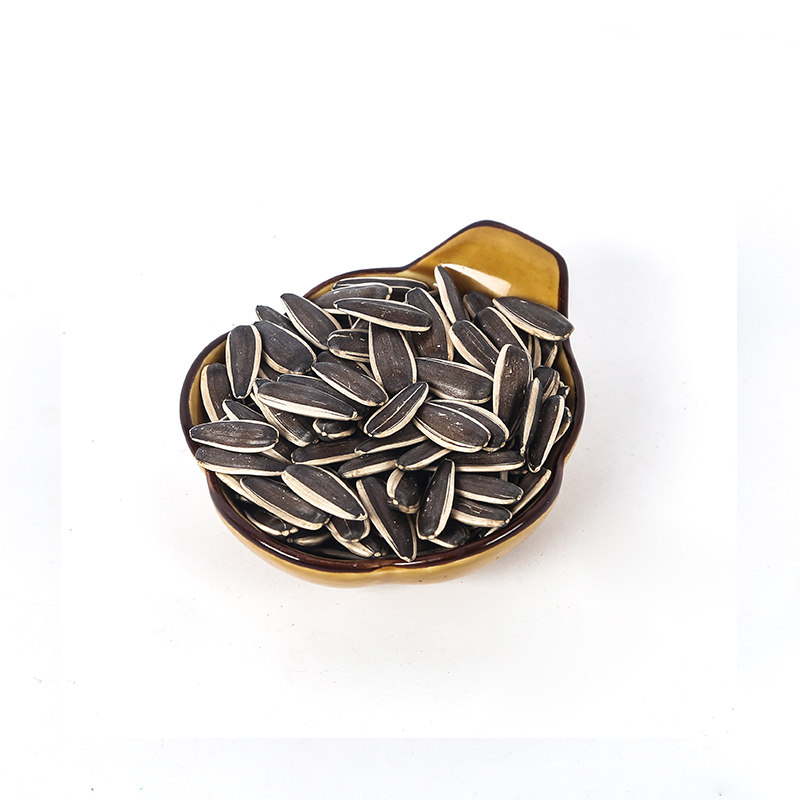
Bulk black sunflower seeds represent a critical component within the global edible seed market, serving as both a direct human food source and a significant input for oil extraction. This technical guide details the manufacturing, quality control, performance characteristics, potential failure modes, and maintenance considerations for bulk black sunflower seeds destined for industrial processing and consumption. The industrial chain positions these seeds between agricultural production and finished product manufacturing – encompassing harvesting, drying, dehulling, grading, optical sorting, and packaging. Core performance metrics revolve around oil content, protein levels, moisture content, and freedom from contaminants (foreign material, mycotoxins). Meeting stringent quality standards is paramount for maximizing oil yield and ensuring food safety, representing key pain points for both suppliers and processors.
Material Science & Manufacturing
Black sunflower seeds ( Helianthus annuus ) are comprised primarily of oil (40-50% by weight), protein (20-25%), carbohydrates (15-20%), and fiber (5-10%). The oil is rich in linoleic acid, an essential fatty acid. The seed hull, a byproduct of processing, is primarily cellulose and lignin. Manufacturing begins with harvesting, typically via combine harvesters. Critical parameters during harvest include minimizing mechanical damage to the seeds, which can initiate lipid oxidation. Post-harvest drying is essential, reducing moisture content from approximately 30% to 8-10% to inhibit microbial growth and enzymatic activity. This is commonly achieved using forced-air dryers, controlling air temperature (typically 40-60°C) and airflow rate to prevent cracking and maintain seed viability. Dehulling removes the outer hull, increasing oil content percentage and improving seed quality. This process often utilizes impact dehullers, followed by aspiration to separate the hulls. Grading and sorting based on size and density are then performed to standardize the product. Optical sorting technology is increasingly employed to remove discolored, broken, or foreign material seeds. Finally, seeds are packaged in airtight containers (e.g., polypropylene woven bags with polyethylene liners) to prevent moisture reabsorption and oxidation. Parameter control throughout includes continuous monitoring of moisture content, temperature, and foreign material content.
Performance & Engineering
The performance of black sunflower seeds is heavily influenced by their physical and chemical properties. Oil extraction efficiency is a primary engineering concern, driven by seed density, oil body size, and hull integrity. Force analysis during dehulling dictates the optimal impact force and clearance settings of dehulling machinery to maximize yield while minimizing seed damage. Environmental resistance, specifically moisture uptake, is critical during storage and transportation. High humidity can lead to increased moisture content, promoting mold growth (e.g., Aspergillus species) and mycotoxin production (e.g., aflatoxins). Packaging materials must therefore provide an effective moisture barrier. Compliance requirements are dictated by national and international food safety regulations, including limits on mycotoxin levels, pesticide residues, and heavy metal contamination. Functional implementation involves optimizing seed characteristics for specific applications. For example, seeds intended for oil extraction require higher oil content, while seeds for direct consumption benefit from larger kernel size and lower hull content. Proper storage conditions (cool, dry, and dark) are crucial to preserve seed quality and prevent degradation.
Technical Specifications
| Parameter | Unit | Specification | Test Method |
|---|---|---|---|
| Oil Content (Dry Basis) | % | ≥48.0 | Soxhlet Extraction (ASTM D823) |
| Protein Content (Dry Basis) | % | ≥22.0 | Kjeldahl Method (AOAC 920.87) |
| Moisture Content | % | ≤9.0 | Oven Drying (ISO 712) |
| Foreign Material | % | ≤1.0 | Visual Inspection (ICMS 71) |
| Broken Kernels | % | ≤3.0 | Sieve Analysis (AOSA Methods) |
| Aflatoxin B1 | ppb | ≤20 | HPLC (AOAC 999.04) |
Failure Mode & Maintenance
Failure modes in bulk black sunflower seeds primarily manifest as quality degradation. Lipid oxidation, evidenced by rancidity and decreased oil quality, is a common failure mechanism. This is accelerated by exposure to oxygen, light, and high temperatures. Another failure mode is fungal contamination, leading to mycotoxin production. This is exacerbated by high moisture content and inadequate storage conditions. Physical damage (cracking, chipping) during handling and processing can reduce oil yield and increase the proportion of fines. Delamination of the seed coat can occur due to excessive drying or mechanical stress. Maintenance strategies focus on preventative measures. Proper storage is paramount – maintaining low temperature (≤15°C) and humidity (≤65%). Regular monitoring of moisture content and mycotoxin levels is crucial. Implementing robust cleaning and sanitation procedures throughout the processing chain minimizes fungal contamination. Optimizing handling equipment and procedures reduces mechanical damage. Employing effective pest control measures prevents insect infestation, which can contribute to seed damage and contamination. Regular inspection of storage facilities for leaks or signs of moisture ingress is essential.
Industry FAQ
Q: What is the acceptable tolerance for Aflatoxin B1 in sunflower seeds intended for human consumption?
A: The acceptable tolerance for Aflatoxin B1 varies by country, but generally falls within the range of 20 ppb (parts per billion). Regulations in the European Union are particularly stringent, often requiring levels below 2 ppb for certain applications. Compliance with local regulations is critical, and regular testing is mandatory to ensure product safety.
Q: How does the moisture content of sunflower seeds impact their storage life?
A: Moisture content is a primary determinant of storage life. Higher moisture content promotes microbial growth (mold, bacteria) and enzymatic activity, leading to spoilage and mycotoxin production. Maintaining a moisture content of ≤9.0% is generally recommended for long-term storage. Proper drying and airtight packaging are essential for controlling moisture levels.
Q: What are the key differences between conventional and high-oleic sunflower seeds, and how do they affect oil processing?
A: Conventional sunflower seeds contain a mix of linoleic and oleic acids, while high-oleic seeds are genetically modified or bred to have a significantly higher proportion of oleic acid (typically >70%). High-oleic oil is more stable and resistant to oxidation, resulting in a longer shelf life. Processing high-oleic seeds requires less refining and produces a higher-quality oil with improved flavor and nutritional characteristics.
Q: What optical sorting technologies are commonly used for sunflower seeds, and what contaminants can they detect?
A: Color sorting and shape sorting are the most common optical sorting technologies. These systems utilize cameras and image processing algorithms to identify and remove discolored seeds, broken kernels, foreign material (stones, wood, plastic), and seeds of varying sizes. More advanced systems can detect aflatoxin contamination using hyperspectral imaging, but this technology is still relatively expensive.
Q: What is the recommended packaging material for long-term storage of bulk black sunflower seeds?
A: Polypropylene woven bags with polyethylene (PE) liners are commonly used for bulk packaging. The PE liner provides a moisture barrier, preventing reabsorption of humidity. The woven polypropylene offers strength and durability during transport and storage. Consider using bags with UV protection to minimize lipid oxidation. Vacuum sealing or modified atmosphere packaging (MAP) can further extend shelf life.
Conclusion
Bulk black sunflower seeds, while seemingly simple, present a complex set of challenges related to material science, manufacturing, and quality control. Maintaining optimal oil content, minimizing contamination, and ensuring long-term storage stability require meticulous attention to detail throughout the entire supply chain. The performance of these seeds is intrinsically linked to rigorous adherence to established industry standards and best practices.
Future advancements will likely focus on improved seed genetics (enhancing oil content and disease resistance), more sophisticated optical sorting technologies (detecting a wider range of contaminants), and sustainable packaging solutions (reducing environmental impact). Continued investment in research and development will be critical for maximizing the value and versatility of this important agricultural commodity.
