Introduction
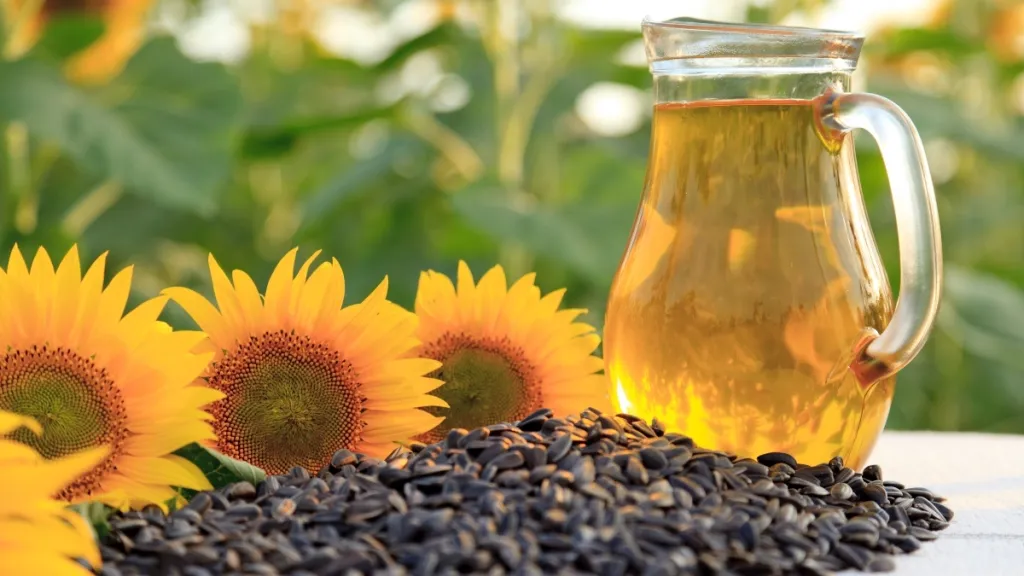
Bulk black sunflower seeds represent a significant commodity within the agricultural processing industry, primarily serving the snacking food, confectionery, and birdseed sectors. This technical guide details the characteristics, manufacturing processes, quality control parameters, potential failure modes, and industry standards associated with large-scale black sunflower seed production facilities. The increasing demand for healthy snacks and the growing popularity of sunflower seeds as a nutritional source drive the need for efficient and high-quality processing. This guide aims to provide a comprehensive overview for procurement managers, processing engineers, and quality assurance personnel involved in the sunflower seed supply chain. The key performance indicators for evaluating factories revolve around seed quality (oil content, hulling percentage, and foreign material), processing efficiency (throughput and yield), and adherence to food safety regulations.
Material Science & Manufacturing
Black sunflower seeds ( Helianthus annuus) differ from their standard counterparts primarily due to the pigmentation of the seed hull, resulting from melanins within the pericarp. This pigmentation does not significantly alter the internal composition, which comprises approximately 30-50% oil, 20-30% protein, 10-20% carbohydrates, and a balance of fiber and moisture. Raw material selection is paramount; seed quality is heavily influenced by growing conditions – soil composition, rainfall, and sunlight exposure. Post-harvest, the seeds undergo cleaning to remove debris, stalks, and damaged seeds. De-stoning and aspiration are critical steps. The primary manufacturing process involves drying to reduce moisture content to approximately 8-10%, preventing fungal growth and optimizing hulling efficiency. Hulling utilizes impact and friction methods; centrifugal hullers are common for large-scale operations. Hulling parameters, including impeller speed and feed rate, directly impact kernel damage. Sizing and grading separate seeds based on size and shape, removing broken kernels and foreign material. Color sorting, often employing optical sensors, further refines the product. Finally, seeds undergo packaging, typically in moisture-barrier bags to maintain freshness and prevent rancidity. Parameter control focuses on maintaining consistent seed moisture content throughout the process, precise calibration of hulling equipment to minimize kernel damage, and rigorous monitoring of foreign material content. Chemical compatibility considerations revolve around materials used in processing equipment – stainless steel is preferred to avoid metal contamination and corrosion.
Performance & Engineering
The performance of bulk black sunflower seeds and the facilities producing them is governed by several engineering principles. Force analysis is vital in hulling, determining the optimal impact force to remove the hull without damaging the kernel. This involves understanding the fracture mechanics of the hull and kernel interface. Environmental resistance is a key factor in storage and transportation; humidity and temperature fluctuations can accelerate lipid oxidation, leading to rancidity. Packaging materials with low oxygen transmission rates (OTR) and low water vapor transmission rates (WVTR) are crucial. Food safety compliance is non-negotiable. Factories must adhere to HACCP (Hazard Analysis and Critical Control Points) principles, implementing rigorous sanitation procedures and monitoring for contaminants like aflatoxins and pesticides. Further, maintaining appropriate temperature control during storage minimizes the risk of fungal growth and mycotoxin production. Equipment design must prioritize ease of cleaning and sanitation to prevent microbial contamination. Throughput optimization relies on minimizing bottlenecks in the processing line – efficient drying, precise hulling, and rapid sorting are essential. Yield is directly impacted by hulling efficiency and the minimization of kernel breakage. Equipment maintenance schedules must be strictly adhered to, focusing on wear parts in hullers and sorters to maintain performance and prevent contamination. The structural integrity of storage silos must also be regularly inspected.
Technical Specifications
| Parameter | Unit | Specification | Test Method |
|---|---|---|---|
| Moisture Content | % | ≤ 10.0 | Oven Drying (AOAC) |
| Oil Content | % | ≥ 40.0 | Soxhlet Extraction (AOCS) |
| Kernel Damage (Broken/Chipped) | % | ≤ 5.0 | Visual Inspection |
| Foreign Material | % | ≤ 1.0 | Visual Inspection / Sieving |
| Aflatoxin Level (B1) | ppb | ≤ 20 | HPLC (AOAC) |
| Hulling Percentage | % | ≥ 95.0 | Weight Difference |
Failure Mode & Maintenance
Failure modes in bulk black sunflower seed processing can be categorized into seed degradation, equipment failure, and contamination issues. Seed degradation manifests as rancidity due to lipid oxidation, often accelerated by improper storage conditions (high temperature and humidity). Kernel cracking during hulling contributes to increased fines and reduced yield. Equipment failure commonly involves wear and tear on hulling components (impellers, screens), leading to decreased efficiency and increased kernel damage. Bearing failure in motors and conveyors can cause downtime. Contamination can arise from metal fragments from worn equipment, microbial contamination due to inadequate sanitation, or the presence of foreign materials (stones, plant debris). Preventive maintenance is critical. Regular inspection and replacement of wear parts in hullers and sorters minimize downtime and maintain quality. Implementing a robust cleaning and sanitation program, including regular disinfection, prevents microbial growth. Lubrication schedules for bearings and moving parts reduce friction and extend component life. Temperature and humidity monitoring in storage facilities helps prevent seed degradation. Regular calibration of sorting equipment ensures accurate removal of foreign material. Failure analysis should be conducted on any significant deviations in product quality or equipment performance to identify root causes and implement corrective actions. The use of non-destructive testing methods, such as visual and ultrasonic inspection, can proactively identify potential equipment failures.
Industry FAQ
Q: What are the critical factors influencing the oil content in black sunflower seeds?
A: Oil content is heavily influenced by genetics, growing conditions (sunlight, temperature, and water availability), and seed maturity at harvest. Selecting high-oleic varieties and optimizing agricultural practices are key strategies to maximize oil yield. Post-harvest storage conditions also play a role; prolonged exposure to high temperatures can reduce oil quality.
Q: How do you ensure the prevention of aflatoxin contamination?
A: Aflatoxin prevention requires a multi-faceted approach. This includes sourcing seeds from regions with low aflatoxin risk, implementing strict quality control during harvesting and drying, maintaining proper storage conditions (low humidity and temperature), and utilizing effective cleaning and sorting techniques to remove contaminated seeds. Regular testing for aflatoxin levels is also essential.
Q: What is the optimal moisture content for long-term storage of hulled sunflower seeds?
A: The optimal moisture content for long-term storage of hulled sunflower seeds is generally below 8%. This minimizes the risk of fungal growth, rancidity, and insect infestation. Proper packaging with a moisture barrier is also crucial to maintain this low moisture level.
Q: What are the common causes of kernel damage during the hulling process?
A: Kernel damage is commonly caused by improper huller settings (excessive impact force or speed), uneven seed flow, and worn hulling components. Regular inspection and adjustment of hulling equipment, along with proper seed preparation (consistent moisture content), are essential to minimize damage.
Q: What are the key considerations when selecting materials for equipment in contact with sunflower seeds?
A: Materials in contact with sunflower seeds should be food-grade, non-reactive, and easy to clean and sanitize. Stainless steel is the preferred material due to its corrosion resistance, durability, and lack of toxicity. Polymers used should be approved for food contact and resistant to abrasion and chemical cleaning agents.
Conclusion
The successful operation of bulk black sunflower seed factories hinges on a complex interplay of material science, engineering principles, and stringent quality control measures. From the initial selection of raw materials and optimization of the hulling process to the implementation of robust sanitation protocols and adherence to international food safety standards, every stage demands meticulous attention to detail. Understanding the potential failure modes – seed degradation, equipment malfunction, and contamination – is paramount for proactive maintenance and ensuring product integrity.
Looking ahead, advancements in optical sorting technology, coupled with the development of more robust and efficient hulling machinery, will continue to drive improvements in yield and quality. Emphasis on sustainable agricultural practices and the reduction of waste streams will also become increasingly important. The ability to consistently deliver high-quality, safe, and nutritious black sunflower seeds will be crucial for manufacturers to remain competitive in the evolving global market.
