Introduction
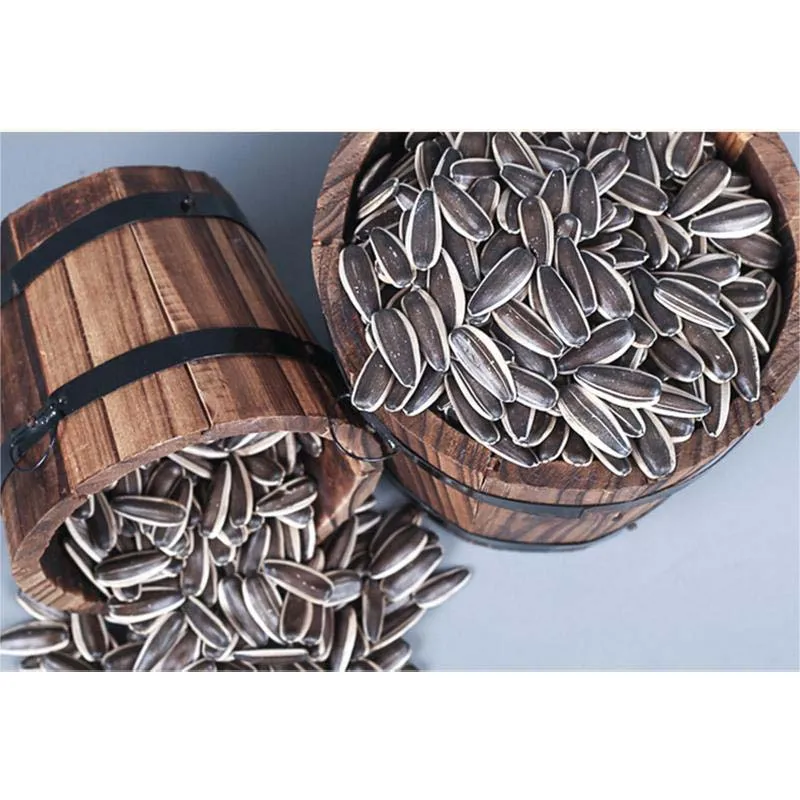
Black sunflower seeds (Helianthus annuus) for export represent a specialized segment within the global oilseed market. These seeds, characterized by their dark pericarp, are distinct from confectionery sunflower seeds in terms of composition and primary applications. The industry chain begins with agricultural production, progressing through harvesting, cleaning, grading, drying, and finally, packaging for bulk export. Core performance characteristics critical to exporters include oil content, protein content, hull percentage, moisture content, and absence of mycotoxins and foreign material. The demand for black sunflower seeds is predominantly driven by the animal feed industry, particularly for poultry and livestock, and increasingly by the emerging market for black sunflower seed oil, valued for its color and specific fatty acid profile. Maintaining consistency in these parameters is paramount for securing long-term contracts and adhering to stringent international import regulations.
Material Science & Manufacturing
The primary raw material, black sunflower seeds, is a biological product subject to inherent variability. The seed consists of a hull (pericarp), kernel, and embryo. The hull comprises approximately 20-30% of the seed mass and is composed primarily of cellulose and lignin, influencing the seed's resistance to mechanical damage and moisture absorption. The kernel, containing the oil and protein, is crucial. Oil content typically ranges from 40-50%, consisting primarily of linoleic acid (around 60-70%), oleic acid (around 20-30%), and palmitic acid. Protein content ranges from 18-26%, consisting of essential amino acids vital for animal nutrition. Manufacturing begins with harvesting at optimal maturity (typically indicated by the back of the seed head turning yellow-brown). Mechanical harvesting is common, followed by cleaning to remove debris (stalks, leaves, stones). Drying is critical, reducing moisture content to 8-10% to inhibit microbial growth and maintain oil quality. This is typically achieved using forced-air dryers, with temperature control vital to prevent protein denaturation. Grading is based on seed size, kernel content, and the presence of damaged or foreign material. Parameter control during drying – temperature, airflow, and duration – significantly influences oil quality (peroxide value, acidity) and seed viability. Storage conditions (temperature, humidity, aeration) are equally important to prevent rancidity and mycotoxin contamination.
Performance & Engineering
Performance assessment for bulk black sunflower seed exports hinges on several engineering considerations. Firstly, bulk density impacts storage capacity and transportation costs. Typical bulk density ranges from 600-700 kg/m³, but varies with seed variety and moisture content. Force analysis during handling (loading, unloading, conveying) must account for seed fragility to minimize kernel breakage. Seed impact resistance is crucial, particularly during pneumatic conveying systems. Environmental resistance, specifically moisture absorption, is a major concern. High humidity can lead to caking, reduced flowability, and increased susceptibility to microbial growth. Packaging materials (typically polypropylene woven bags) must provide adequate moisture barriers. Compliance requirements are extensive. Regulations from importing countries stipulate maximum allowable levels of mycotoxins (aflatoxins, ochratoxin A), pesticide residues, and heavy metals. Furthermore, phytosanitary certificates are mandatory to prevent the spread of plant diseases. The oil extraction yield, a key indicator of seed quality, is influenced by seed composition and pre-treatment processes. Ensuring consistent oil yield is a critical performance metric for exporters, often requiring rigorous quality control throughout the supply chain. Mechanical damage during harvesting and handling leads to increased free fatty acid content, reducing oil quality and extraction efficiency.
Technical Specifications
| Parameter | Unit | Specification (Typical Range) | Testing Method |
|---|---|---|---|
| Oil Content (Dry Basis) | % | 40 – 50 | Soxhlet Extraction (ISO 6593) |
| Protein Content (Dry Basis) | % | 18 – 26 | Kjeldahl Method (ISO 1871) |
| Moisture Content | % | 8 – 10 | Oven Drying Method (ISO 712) |
| Hull Percentage | % | 20 – 30 | Manual Separation & Weighing |
| Foreign Matter | % | ≤ 1 | Visual Inspection (GB/T 531) |
| Aflatoxin B1 | µg/kg | ≤ 2 | HPLC (EN 16215) |
Failure Mode & Maintenance
Failure modes in bulk black sunflower seeds during export and storage are diverse. Lipid Oxidation (Rancidity): This is a primary concern, leading to off-flavors and reduced oil quality. It’s accelerated by exposure to oxygen, light, and heat. Mycotoxin Contamination: Aflatoxins, produced by Aspergillus fungi, are a serious risk, particularly in humid conditions. Proper drying and storage are crucial for prevention. Mechanical Damage: Kernel breakage during harvesting, handling, and transport reduces oil yield and increases susceptibility to oxidation. Gentle handling procedures and appropriate equipment are essential. Insect Infestation: Storage pests can damage seeds, leading to weight loss and contamination. Effective pest control measures are necessary. Moisture Absorption: High humidity causes caking, reduced flowability, and promotes microbial growth. Proper packaging and climate-controlled storage are vital. Maintenance focuses on preventative measures: thorough cleaning of harvesting and handling equipment, regular monitoring of storage conditions (temperature, humidity, CO2 levels), adherence to strict hygiene protocols, and periodic testing for mycotoxins and oil quality parameters. Implementing a robust quality management system (ISO 9001) is critical for minimizing failures and ensuring consistent product quality. Regular inspections of seed lots during storage can detect early signs of deterioration.
Industry FAQ
Q: What are the primary factors influencing the price volatility of black sunflower seeds?
A: Price volatility is driven by several interconnected factors. Weather patterns in major producing regions (e.g., Ukraine, Russia, Argentina) significantly impact yields. Global demand for vegetable oils, particularly palm oil and soybean oil, indirectly affects sunflower seed prices. Exchange rate fluctuations, particularly between the US dollar and local currencies, play a role. Geopolitical events, such as conflicts or trade restrictions, can disrupt supply chains and cause price spikes. Finally, speculative trading in commodity markets can also contribute to price fluctuations.
Q: How do different packaging materials impact the shelf life of exported black sunflower seeds?
A: Polypropylene (PP) woven bags are the most common packaging material, but their moisture barrier properties are limited. Using a polyethylene (PE) liner within the PP bag significantly improves moisture resistance. For extended storage, multi-layer bags incorporating aluminum foil or metallized films offer superior barrier properties against moisture, oxygen, and light. Vacuum packaging or modified atmosphere packaging (MAP) with nitrogen flushing can further extend shelf life by reducing oxidation.
Q: What are the key differences in quality control procedures for seeds destined for animal feed versus oil extraction?
A: Seeds for animal feed require stringent control of mycotoxin levels, foreign matter, and overall sanitary conditions. Protein content is a primary quality parameter. Seeds for oil extraction prioritize oil content, free fatty acid levels, and kernel soundness. Damage to the kernel, while acceptable for feed, can significantly reduce oil yield and quality. Testing protocols differ accordingly, with a greater emphasis on oil quality parameters for oil extraction.
Q: What documentation is typically required for customs clearance when exporting black sunflower seeds?
A: Standard documentation includes a commercial invoice, packing list, bill of lading, phytosanitary certificate, certificate of origin, and a quality analysis report (detailing oil content, protein content, moisture content, and mycotoxin levels). Depending on the importing country, additional documents may be required, such as import permits or health certificates. Compliance with import regulations is crucial for smooth customs clearance.
Q: How can exporters mitigate the risk of aflatoxin contamination in black sunflower seeds?
A: Mitigation starts with selecting disease-resistant seed varieties. Proper harvesting at optimal maturity is critical. Rapid and thorough drying to reduce moisture content to 8-10% is essential. Careful storage in clean, dry, and well-ventilated facilities is paramount. Implementing a robust quality control program with regular testing for aflatoxins is crucial. Using antifungal treatments, where permitted by regulations, can provide additional protection. Avoiding damage to the seed during handling minimizes entry points for fungal infection.
Conclusion
The successful export of bulk black sunflower seeds relies on a meticulous understanding of the interplay between agricultural science, material properties, and engineering principles. Maintaining consistently high quality, adhering to stringent international regulations, and implementing robust quality control measures are not merely best practices, but fundamental requirements for securing market share and building a sustainable export business. The industry faces ongoing challenges related to climate change, fluctuating commodity prices, and evolving food safety standards.
Future trends point towards increased demand for high-oleic black sunflower seeds for specialized oil applications and a growing emphasis on sustainable and traceable supply chains. Exporters who invest in advanced drying and storage technologies, prioritize traceability systems, and proactively address environmental concerns will be best positioned to capitalize on these emerging opportunities. Continuous improvement in quality control and a commitment to responsible sourcing will be critical for long-term success.
