Introduction
Black sunflower seeds, Helianthus annuus, represent a significant commodity in the global oilseed market, specifically within the export sector. This technical guide details the properties, processing, quality control, and potential degradation pathways of bulk black sunflower seeds intended for export. Unlike confectionary sunflower seeds, black sunflower seeds are primarily destined for oil extraction, livestock feed, or industrial applications. Their inherent characteristics – high oil content, protein levels, and linoleic acid composition – dictate stringent requirements throughout the supply chain, from post-harvest handling to long-term storage and international transport. The industry faces key challenges related to maintaining seed viability, preventing aflatoxin contamination, and adhering to diverse import regulations regarding moisture content, foreign material, and genetic modification status. This document provides a comprehensive overview for exporters, importers, and quality control personnel involved in the global black sunflower seed trade.
Material Science & Manufacturing
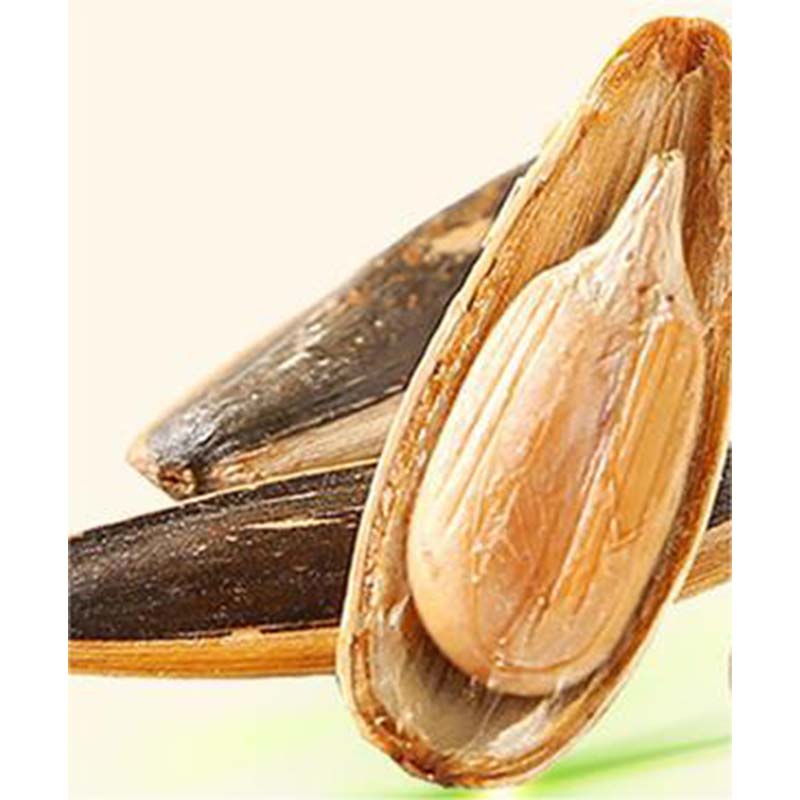
Black sunflower seeds comprise approximately 40-50% oil, 20-28% protein, 15-20% hull (or husk), and 5-10% moisture. The oil itself is rich in linoleic acid (around 60-70%), followed by oleic acid (20-30%). The seed hull consists primarily of cellulose and lignin, providing structural integrity. The kernel, or meat, contains significant levels of phospholipids, waxes, and pigments. Manufacturing begins with harvesting, typically employing combine harvesters. Post-harvest processing includes cleaning to remove debris (stalks, leaves, stones), drying to reduce moisture content to a stable level (typically 9-10%), and dehulling (optional, depending on end use). Drying is critical, employing forced-air systems with precise temperature control (typically below 45°C) to prevent protein denaturation and oil oxidation. Dehulling involves mechanical abrasion, separating the kernel from the hull. Kernel damage during dehulling must be minimized as it increases susceptibility to microbial growth and lipid peroxidation. Seed grading is performed based on size, density, and the presence of foreign material. Quality control relies on sophisticated optical sorting technologies and laboratory analysis of oil content, protein content, moisture levels, and aflatoxin presence. Proper storage is paramount; seeds are typically stored in silos or warehouses with controlled temperature and humidity. Aeration systems are used to maintain uniform temperature and prevent moisture buildup. Parameter control, particularly of drying temperature and storage humidity, is the foremost preventative measure for maintaining seed quality.
Performance & Engineering
The performance of black sunflower seeds is assessed by a range of parameters relevant to their intended application. For oil extraction, oil yield is the primary metric. This is influenced by seed density, kernel size, and oil content. Mechanical integrity is crucial during handling and processing; seeds must withstand impacts and abrasion without excessive fracturing. Storage stability, particularly resistance to rancidity, is paramount. This is governed by the seed’s antioxidant capacity and susceptibility to lipid oxidation, affected by factors such as moisture content, temperature, and exposure to oxygen. For feed applications, digestibility and nutrient bioavailability are key considerations. The protein quality and amino acid profile of the seed meal are critical for livestock nutrition. Engineering considerations include the design of storage facilities to minimize moisture ingress and pest infestation, the optimization of drying processes to maximize efficiency and minimize seed damage, and the implementation of effective cleaning and sorting systems to remove foreign material. The potential for dust explosion during handling of dried seeds is also an important safety consideration; appropriate ventilation and grounding systems are essential. Furthermore, understanding the impact of seed variety on oil composition (e.g., high oleic vs. linoleic) is vital for tailoring products to specific market requirements.
Technical Specifications
| Parameter | Unit | Specification (Typical Export Grade) | Test Method |
|---|---|---|---|
| Moisture Content | % | 9.0 – 10.0 | ASTM D97 |
| Oil Content (Dry Basis) | % | 48.0 – 52.0 | Soxhlet Extraction (AOCS Official Method) |
| Protein Content (Dry Basis) | % | 20.0 – 25.0 | Kjeldahl Method (AOCS Official Method) |
| Foreign Material (FM) | % | ≤ 1.0 | Visual Inspection & Sieving |
| Broken Kernels & Hull Fragments | % | ≤ 3.0 | Visual Inspection & Sieving |
| Aflatoxin B1 | ppb | ≤ 5 | ELISA or HPLC |
Failure Mode & Maintenance
Black sunflower seeds are susceptible to several failure modes during storage and transport. Microbial growth, particularly mold contamination leading to aflatoxin production, is a significant concern. This is exacerbated by high moisture content and inadequate ventilation. Lipid oxidation (rancidity) occurs due to exposure to oxygen and elevated temperatures, resulting in a decline in oil quality and undesirable flavors. Insect infestation, by storage pests such as Sitophilus granarius (grain weevil), can lead to significant seed damage and contamination. Physical damage, such as cracking and fracturing during handling, increases susceptibility to moisture absorption and microbial attack. Maintenance strategies include implementing robust cleaning and drying protocols, maintaining optimal storage conditions (temperature < 25°C, relative humidity < 65%), employing aeration systems to ensure uniform temperature and humidity distribution, regular pest monitoring and control, and implementing a first-in, first-out (FIFO) stock rotation system. For oil extraction facilities, regular cleaning and maintenance of processing equipment are essential to prevent contamination and maintain optimal oil yield. Preventative treatment with approved grain protectants may be employed, adhering to relevant regulatory standards. Periodic laboratory analysis to monitor oil quality (peroxide value, acidity) is crucial for detecting the onset of rancidity.
Industry FAQ
Q: What is the acceptable level of aflatoxin in black sunflower seeds for export to the European Union?
A: The European Union (EU) has stringent regulations regarding aflatoxin levels. For black sunflower seeds, the maximum permissible level of total aflatoxins (B1, B2, G1, G2) is 2 ppb. Aflatoxin B1, the most potent toxin, has a specific limit of 5 ppb. Exporters must provide a certificate of analysis from an accredited laboratory demonstrating compliance with these limits.
Q: How does moisture content affect the storage life of black sunflower seeds?
A: Moisture content is the most critical factor influencing storage life. Above 10%, the risk of microbial growth and lipid oxidation increases exponentially. Maintaining a moisture content between 9.0% and 10.0% significantly extends shelf life. Higher moisture levels necessitate refrigerated storage and may still result in quality degradation.
Q: What methods are used to determine the oil content of black sunflower seeds?
A: The most accurate and widely accepted method for determining oil content is Soxhlet extraction, as described in AOCS (American Oil Chemists’ Society) official methods. Near-infrared (NIR) spectroscopy is a rapid and non-destructive alternative, providing acceptable accuracy for routine quality control, but requires calibration against Soxhlet extraction results.
Q: What are the implications of high free fatty acid (FFA) content in black sunflower seeds?
A: High FFA content indicates lipid hydrolysis, a sign of degradation and rancidity. This reduces oil quality and impacts the efficiency of oil extraction. Elevated FFA levels can also create processing challenges, such as increased refining costs and reduced oil stability. It's typically indicative of improper storage conditions or prolonged storage duration.
Q: What documentation is typically required for the international export of black sunflower seeds?
A: Standard documentation includes a commercial invoice, packing list, bill of lading, certificate of origin, and a phytosanitary certificate confirming the seeds are free from regulated pests and diseases. A certificate of analysis demonstrating compliance with import regulations regarding moisture content, oil content, aflatoxin levels, and other relevant parameters is also typically required.
Conclusion
The successful export of bulk black sunflower seeds hinges on a meticulous understanding of their material properties, manufacturing processes, and potential degradation pathways. Maintaining optimal moisture content, implementing effective storage protocols, and adhering to stringent quality control measures are paramount for preserving seed viability and meeting international standards. Addressing the challenges associated with aflatoxin contamination and lipid oxidation requires a proactive approach, encompassing preventative measures throughout the entire supply chain.
Future trends in the industry are likely to focus on developing sunflower varieties with enhanced oil quality and improved storage stability. Advancements in drying and storage technologies, coupled with more sensitive and rapid analytical methods for quality assessment, will further enhance the efficiency and reliability of the black sunflower seed export trade. Continuous monitoring of evolving import regulations and proactive adaptation to market demands will be crucial for maintaining a competitive edge.
