Introduction
Black sunflower seeds (Helianthus annuus) represent a significant commodity in the global agricultural market, particularly within the food processing and animal feed industries. Factories specializing in the sale of these seeds operate as a critical link in the supply chain, processing raw agricultural output into a marketable product. This guide provides a comprehensive technical overview of black sunflower seeds, focusing on aspects relevant to procurement managers, quality control engineers, and manufacturing personnel involved in the trade and processing of this agricultural product. Core performance characteristics center around oil content, protein levels, hulling percentage, and overall seed integrity – all critical determinants of value and end-use application. The industry faces key pain points including maintaining consistent seed quality across varying harvests, mitigating aflatoxin contamination, optimizing hulling efficiency to reduce waste, and ensuring traceability throughout the supply chain to meet increasingly stringent food safety regulations.
Material Science & Manufacturing
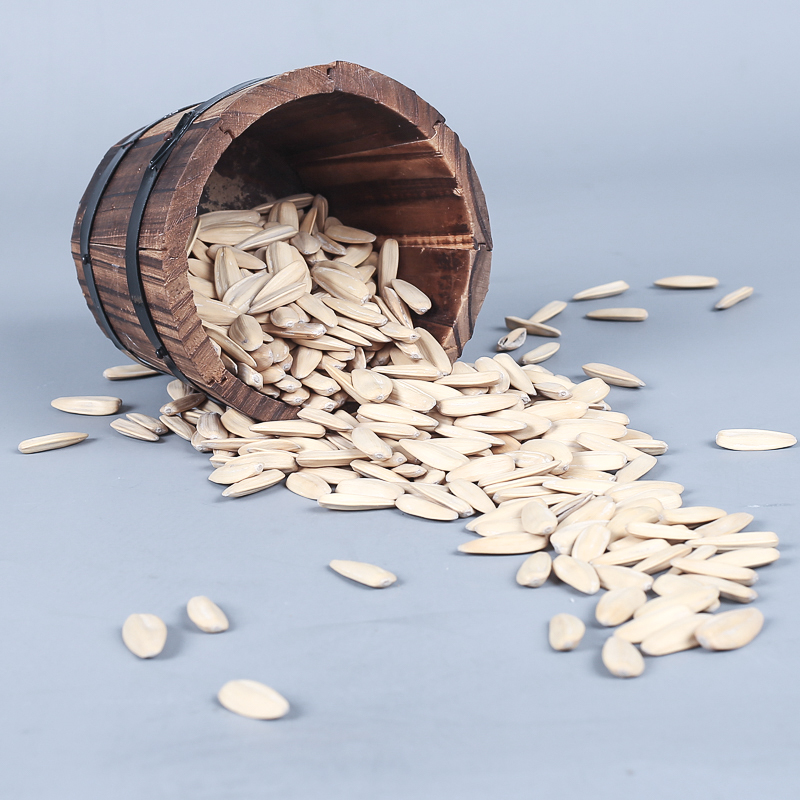
Black sunflower seeds are composed primarily of an oil-rich kernel surrounded by a hull (pericarp). The kernel's oil content typically ranges from 40-55%, consisting primarily of linoleic acid (an omega-6 fatty acid) and oleic acid (an omega-9 fatty acid). Protein content varies between 18-25%, primarily globulins and albumin proteins. The hull is composed of cellulose, hemicellulose, and lignin, providing structural integrity. Raw material quality begins with the genetics of the sunflower variety – confectionary varieties are bred for larger kernel size and easier hulling. Manufacturing processes include cleaning (removal of debris, stems, and leaves), drying (to a moisture content of approximately 9-10% for safe storage), dehulling (mechanical removal of the hull, impacting oil yield and kernel damage), grading (based on size and quality), and sorting (removing broken or damaged seeds). Critical parameters in dehulling include roller pressure, feed rate, and abrasion surface material. Moisture content significantly affects hulling efficiency; excessively dry seeds become brittle and fracture, while excessively moist seeds are difficult to separate. Seed coating with polymers or waxes is sometimes employed to improve flowability during processing and reduce dust generation. Proper storage conditions (temperature control, low humidity, pest control) are essential to prevent rancidity and maintain seed viability.
Performance & Engineering
Performance assessment of black sunflower seeds involves analyzing several key engineering parameters. The compressive strength of the kernel is vital for withstanding processing forces during hulling and oil extraction. Kernel hardness, measured using a penetrometer, correlates with oil content and resistance to cracking. Flowability, measured by angle of repose, influences processing efficiency and is affected by seed size, shape, and surface characteristics. Thermal stability is critical for storage and transportation; prolonged exposure to high temperatures can lead to lipid oxidation and reduced oil quality. Aflatoxin contamination, caused by Aspergillus flavus and Aspergillus parasiticus fungi, is a major concern, necessitating stringent quality control measures. Engineering solutions for aflatoxin mitigation include pre-harvest fungal control, proper drying techniques, and post-harvest treatment with food-grade absorbents. Environmental resistance focuses on protecting seeds from insect infestation and microbial growth. Seed treatment with insecticides and fungicides is common, but adherence to regulatory limits is crucial. Packaging materials also play a role in environmental resistance, providing barriers against moisture, oxygen, and pests. Compliance requirements include adherence to food safety standards set by organizations like the FDA (US), EFSA (Europe), and relevant national regulatory bodies.
Technical Specifications
| Parameter | Units | Typical Value (Confectionary Grade) | Typical Value (Oilseed Grade) |
|---|---|---|---|
| Oil Content | % (dry weight basis) | 50-55 | 40-45 |
| Protein Content | % (dry weight basis) | 22-25 | 18-22 |
| Kernel Size (Diameter) | mm | 16-20 | 14-18 |
| Hull Percentage | % (weight basis) | 20-25 | 28-35 |
| Moisture Content | % | 9-10 | 9-10 |
| Aflatoxin Level (B1, B2, G1, G2) | ppb | < 4 ppb (total) | < 20 ppb (total) |
Failure Mode & Maintenance
Failure modes in black sunflower seeds typically manifest as quality degradation during storage and processing. Rancidity, caused by lipid oxidation, is a common failure, resulting in off-flavors and reduced nutritional value. This is accelerated by exposure to oxygen, light, and high temperatures. Physical damage during handling and processing (cracking, chipping, abrasion) reduces seed integrity and market value. Insect infestation and microbial growth can lead to spoilage and aflatoxin contamination. Hulling damage can result in increased oil loss and fines generation. Maintenance strategies include implementing proper storage protocols (temperature and humidity control, pest control), employing gentle handling techniques during processing, utilizing appropriate packaging materials (oxygen barriers, moisture barriers), and implementing a robust quality control program to monitor aflatoxin levels and other contaminants. Regular cleaning of processing equipment is essential to prevent cross-contamination and microbial growth. Seed coating can provide a protective barrier against moisture and pests. Predictive maintenance on dehulling equipment, focusing on roller wear and alignment, can minimize kernel damage.
Industry FAQ
Q: What is the impact of seed moisture content on hulling efficiency and kernel damage?
A: Seed moisture content is critically important. If moisture content is too low (below 8%), the seeds become brittle and prone to cracking during hulling, resulting in increased fines and oil loss. Conversely, if moisture content is too high (above 11%), the hulls become difficult to separate from the kernels, leading to incomplete hulling and reduced efficiency. Optimal moisture content for hulling is generally between 9-10%.
Q: How do different sunflower varieties influence oil yield and kernel size?
A: Different sunflower varieties are bred for specific traits. Confectionary varieties typically have larger kernel sizes and higher oil content compared to oilseed varieties. Hybrid varieties often exhibit improved oil yield and disease resistance. The genetic composition of the seed directly impacts the oil profile (ratio of linoleic to oleic acid), which influences its suitability for different applications.
Q: What are the most effective methods for mitigating aflatoxin contamination in black sunflower seeds?
A: Aflatoxin mitigation requires a multi-faceted approach. Pre-harvest control strategies include selecting resistant varieties and implementing proper irrigation and fertilization practices. Post-harvest measures include rapid and thorough drying of the seeds to reduce moisture content, proper storage in cool, dry conditions, and the use of food-grade absorbents (like bentonite clay) to bind aflatoxins. Regular testing for aflatoxin levels is crucial.
Q: What packaging materials are recommended for long-term storage of black sunflower seeds?
A: For long-term storage, packaging materials with excellent barrier properties are essential. Multi-layer bags incorporating polyethylene (PE), aluminum foil, and polypropylene (PP) provide effective protection against moisture, oxygen, and light. Vacuum sealing or nitrogen flushing can further reduce oxygen levels and extend shelf life. The packaging material should also be resistant to puncture and tearing.
Q: What quality control parameters should be routinely monitored during the processing of black sunflower seeds?
A: Key quality control parameters include moisture content, oil content, protein content, kernel size distribution, hull percentage, aflatoxin levels, broken kernel percentage, foreign matter content, and visual inspection for defects. Regular calibration of analytical equipment is essential for accurate results. Statistical process control (SPC) methods can be used to identify and address process variations.
Conclusion
Black sunflower seed processing demands a comprehensive understanding of the material's inherent properties and the intricacies of each manufacturing stage. Maintaining optimal moisture content, employing appropriate hulling techniques, and rigorously controlling for aflatoxin contamination are paramount to producing a high-quality product. The technical specifications outlined herein serve as a crucial benchmark for evaluating seed quality and ensuring compliance with industry standards.
Future developments in black sunflower seed processing will likely focus on optimizing hulling efficiency through advanced sensor technologies and machine learning algorithms, as well as developing novel seed coatings to enhance storage stability and reduce reliance on chemical treatments. Continued research into aflatoxin mitigation strategies and the breeding of aflatoxin-resistant varieties will also be essential for ensuring food safety and maximizing the economic value of this important agricultural commodity.
