Introduction
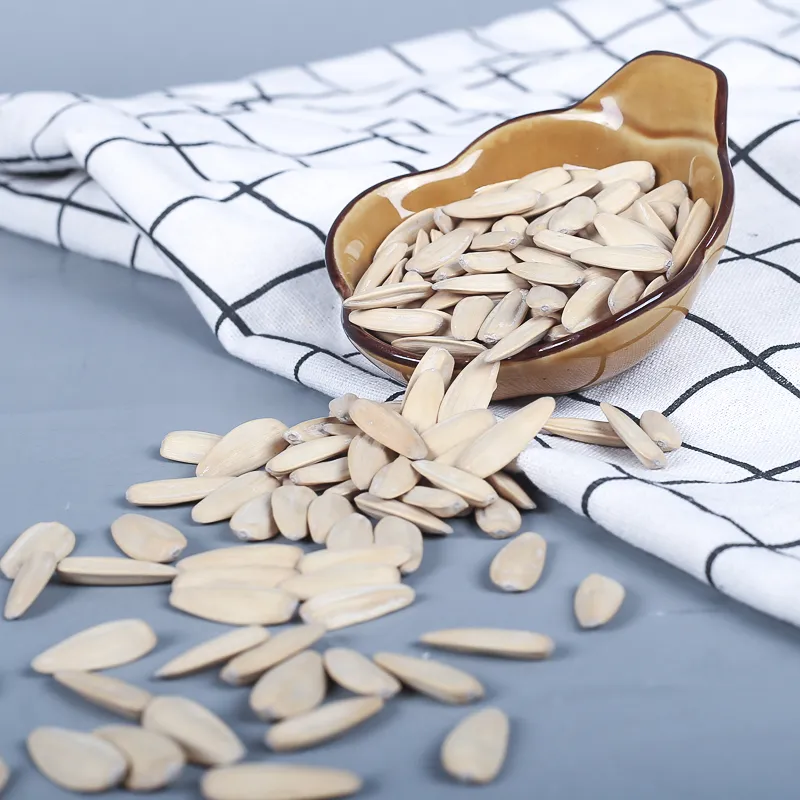
Black strip sunflower seeds, Helianthus annuus, represent a specialized segment of the sunflower seed market, primarily focused on confectionery applications and bird feed. These seeds are characterized by a distinct dark stripe along the seed hull, a result of pigmentation and genetics. From an industrial standpoint, suppliers operate within an agricultural commodity chain that spans breeding, cultivation, harvesting, processing (dehulling, grading, drying), and distribution. Key performance indicators for suppliers revolve around seed oil content, kernel weight, hulling percentage, moisture content, and absence of defects such as insect damage or mycotoxin contamination. The global market is driven by consumer demand for healthy snacks and the increasing popularity of bird feeding as a recreational activity. The industry faces challenges related to climate variability, disease pressure in sunflower crops, and maintaining consistent quality control throughout the supply chain. Understanding these aspects is crucial for both producers and procurement managers.
Material Science & Manufacturing
The primary raw material, the sunflower head, consists of approximately 30-40% seed by weight. The seed itself is composed of three main components: the hull (pericarp, approximately 20-30% of seed weight), the kernel (cotyledon, approximately 60-70%), and the embryo (approximately 5-10%). The hull's composition is primarily cellulose, hemicellulose, and lignin, providing structural integrity. Kernel composition centers on triglycerides (lipids, 40-60%), proteins (18-25%), carbohydrates (10-15%), and minor components including vitamins, minerals, and phenolic compounds. The black stripe is due to anthocyanin pigments concentrated within the hull.
Manufacturing begins with harvesting, ideally at 9-12% moisture content. This is followed by drying to reduce moisture to 8-9% to prevent mold growth and ensure storage stability. Dehulling is a critical process using impact or friction-based methods. Impact dehulling uses controlled collisions to crack the hull, while friction dehulling employs rotating surfaces. Parameter control is vital during dehulling to minimize kernel damage. Grading is performed based on kernel size and weight, using screens and air separators. Color sorting is employed to remove discolored or damaged seeds. Optical sorters using cameras and algorithms identify and reject defective seeds. Finally, seeds are packaged in moisture-barrier bags (typically multi-layer polyethylene or polypropylene) to maintain quality during transportation and storage. Post-harvest processing, including cleaning and sorting, relies heavily on calibrated machinery and rigorous quality control checkpoints. Seed oil extraction, while not typically performed by primary suppliers of confectionery seeds, is a downstream process that influences overall market dynamics.
Performance & Engineering
Seed performance is primarily dictated by oil content, which ranges from 42-58% depending on the variety. Oil quality is assessed by fatty acid profile (oleic, linoleic, palmitic acids), with a higher oleic acid content being desirable for improved oxidative stability. Kernel hardness is an important engineering property, influencing hulling efficiency and minimizing breakage. The tensile strength of the hull is relevant to its resistance to cracking during processing. Hulling percentage, the ratio of kernel weight to seed weight, is a key metric for evaluating processing efficiency. Environmental resistance considers the seed's ability to withstand temperature fluctuations and humidity variations during storage and transportation. Storage stability is crucial; maintaining low moisture content and proper packaging is paramount to prevent rancidity and mold growth. Compliance requirements include adherence to food safety regulations (e.g., FDA in the US, EFSA in Europe) regarding mycotoxin levels (aflatoxins, ochratoxins) and pesticide residues. These regulations necessitate stringent quality control procedures throughout the supply chain. Force analysis during dehulling operations seeks to optimize impact or friction forces to maximize kernel recovery and minimize damage.
Technical Specifications
| Parameter | Unit | Typical Range | Test Method |
|---|---|---|---|
| Oil Content | % (dry basis) | 48-55 | Soxhlet Extraction (AOCS Official Method) |
| Kernel Weight | grams | 0.4-0.7 | Gravimetric Analysis (Sample of 100 kernels) |
| Hulling Percentage | % | 55-65 | Weight Difference Before & After Dehulling |
| Moisture Content | % | 8-9 | Oven Drying (AOCS Official Method) |
| Free Fatty Acids (FFA) | % oleic acid | <0.5 | Titration (AOCS Official Method) |
| Aflatoxin B1 | ppb | <20 | HPLC (High-Performance Liquid Chromatography) |
Failure Mode & Maintenance
Failure modes for sunflower seeds relate to both the seeds themselves and the packaging integrity. Kernel cracking during dehulling is a common issue, often stemming from excessive impact force or improper machine calibration. Rancidity, caused by lipid oxidation, is a major degradation pathway, accelerated by high temperatures, light exposure, and oxygen presence. Mycotoxin contamination, particularly by Aspergillus species, can occur during pre-harvest or post-harvest stages if proper drying and storage conditions are not maintained. Insect infestation (e.g., grain weevils) can lead to seed damage and quality loss. Hull discoloration can occur due to improper drying or storage conditions. Packaging failure, such as punctures or tears, compromises moisture barrier properties and accelerates degradation.
Maintenance solutions involve optimizing dehulling parameters (impact force, feed rate) and regular machinery calibration. Implementing effective pest control measures in storage facilities is crucial. Maintaining consistent temperature and humidity control during storage is essential. Utilizing moisture-barrier packaging materials and proper sealing techniques prevents moisture ingress and oxygen exposure. Regular quality control checks for mycotoxins and FFA levels are necessary. Seed treatments with antifungal agents (where permissible by regulations) can reduce the risk of mold growth. Adopting a first-in, first-out (FIFO) inventory management system minimizes storage duration. For suppliers, preventative maintenance schedules for processing equipment and ongoing employee training on quality control protocols are critical.
Industry FAQ
Q: What are the key factors influencing oil content in black strip sunflower seeds?
A: Oil content is primarily determined by genetics (sunflower variety), growing conditions (temperature, rainfall, sunlight), and maturity at harvest. Higher temperatures and adequate rainfall during seed fill generally result in higher oil content. Proper nitrogen fertilization also plays a role. The specific cultivar selected is the single most impactful factor.
Q: How do you ensure compliance with mycotoxin regulations (specifically aflatoxins)?
A: We implement a comprehensive quality control program, beginning with sourcing seeds from reputable growers with established good agricultural practices. Regular testing for aflatoxins is conducted using HPLC at multiple stages: pre-dehulling, post-dehulling, and prior to shipment. We adhere to strict acceptance criteria based on regulatory limits (e.g., FDA, EU regulations). Proper drying and storage conditions are maintained to minimize mold growth.
Q: What is the impact of hulling percentage on the overall cost-effectiveness of the supply chain?
A: Hulling percentage directly impacts yield and processing costs. A higher hulling percentage translates to more kernels per unit of seed, reducing waste and lowering production costs. We continuously optimize our dehulling process to maximize hulling percentage while minimizing kernel damage.
Q: Can you provide information on the packaging materials used and their barrier properties?
A: We utilize multi-layer packaging films composed of polyethylene and polypropylene, specifically designed for food-grade applications. These films provide excellent moisture barrier properties (WVTR < 3 g/m²/24h) and oxygen barrier properties (OTR < 2 cm³/m²/24h). The packaging is also designed to protect against light exposure and physical damage during transportation and storage.
Q: What procedures do you have in place for traceability and quality control throughout the supply chain?
A: We maintain a robust traceability system, tracking seeds from the farm to the final product. Each batch of seeds is assigned a unique lot number, allowing us to trace its origin and processing history. Quality control checks are performed at each stage, including visual inspection, moisture content analysis, oil content analysis, and mycotoxin testing. Detailed records are maintained for all quality control data.
Conclusion
Black strip sunflower seed supply is a complex undertaking demanding meticulous attention to agricultural practices, post-harvest processing, and stringent quality control. Maintaining optimal oil content, minimizing kernel damage during dehulling, and ensuring compliance with stringent food safety regulations are paramount. Suppliers must invest in advanced processing technologies and robust quality assurance systems to meet the evolving demands of the confectionery and bird feed markets.
Future trends in the industry will likely focus on breeding for improved oil content and disease resistance, developing more efficient dehulling technologies, and implementing sustainable agricultural practices. Continued adherence to international standards and proactive adaptation to changing regulatory landscapes will be crucial for long-term success. Transparency and traceability throughout the supply chain will also become increasingly important to build consumer trust and ensure product integrity.
