Introduction
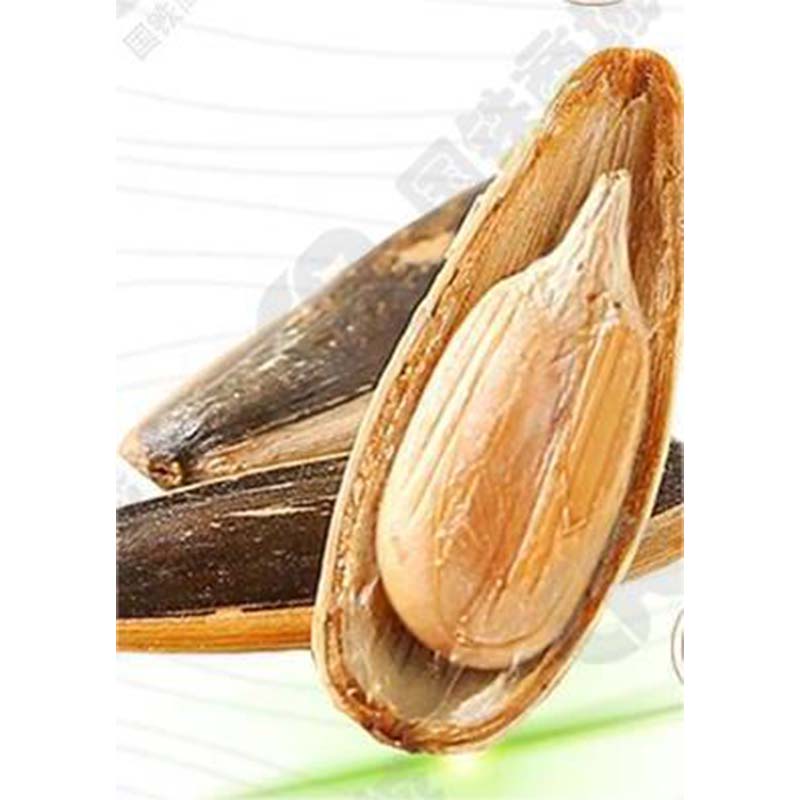
Black strip sunflower seeds ( Helianthus annuus ) represent a specialized segment within the broader sunflower seed market, distinguished by the pronounced dark-colored stripe on the seed hull. These seeds are primarily utilized as a confectionary snack food, experiencing significant demand in both domestic and international markets. Their position within the agricultural supply chain begins with specialized cultivation practices focused on maximizing kernel size and minimizing hull damage. From a technical perspective, key performance indicators for black strip sunflower seeds relate to kernel weight, oil content, protein content, moisture content, and the uniformity of the stripe. Meeting stringent quality standards for these parameters is critical for maintaining marketability and ensuring consistent consumer satisfaction. The processing chain involves harvesting, drying, dehulling, grading, and often, seasoning, all of which directly impact the final product quality. A primary industry pain point centers around minimizing foreign material contamination during harvest and maintaining consistent kernel integrity throughout processing, crucial for food safety and premium pricing.
Material Science & Manufacturing
The primary raw material, the sunflower seed kernel, is composed of approximately 30-50% oil (primarily linoleic acid), 20-25% protein, and 15-20% carbohydrate. The hull, consisting mainly of cellulose and lignin, provides physical protection. The black stripe is due to pigmentation within the hull, influenced by genetics and environmental factors during seed development. Manufacturing begins with optimized agricultural practices focusing on nitrogen and potassium levels in the soil, as these directly impact oil content. Harvesting requires precise timing to minimize seed shattering and moisture content, ideally around 8-10%. Drying is critical, employing controlled-temperature airflow (typically 30-40°C) to reduce moisture to 6-7% to prevent mold growth and rancidity. Dehulling utilizes mechanical methods – impact dehullers or abrasive dehullers – requiring careful calibration to minimize kernel damage. Kernel size grading is performed using screen separators. Parameter control during drying is paramount; excessively high temperatures degrade oil quality, while insufficient drying leads to fungal contamination. Hull strength, influenced by lignin content, dictates the energy input required for efficient dehulling. Chemical compatibility concerns focus on avoiding contact with reactive metals that can catalyze oil oxidation. Seed coating with food-grade polymers can improve handling characteristics and provide a barrier against moisture.
Performance & Engineering
Performance analysis of black strip sunflower seeds centers on their structural integrity under handling and transportation stresses. Force analysis demonstrates that kernels can withstand approximately 5-8 MPa compressive force before fracturing, but this is significantly reduced with pre-existing micro-cracks. Environmental resistance is a crucial factor; high humidity (above 70% RH) promotes moisture absorption and mold growth, while elevated temperatures accelerate lipid oxidation. Compliance requirements, dictated by food safety regulations (FDA, EFSA), necessitate strict control of aflatoxin levels (below 20 ppb) and pesticide residues. Functional implementation relies on precise calibration of processing equipment – dehullers, graders, and packaging machinery – to minimize damage and maintain consistent product quality. Packaging materials must provide a barrier against moisture and oxygen to prevent rancidity and maintain shelf life. The mechanical properties of the hull (tensile strength, elasticity) influence dehulling efficiency and the percentage of intact kernels recovered. Packaging design should consider impact resistance during shipping to prevent kernel breakage. The primary engineering challenge lies in optimizing the dehulling process to maximize yield while preserving kernel integrity.
Technical Specifications
| Parameter | Unit | Specification | Test Method |
|---|---|---|---|
| Moisture Content | % | ≤ 7.0 | AOAC 925.10 |
| Oil Content | % | 40-50 | SOX-9 (Ether Extraction) |
| Protein Content | % | 20-25 | Kjeldahl Method (AOAC 978.05) |
| Kernel Weight | g | 0.8 – 1.2 | Analytical Balance |
| Hull Damage | % | ≤ 5.0 | Visual Inspection & Image Analysis |
| Foreign Material | % | ≤ 1.0 | Visual Inspection |
Failure Mode & Maintenance
Failure modes in black strip sunflower seeds can be categorized into physical damage, chemical degradation, and biological contamination. Physical damage, such as kernel cracking and hull chipping, occurs during harvesting, drying, and dehulling. Fatigue cracking is minimal but can occur during prolonged storage and handling. Chemical degradation, specifically lipid oxidation (rancidity), is accelerated by exposure to oxygen, light, and elevated temperatures. Rancidity manifests as off-flavors and a decrease in nutritional value. Biological contamination, primarily mold growth ( Aspergillus flavus ), leads to aflatoxin production, a potent carcinogen. Maintenance of optimal storage conditions (cool, dry, dark) is crucial to prevent these failures. Regular inspection of storage facilities for moisture ingress and pest activity is essential. Dehulling equipment requires periodic calibration and cleaning to minimize kernel damage. Preventive maintenance schedules for drying equipment, including filter replacement and airflow adjustments, are critical. Implementing a Hazard Analysis and Critical Control Points (HACCP) plan is vital for ensuring food safety and minimizing the risk of aflatoxin contamination. Regular oil quality testing (peroxide value, acid value) can detect early signs of rancidity.
Industry FAQ
Q: What is the optimal moisture content range for long-term storage of black strip sunflower seeds?
A: The optimal moisture content range for long-term storage is between 6.0% and 7.0%. Higher moisture levels promote mold growth and aflatoxin production, while lower levels can lead to brittleness and increased breakage during handling. Accurate moisture measurement using a calibrated moisture meter is critical.
Q: How does the dehulling process impact the oil quality of the sunflower seeds?
A: The dehulling process can impact oil quality if not carefully controlled. Excessive mechanical stress during dehulling can cause lipid oxidation and release free fatty acids, leading to rancidity. Minimizing kernel damage through precise calibration of dehulling equipment and controlled impact forces is essential.
Q: What are the key factors influencing aflatoxin contamination in sunflower seeds?
A: Key factors include pre-harvest stress (drought, insect damage), improper drying, and inadequate storage conditions. Aspergillus flavus, the primary aflatoxin-producing mold, thrives in warm, humid environments. Implementing good agricultural practices, proper drying techniques, and maintaining optimal storage conditions are crucial for minimizing contamination.
Q: What methods are used to quantify the level of oil content in black strip sunflower seeds?
A: The most common method for quantifying oil content is Soxhlet extraction using diethyl ether (SOX-9). Near-infrared (NIR) spectroscopy is also used for rapid, non-destructive analysis, although it requires calibration against a reference method like SOX-9. Both methods are outlined in AOAC standards.
Q: What are the typical packaging materials used for black strip sunflower seeds and why?
A: Typically, black strip sunflower seeds are packaged in multi-layer films comprised of polyethylene (PE), aluminum foil, and polyester (PET). The aluminum foil provides an excellent barrier against oxygen and light, preventing rancidity. PE provides sealing properties, and PET provides mechanical strength. Modified atmosphere packaging (MAP) with nitrogen flushing can further extend shelf life.
Conclusion
Black strip sunflower seeds represent a specialized agricultural product requiring meticulous attention to detail throughout the entire supply chain, from cultivation to packaging. The inherent material properties of the seed – oil content, protein composition, and hull characteristics – dictate processing parameters and ultimately influence product quality and shelf life. Controlling moisture content, minimizing kernel damage during dehulling, and preventing lipid oxidation are critical challenges requiring ongoing optimization of manufacturing processes.
Future developments in this field will likely focus on improved seed genetics for enhanced oil content and hull strength, more efficient and less damaging dehulling technologies, and advanced packaging materials with improved barrier properties. The adoption of precision agriculture techniques, including real-time monitoring of seed moisture and oil content, will further enhance quality control. Continued adherence to international food safety standards and the implementation of robust HACCP plans are essential for maintaining market access and consumer confidence.
