Introduction
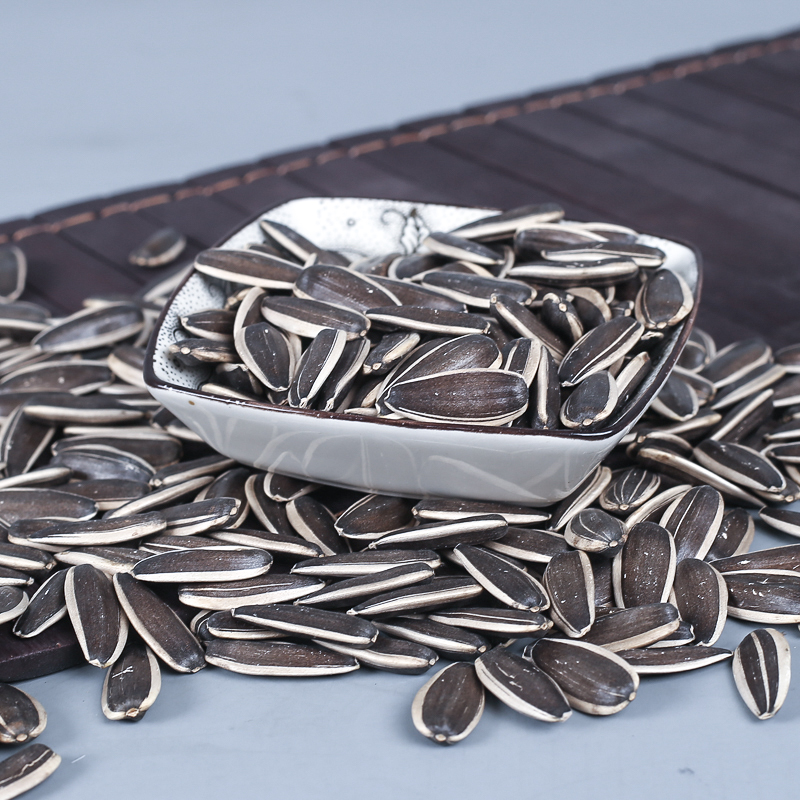
Black strip sunflower seeds represent a specialized segment within the broader sunflower seed industry, differentiated by a distinctive dark stripe on the seed hull. These seeds, primarily Helianthus annuus, are cultivated for direct consumption as a snack food, and increasingly, for their oil content. Technically, the “black strip” refers to pigmentation variations during seed development, influenced by genetic factors and environmental conditions. Their industrial position falls within the agricultural processing chain, bridging the gap between farming and consumer packaged goods. Core performance characteristics include hull strength (resistance to cracking during processing), kernel size and oil content (influencing yield), and taste profile (affecting consumer preference). The global market is driven by demand for healthy snacks and plant-based oils, with increasing scrutiny on seed quality and sourcing transparency.
Material Science & Manufacturing
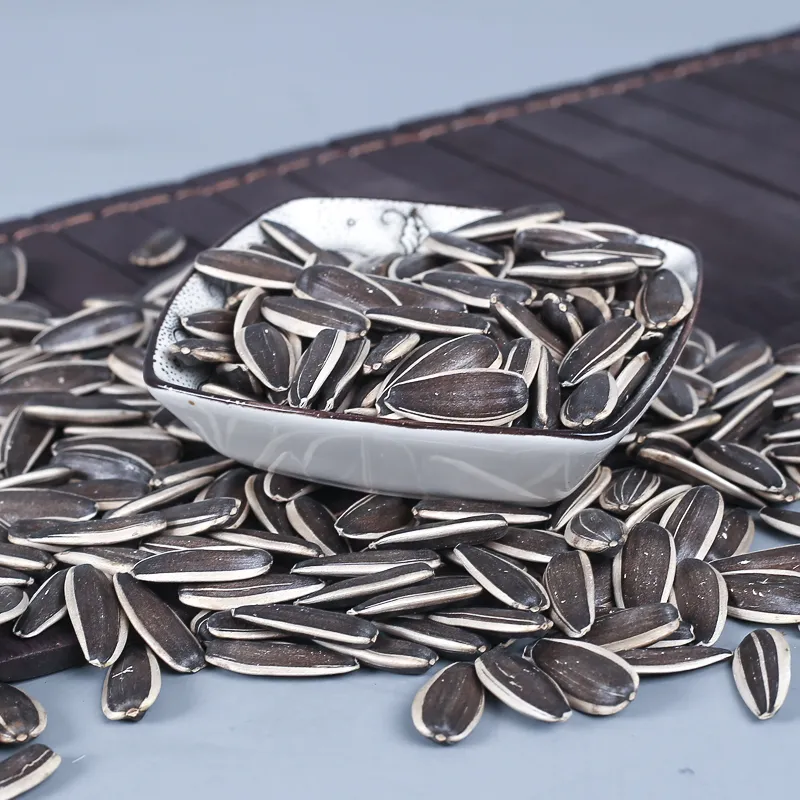
The raw material, the sunflower seed, comprises a hull (pericarp), kernel (cotyledon), and embryo. The hull’s composition is primarily cellulose and lignin, providing structural integrity. Kernel composition is dominated by lipids (40-50%), proteins (20-25%), carbohydrates (15-20%) and moisture (5-10%). The black strip pigmentation is attributed to localized concentrations of melanin precursors within the hull. Manufacturing begins with seed harvesting, followed by drying to a moisture content of approximately 9-10% to prevent fungal growth and maintain seed viability. Cleaning removes debris (stalks, leaves, stones). Dehulling is a critical step, typically employing impact or friction methods. Impact dehulling utilizes rotating hammers to crack the hull, while friction dehulling uses abrasive surfaces. Parameter control during dehulling is paramount: excessive force causes kernel damage, reducing oil yield and increasing off-flavors. Kernel grading separates seeds based on size and density. Further processing may include seasoning (salting, flavoring) and packaging. Maintaining temperature control throughout the process is vital; elevated temperatures degrade oil quality and accelerate rancidity. Chemical compatibility analysis reveals sensitivity to oxidizing agents, requiring inert gas packaging to preserve freshness.
Performance & Engineering
Performance evaluation centers around several key engineering considerations. Firstly, hull strength is assessed via impact resistance testing (measuring the force required to fracture the hull). A higher impact resistance minimizes kernel damage during dehulling. Secondly, kernel oil content is determined through solvent extraction (typically hexane) followed by gravimetric analysis. Target oil content varies depending on intended use (snack food vs. oil production). Environmental resistance testing focuses on shelf life. Accelerated aging studies, conducted at elevated temperatures and humidity, predict shelf life by monitoring changes in oil acidity, peroxide value, and sensory attributes. Compliance requirements include adherence to food safety regulations (FDA in the US, EFSA in Europe) regarding heavy metal contamination (lead, cadmium), pesticide residues, and microbiological control. Force analysis during the dehulling process involves evaluating the shear stress and compressive forces exerted on the seed, optimizing machine parameters to minimize kernel breakage. Moisture vapor transmission rate (MVTR) of packaging materials is crucial to prevent seed moisture uptake, preserving crispness and preventing mold growth.
Technical Specifications
| Parameter | Unit | Specification (Standard Grade) | Specification (Premium Grade) |
|---|---|---|---|
| Kernel Oil Content | % (Dry Weight Basis) | 48-52 | 52-58 |
| Kernel Moisture Content | % | ≤ 8.0 | ≤ 7.0 |
| Hull Damage (Broken Kernels) | % | ≤ 3.0 | ≤ 1.5 |
| Foreign Matter | % | ≤ 1.0 | ≤ 0.5 |
| Seed Size (Kernel Diameter) | mm | 10-14 | 12-16 |
| Peroxide Value (Oil) | meq O2/kg | ≤ 5.0 | ≤ 3.0 |
Failure Mode & Maintenance
Failure modes in black strip sunflower seeds primarily relate to seed deterioration and processing-induced damage. Kernel cracking during dehulling, caused by excessive impact force or improper machine settings, is a common failure. Lipid oxidation, leading to rancidity, is a significant concern, accelerated by exposure to oxygen, light, and elevated temperatures. Fungal contamination, particularly Aspergillus species, can occur if seeds are improperly dried or stored, producing mycotoxins. Hull discoloration and reduced germination rate (for seeds intended for replanting) are also observed. Maintenance solutions involve regular inspection and calibration of dehulling equipment to optimize impact force and minimize kernel damage. Proper storage in cool, dry, and dark conditions is crucial to prevent lipid oxidation and fungal growth. Packaging with oxygen absorbers and nitrogen flushing extends shelf life. Implementing a robust quality control program, including regular oil analysis (peroxide value, acidity) and mycotoxin testing, is essential. Preventative maintenance schedules for dehulling machinery include lubrication of moving parts and replacement of worn impact components. Proper cleaning and sanitation of processing equipment minimize microbial contamination.
Industry FAQ
Q: What is the optimal moisture content for sunflower seeds prior to dehulling, and why is it critical?
A: The optimal moisture content is 9-10%. Too high a moisture content increases the risk of fungal growth during storage and makes the hull more pliable, leading to increased kernel damage during dehulling. Too low a moisture content makes the hull brittle, resulting in excessive hull fragments and increased dust during processing.
Q: How does the black strip pigmentation impact the oil quality or nutritional value of the seeds?
A: The black strip pigmentation, resulting from melanin precursors, doesn’t directly impact the oil quality or major nutritional components (oil content, protein, carbohydrates). However, some studies suggest higher concentrations of phenolic compounds in darkly pigmented seeds, potentially offering enhanced antioxidant properties.
Q: What are the common causes of rancidity in sunflower seed kernels, and how can it be prevented?
A: Rancidity is primarily caused by lipid oxidation, initiated by exposure to oxygen, light, heat, and enzymatic activity. Prevention strategies include: storing seeds in airtight containers, under nitrogen atmosphere; maintaining low temperatures; adding antioxidants (e.g., Vitamin E); and minimizing exposure to light.
Q: What are the key differences between impact and friction dehulling methods, and which is preferable for black strip sunflower seeds?
A: Impact dehulling uses mechanical force (hammers) to crack the hull, while friction dehulling relies on abrasive surfaces. Friction dehulling generally results in less kernel damage but may be less efficient for seeds with very hard hulls. For black strip sunflower seeds, impact dehulling is often preferred, but requires careful calibration to minimize kernel breakage.
Q: What regulatory standards are most relevant to sunflower seed processing and export, and how do you ensure compliance?
A: Key standards include FDA regulations (US), EFSA regulations (Europe), and relevant import regulations of target countries. Compliance is ensured through regular testing for heavy metals, pesticide residues, mycotoxins, and adherence to Good Manufacturing Practices (GMP). Maintaining detailed records of sourcing, processing, and testing is essential for traceability and demonstrating compliance.
Conclusion
Black strip sunflower seeds represent a technologically nuanced agricultural product, demanding precise control across the entire value chain – from seed genetics and harvesting to processing, storage, and packaging. The critical parameters influencing quality are hull strength, kernel oil content, moisture control, and mitigation of oxidative degradation. Effective manufacturing requires a deep understanding of material science, mechanical engineering principles, and food safety regulations.
Future development in this sector will likely focus on optimizing dehulling techniques to minimize kernel damage, enhancing packaging materials to extend shelf life, and leveraging genetic engineering to improve seed characteristics (oil content, hull strength, disease resistance). Continued investment in quality control infrastructure and adherence to evolving international standards will be paramount for maintaining market access and meeting growing consumer demand for healthy and sustainable snack foods.
