Introduction
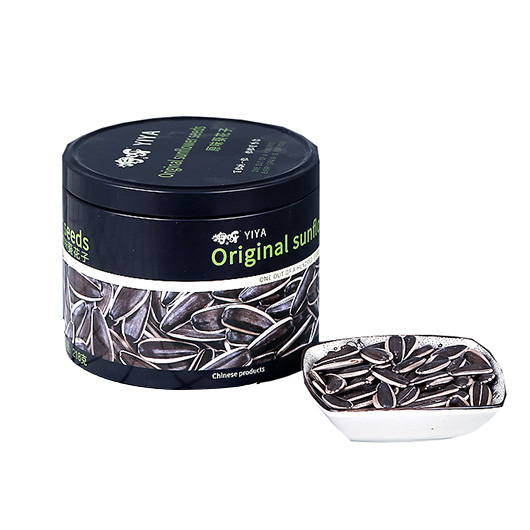
Black strip sunflower seeds represent a specialized segment within the Helianthus annuus processing industry. These seeds, characterized by a distinct dark stripe on the hull, are primarily cultivated for direct human consumption as a snack food. The manufacturing process, spanning from field cultivation to final packaging, requires precise control of genetic selection, harvesting techniques, hulling, grading, and seasoning to meet consumer expectations for taste, texture, and visual appeal. This technical guide details the critical aspects of black strip sunflower seed production, focusing on material science, manufacturing protocols, performance characteristics, potential failure modes, and relevant industry standards. The core performance metrics revolve around kernel integrity, oil content, protein content, moisture content, and the absence of detrimental foreign materials. The primary industry pain points include maintaining consistent stripe definition, minimizing kernel breakage during processing, controlling aflatoxin levels, and ensuring long-term storage stability.
Material Science & Manufacturing
The foundational material is the sunflower seed kernel, composed of approximately 50-55% oil, 20-25% protein, 15-20% carbohydrate (primarily cellulose in the hull), and 5-10% moisture. The oil is rich in linoleic acid, an essential fatty acid. The hull, or pericarp, provides physical protection and contributes to the characteristic striped appearance due to pigment deposition – primarily anthocyanins. Seed varieties are specifically bred to enhance anthocyanin expression, influencing stripe intensity and uniformity.
Manufacturing begins with seed selection, typically using optical sorting to identify seeds with a defined stripe pattern. Harvesting timing is crucial; seeds harvested too early have lower oil content, while late harvesting increases the risk of pre-harvest sprouting and fungal contamination. Post-harvest drying is essential, reducing moisture content to below 8% to prevent mold growth and enzymatic degradation. Hulling is a critical process, mechanically removing the hull without damaging the kernel. Impact hullers and abrasive hullers are commonly used. Parameter control during hulling – impact force, abrasive surface speed, and clearance – directly affects kernel breakage. Following hulling, seeds undergo cleaning (removal of hull fragments, stems, and other foreign materials), grading (based on size and shape using screens), and often seasoning (salt, flavorings) applied through tumbling or spraying. Finally, seeds are packaged in moisture-barrier materials (discussed later) to maintain quality and prevent rancidity.
Performance & Engineering
Performance evaluation centers on minimizing kernel damage during processing and maximizing shelf life. Force analysis during hulling is paramount; kernels are susceptible to cracking under excessive compressive or shear stress. Engineering controls, such as optimized huller settings and seed feed rates, are essential. Environmental resistance is a key concern; seeds are vulnerable to oxidation (leading to rancidity) due to unsaturated fatty acids, and to moisture absorption (promoting mold growth). Packaging materials, therefore, must provide a robust barrier to oxygen and water vapor. Compliance requirements dictate adherence to food safety standards, including maximum permissible levels of aflatoxins (mycotoxins produced by Aspergillus fungi). These levels are stringently regulated by governing bodies like the FDA and EFSA. Functional implementation focuses on ensuring consistent seasoning application and preventing dust formation during handling and packaging. Static electricity control is also vital, as it can attract dust and contribute to product clumping.
Technical Specifications
| Parameter | Unit | Specification (Typical) | Test Method |
|---|---|---|---|
| Kernel Moisture Content | % | 6.0 – 8.0 | Oven Drying (AOAC 925.10) |
| Oil Content (Dry Basis) | % | 50 – 58 | Soxhlet Extraction (AOAC 920.39) |
| Protein Content (Dry Basis) | % | 20 – 25 | Kjeldahl Method (AOAC 978.05) |
| Kernel Broken Rate | % | < 5 | Visual Inspection/Grading |
| Aflatoxin Levels (Total) | ppb | < 20 | HPLC-Fluorescence (AOAC 991.30) |
| Hull Content (Foreign Material) | % | < 1 | Visual Inspection/Weight Loss on Ignition |
Failure Mode & Maintenance
Failure modes in black strip sunflower seed production can be categorized as kernel damage, oxidative degradation (rancidity), and microbial contamination. Kernel damage (cracking, chipping) occurs primarily during hulling and handling, exacerbated by improper equipment settings or abrasive surfaces. Fatigue cracking in the hull, induced by repeated impact, is also a potential failure point. Oxidative degradation is driven by exposure to oxygen and light, leading to off-flavors and a reduction in nutritional value. Maintaining low moisture content and utilizing antioxidant packaging (discussed in performance) mitigate this. Microbial contamination, particularly by Aspergillus species, results in aflatoxin production. This is prevented through strict hygiene protocols, proper drying, and the application of antifungal treatments (where permitted by regulations). Maintenance focuses on regular inspection and replacement of huller components (impact plates, abrasive surfaces), cleaning of processing equipment to prevent microbial buildup, and calibration of optical sorting systems. Regular oil quality analysis (peroxide value, acid value) is crucial for monitoring oxidative stability. Preventative maintenance schedules should incorporate lubrication of moving parts and replacement of worn seals to minimize contamination risks.
Industry FAQ
Q: What is the primary factor influencing the intensity and uniformity of the black stripe on the sunflower seed hull?
A: Genetic selection is the primary driver. Specific sunflower varieties are bred for enhanced anthocyanin biosynthesis in the hull. Environmental factors, such as sunlight exposure during seed development and soil nutrient levels, can also play a role, but genetic predisposition is dominant. Optimal harvesting time is also important; prolonged exposure to sunlight after maturity can degrade anthocyanins.
Q: How do different packaging materials impact the shelf life of black strip sunflower seeds, specifically regarding rancidity?
A: Packaging materials with high barrier properties – low oxygen transmission rate (OTR) and low water vapor transmission rate (WVTR) – are crucial. Multi-layer films incorporating aluminum foil or metallized polyester provide excellent barrier protection. Modified atmosphere packaging (MAP), utilizing nitrogen flushing to displace oxygen, further extends shelf life. The choice of sealant material is also critical to maintain barrier integrity.
Q: What are the key considerations when selecting a hulling machine to minimize kernel breakage?
A: Hulling machine selection depends on seed size and variety. Impact hullers generally offer higher throughput but can cause more kernel damage if not properly adjusted. Abrasive hullers are gentler but may have lower capacity. Key considerations include adjustable impact force/abrasive speed, seed feed rate control, and the presence of kernel separation mechanisms to minimize secondary damage.
Q: What are the current industry best practices for controlling aflatoxin levels in sunflower seeds?
A: Best practices include sourcing seeds from regions with low aflatoxin risk, implementing rigorous pre-harvest and post-harvest monitoring programs, employing effective drying techniques to reduce moisture content, maintaining strict sanitation protocols throughout the processing facility, and utilizing optical sorting to remove contaminated seeds. Regular testing using HPLC-Fluorescence is essential for verifying compliance.
Q: What role does moisture content play in the long-term storage stability of black strip sunflower seeds?
A: Moisture content is a critical factor. High moisture content (above 8%) promotes microbial growth (especially molds producing aflatoxins) and accelerates enzymatic reactions leading to rancidity. Maintaining low moisture content (< 8%) and storing seeds in a cool, dry, and well-ventilated environment are essential for maximizing shelf life. Properly sealed packaging with a moisture barrier is also crucial.
Conclusion
The production of high-quality black strip sunflower seeds is a multifaceted process demanding meticulous control over material science, manufacturing parameters, and quality assurance protocols. Maintaining kernel integrity during hulling, ensuring optimal moisture content, and employing effective packaging solutions are paramount to maximizing shelf life and preserving nutritional value. Strict adherence to food safety standards, particularly regarding aflatoxin control, is non-negotiable.
Future trends in this sector will likely focus on advanced optical sorting technologies for enhanced quality control, the development of sunflower varieties with improved stripe definition and disease resistance, and the implementation of sustainable packaging materials to minimize environmental impact. Continuous monitoring of process parameters and adoption of data-driven optimization strategies will be crucial for maintaining competitiveness in this evolving market.
