Introduction
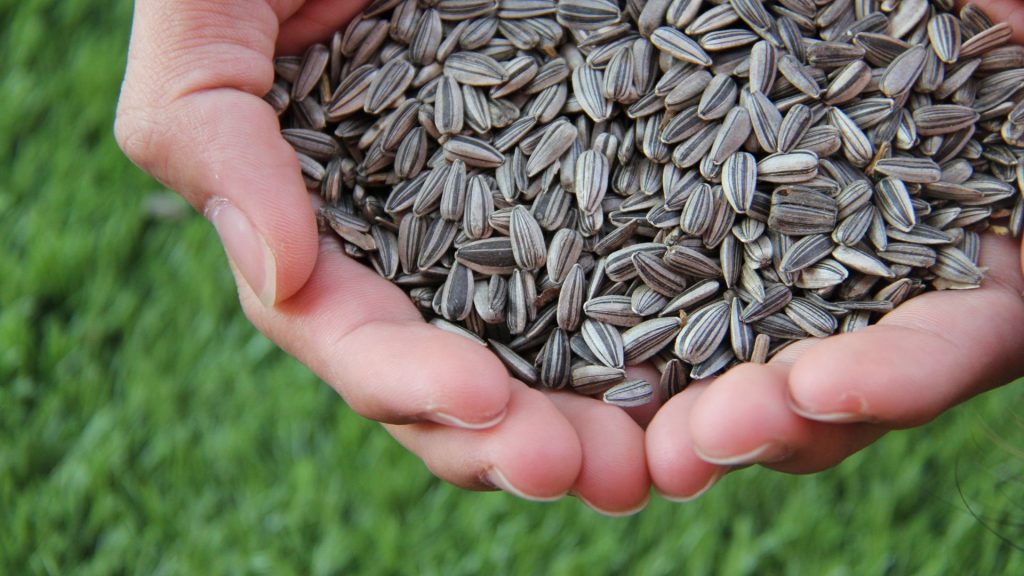
Black strip sunflower seeds represent a specialized segment within the broader sunflower seed industry, defined by a specific hull pattern resulting from pigmentation during seed development. These seeds, highly sought after for direct consumption, particularly in regions like Asia and parts of Europe, occupy a distinct technical position within the agricultural processing chain. Factories dedicated to their production necessitate a focused approach encompassing seed selection, dehulling technology, grading precision, and stringent quality control measures to consistently meet market demands. Core performance indicators revolve around kernel integrity, strip definition clarity, oil content, and freedom from defects like chipped kernels or foreign material. The industry faces challenges relating to consistent seed supply, efficient dehulling minimizing kernel damage, and maintaining sanitary processing conditions to ensure food safety.
Material Science & Manufacturing
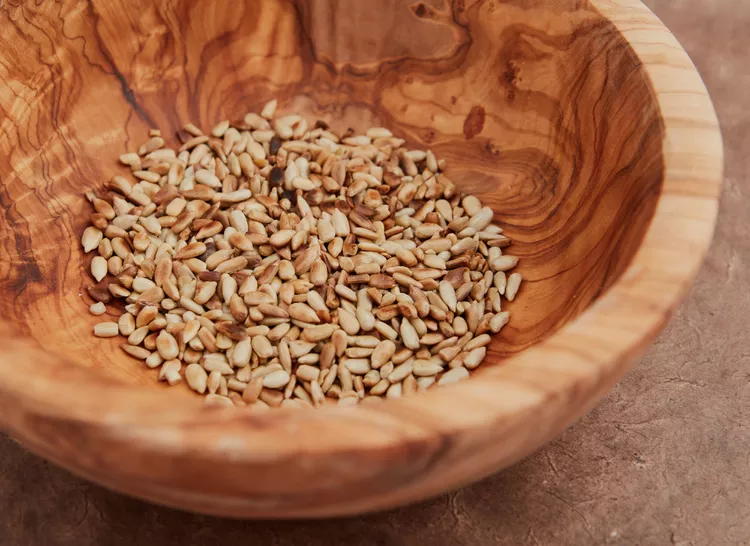
The raw material, Helianthus annuus seeds specifically bred for black strip characteristics, exhibit a complex composition. The hull, comprised primarily of cellulose and lignin, provides physical protection. The kernel contains approximately 40-50% oil (primarily linoleic acid), 20-25% protein, and 15-20% carbohydrates. The development of the black strip is influenced by anthocyanin pigments localized in the hull during maturation, impacted by genetics, sunlight exposure, and temperature. Manufacturing commences with seed harvesting, cleaning to remove debris, and drying to a moisture content of approximately 8-10% to inhibit mold growth. Dehulling is critical, typically employing centrifugal or impact dehullers. Centrifugal dehullers use rotational force to separate the hull, while impact dehullers rely on controlled collisions. Parameter control is paramount: impact velocity, rotor speed, and gap settings directly affect kernel damage. Subsequent grading involves size and density sorting, followed by color sorting utilizing optical sensors to isolate seeds with the desired black strip pattern. Finally, seeds are typically dried again to a final moisture content of 6-7% for extended storage and packaging. Chemical compatibility during processing requires consideration – avoiding cleaning agents that could introduce residual contaminants. Hull material is often used as a byproduct for animal feed or biofuel production, necessitating careful separation and handling.
Performance & Engineering
Performance assessment centers on the integrity of the kernel post-dehulling, measured by the percentage of whole kernels versus broken or damaged ones. Force analysis during dehulling reveals the shear forces acting on the hull-kernel interface. Optimization aims to minimize these forces while ensuring complete separation. Environmental resistance is vital, particularly concerning storage. Moisture ingress leads to rancidity (oxidative degradation of oils) and mold growth, necessitating hermetically sealed packaging and temperature control (ideally below 15°C). Compliance requirements are extensive, encompassing food safety regulations (HACCP, GMP), mycotoxin limits (aflatoxins, ochratoxins), and pesticide residue limits (governed by FAO/WHO). The engineering aspects extend to efficient hull separation and removal of foreign material. Air classification systems are utilized to separate hulls from kernels based on density differences. Optical sorters employ algorithms to detect discolored or damaged seeds. The design of conveying systems must minimize impact to prevent kernel breakage. Dust control is also critical to prevent explosions and maintain air quality within the processing facility.
Technical Specifications
| Parameter | Unit | Typical Range (Black Strip Sunflower Seeds) | Testing Method |
|---|---|---|---|
| Kernel Moisture Content | % | 6.0 – 7.0 | Oven Drying (AOAC 925.10) |
| Oil Content (Dry Basis) | % | 48 – 54 | Soxhlet Extraction (AOAC 920.39) |
| Kernel Damage (Broken/Chipped) | % | < 5 | Visual Inspection & Sieve Analysis |
| Foreign Material | % | < 0.5 | Visual Inspection & Hand Sorting |
| Strip Definition (Color Contrast) | Index (0-100) | > 75 | Spectrophotometry |
| Aflatoxin Levels | ppb | < 20 | ELISA or HPLC |
Failure Mode & Maintenance
Common failure modes include kernel cracking during dehulling, leading to reduced yield and quality. This is often caused by improper dehuller settings (excessive impact force or speed) or inconsistent seed moisture content. Another failure mode is rancidity, triggered by oxidative degradation of the oil, particularly during prolonged storage. This manifests as an off-flavor and odor. Preventive measures involve airtight packaging, low-temperature storage, and the addition of antioxidants (though regulatory considerations apply). Delamination of the hull from the kernel can occur if seeds are dried too rapidly or subjected to significant temperature fluctuations. Microbiological contamination (mold growth) is a critical concern, necessitating rigorous sanitation protocols and monitoring for mycotoxins. Equipment maintenance is paramount. Dehullers require regular inspection and replacement of wear parts (impact plates, rotors). Optical sorters need calibration to maintain accuracy. Conveying systems require lubrication to minimize friction and prevent jams. Regular cleaning of all equipment is vital to prevent cross-contamination and maintain sanitary conditions. Periodic vibration analysis can detect bearing failures in rotating equipment before catastrophic breakdowns occur.
Industry FAQ
Q: What are the key differences in processing black strip versus traditional sunflower seeds?
A: The primary difference lies in the sorting stage. Black strip sunflower seeds require optical sorting based on hull pattern, a process not needed for traditional varieties. This adds complexity and cost to the production line. Dehulling parameters also need finer tuning to minimize damage to the kernel while maintaining strip integrity. Yields may be slightly lower due to the stricter quality requirements.
Q: How do variations in seed moisture content affect dehulling efficiency?
A: Seed moisture content is a critical factor. Too low a moisture content makes the hull brittle and prone to shattering, increasing kernel damage. Too high a moisture content makes the hull pliable and difficult to separate cleanly, resulting in incomplete dehulling. Optimal moisture content is typically between 8-10% before dehulling.
Q: What are the regulatory limits for aflatoxins in sunflower seeds, and how can they be minimized?
A: Regulatory limits for aflatoxins vary by region, but commonly fall between 2-20 ppb. Minimization strategies include sourcing seeds from regions with low aflatoxin prevalence, proper drying and storage to prevent mold growth, and implementing effective sorting and cleaning processes to remove contaminated seeds.
Q: What type of packaging is recommended for long-term storage of black strip sunflower seeds?
A: Hermetically sealed packaging using materials with low oxygen transmission rates (OTR) is crucial. Multi-layer films incorporating aluminum foil or metallized polyester are common. Modified atmosphere packaging (MAP) with nitrogen flushing can further extend shelf life by reducing oxygen levels.
Q: What are the key maintenance considerations for optical sorting equipment used in black strip sunflower seed processing?
A: Regular calibration is paramount to ensure accurate color and defect detection. Cleaning of the optical sensors and lenses is essential to remove dust and debris. Software updates should be applied to optimize performance and algorithms. Routine inspection of air compressors and vacuum systems is needed to maintain consistent airflow.
Conclusion
The successful operation of a black strip sunflower seed factory hinges on a sophisticated understanding of seed physiology, precise control of manufacturing parameters, and adherence to stringent quality standards. Optimizing the dehulling process to maximize kernel integrity while preserving the distinctive black strip pattern is a key technical challenge. Implementing robust food safety protocols to mitigate the risk of mycotoxin contamination is non-negotiable.
Future advancements will likely focus on developing improved seed varieties with enhanced strip definition and resistance to disease, as well as refining optical sorting technologies for greater accuracy and efficiency. Sustainable practices, including minimizing water usage and utilizing byproduct streams, will also become increasingly important. Continued investment in research and development will be crucial for maintaining competitiveness in this specialized market segment.
