Introduction
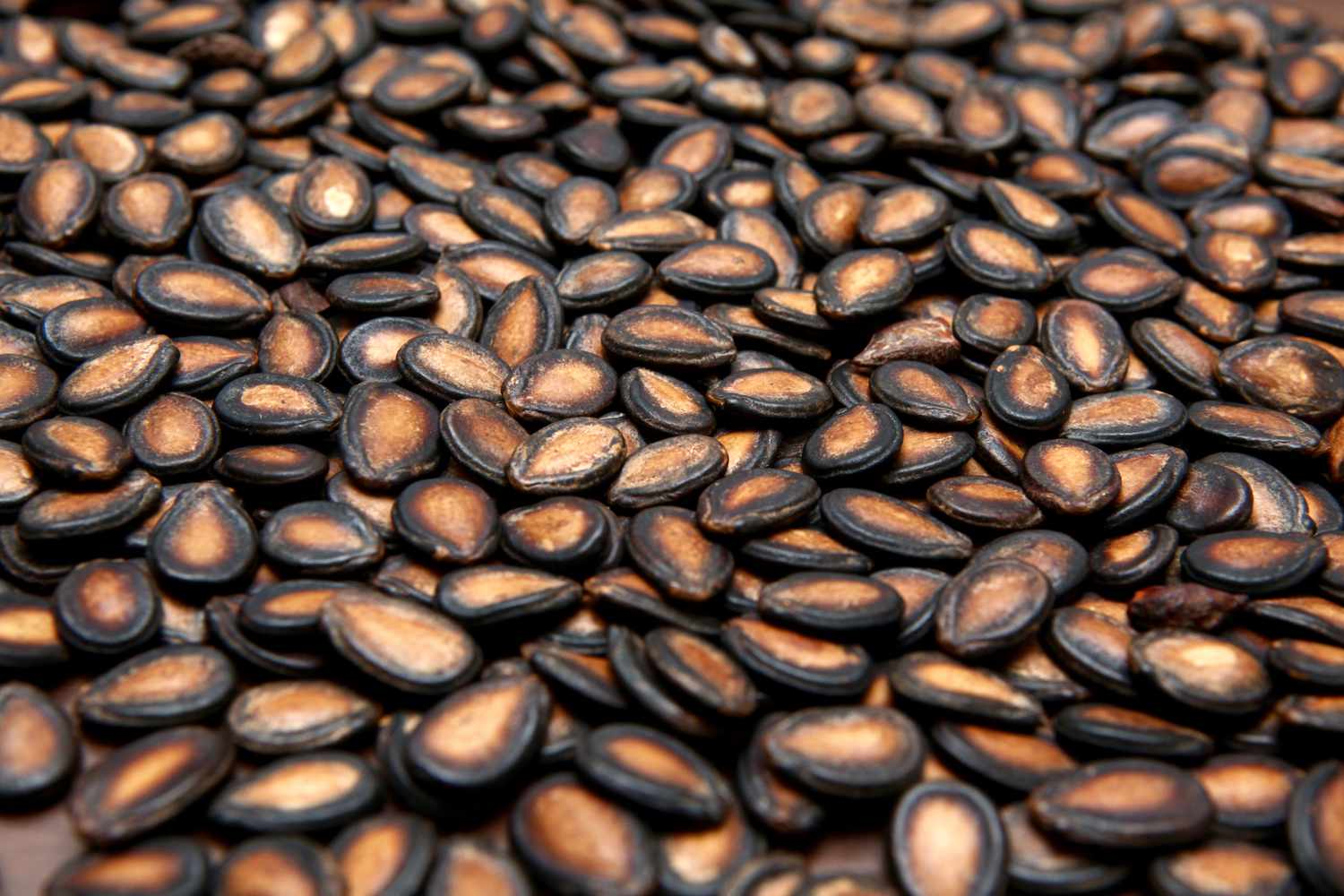
Black strip sunflower seeds, Helianthus annuus, represent a specialized segment of the sunflower seed market, distinguished by a dark circumferential band around the kernel. These seeds are primarily valued for direct human consumption as a snack food, but also find applications in confectionery and as a niche ingredient in specialized food products. As an export commodity, black strip sunflower seeds are subject to stringent quality control measures dictated by importing nations, focusing on attributes like kernel content, oil content, moisture levels, and absence of aflatoxins and other contaminants. This guide will provide a detailed technical overview for exporters, covering the agronomic factors influencing seed quality, processing techniques, performance characteristics relevant to transport and storage, potential failure modes, and applicable international standards. The industry currently faces pressure to improve sustainability in cultivation and reduce post-harvest losses, impacting both yield and export viability. Understanding the complex interplay of genetics, agricultural practices, and processing methods is critical for success in this competitive market.
Material Science & Manufacturing
The primary material, the sunflower seed itself, is comprised of a hull (pericarp) typically accounting for 30-50% of the seed’s weight, and the kernel containing the oil and protein. The hull’s composition is largely cellulose and lignin, providing structural integrity. The kernel comprises approximately 40-60% oil, primarily linoleic acid, oleic acid, and palmitic acid. Protein content ranges from 18-25%, with varying amino acid profiles. The black strip is due to pigmentation in the hull, specifically melanin compounds. Seed production begins with cultivar selection – hybrids are favored for high yield and uniformity. Agronomic practices impacting seed quality include soil fertility management (nitrogen, phosphorus, potassium), irrigation, and pest/disease control. Harvesting typically occurs when seed moisture content reaches 18-20%. Post-harvest processing involves cleaning (removal of stalks, leaves, and other debris), drying (to 8-10% moisture content – critical for storage stability), dehulling (mechanical removal of the hull), sizing/grading (based on kernel size and shape), and optical sorting (to eliminate discolored or damaged seeds). Dehulling efficiency is a crucial parameter, impacting both yield and kernel damage. Controlled drying is paramount to prevent cracking and maintain oil quality, utilizing airflow and temperature regulation to minimize lipid oxidation. Kernel integrity is directly related to the force applied during dehulling and the seed’s inherent moisture content.
Performance & Engineering
The performance of black strip sunflower seeds during export is critically dependent on maintaining kernel integrity and preventing lipid oxidation. Mechanical stress during handling, transport, and storage can lead to kernel breakage, reducing market value. The bulk density of the seeds impacts packaging efficiency and shipping costs. Environmental factors, particularly temperature and humidity, are primary drivers of degradation. The oil content renders the seeds susceptible to rancidity, initiated by enzymatic hydrolysis and oxidation. This process is accelerated by elevated temperatures, moisture, and exposure to light. Packaging materials must provide an effective barrier against oxygen, moisture, and light. Moisture migration within packaging can lead to clumping and increased susceptibility to microbial growth. Force analysis during transport reveals seeds experience compression, shear, and impact loads. Packaging design must mitigate these forces to minimize damage. Compliance requirements vary by importing country, encompassing regulations regarding pesticide residues, aflatoxin levels, and heavy metal contamination. The presence of foreign material (e.g., weed seeds, stones) is also strictly regulated. The packaging materials’ tensile strength and tear resistance are essential for preventing breakage during handling and transit.
Technical Specifications
| Parameter | Unit | Typical Value | Acceptable Range (Export Grade A) |
|---|---|---|---|
| Kernel Content | % Weight | 55-65 | ≥ 58% |
| Oil Content (Kernel Basis) | % Weight | 45-55 | 48-58% |
| Moisture Content | % Weight | 8-10 | ≤ 9% |
| Aflatoxin B1 | ppb | <2 | ≤ 2 ppb |
| Foreign Matter | % Weight | <1 | ≤ 0.5% |
| Damaged Kernels | % Weight | <3 | ≤ 2% |
Failure Mode & Maintenance
The most common failure modes for black strip sunflower seeds during export include kernel breakage (leading to reduced value), lipid oxidation (resulting in rancidity and off-flavors), and microbial contamination (due to inadequate moisture control). Fatigue cracking of kernels can occur during prolonged storage and handling. Delamination of the kernel due to improper drying is also observed. Aflatoxin contamination is a significant concern, particularly in humid climates. Preventative maintenance involves stringent quality control at all stages of the process – from field cultivation to packaging and storage. Proper drying is crucial, employing temperature and airflow control to minimize stress on the kernels. Packaging should utilize barrier materials to prevent moisture ingress and oxygen permeation. Regular monitoring of storage conditions (temperature, humidity) is essential. Implementing a robust HACCP (Hazard Analysis and Critical Control Points) system is critical for identifying and mitigating potential hazards. First-In, First-Out (FIFO) inventory management minimizes storage time and reduces the risk of degradation. Effective pest control measures prevent insect infestation and mycotoxin production. Visual inspection for damaged or discolored kernels during sorting processes identifies seeds unfit for export.
Industry FAQ
Q: What are the primary factors influencing aflatoxin contamination in sunflower seeds, and how can we minimize the risk?
A: Aflatoxin contamination is primarily driven by Aspergillus flavus and Aspergillus parasiticus fungi, which thrive in warm, humid conditions. Minimizing the risk requires meticulous control of pre-harvest conditions (avoiding drought stress), prompt and thorough drying after harvest, proper storage practices (low humidity, temperature control), and the potential use of antifungal treatments where permitted by importing country regulations. Regular testing for aflatoxin levels is also essential.
Q: How does the dehulling process impact the oil stability of the sunflower seeds?
A: The dehulling process, if not carefully controlled, can cause micro-fractures in the kernels, increasing the surface area exposed to oxygen and accelerating lipid oxidation. Excessive impact force or improper dehuller calibration can lead to increased kernel damage. Gentle dehulling techniques and minimizing mechanical stress are crucial for preserving oil stability.
Q: What packaging materials are most effective at preventing rancidity during long-term storage and international transport?
A: Multi-layer packaging films incorporating aluminum foil or metallized polyester, coupled with a polyethylene inner layer for sealing, are highly effective. Vacuum packaging or modified atmosphere packaging (MAP) using nitrogen flushing further reduces oxygen levels. The barrier properties of the packaging material (oxygen transmission rate, water vapor transmission rate) are key considerations.
Q: What are the key differences in quality standards between the European Union and the United States for sunflower seed exports?
A: The EU generally has stricter regulations regarding pesticide residues and mycotoxin levels compared to the US. The EU also places a greater emphasis on traceability and documentation requirements. Specific permissible limits for contaminants may also differ. Exporters must be fully aware of the specific requirements of each importing country.
Q: How can we accurately assess the moisture content of sunflower seeds to ensure they meet export standards?
A: The most reliable method is using a calibrated moisture analyzer based on the oven-drying method (reference method). Alternatively, electronic moisture meters can provide rapid measurements, but require regular calibration against the oven-drying method for accuracy. Representative sampling is critical to ensure accurate results.
Conclusion
Black strip sunflower seed export requires a holistic understanding of the interplay between agronomic practices, processing techniques, and storage/transport conditions. Maintaining kernel integrity and preventing lipid oxidation are paramount concerns, demanding meticulous quality control throughout the supply chain. Adherence to stringent international standards and proactive risk management are crucial for ensuring product quality, meeting customer expectations, and achieving sustainable export success.
Future trends will likely focus on improved cultivar development for enhanced oil quality and aflatoxin resistance, as well as the adoption of more sustainable agricultural practices. Investment in advanced processing technologies, such as optical sorting and precision drying, will further improve product quality and reduce post-harvest losses. Continuous monitoring of emerging regulations and market demands is essential for maintaining a competitive edge in the global sunflower seed market.
