Introduction
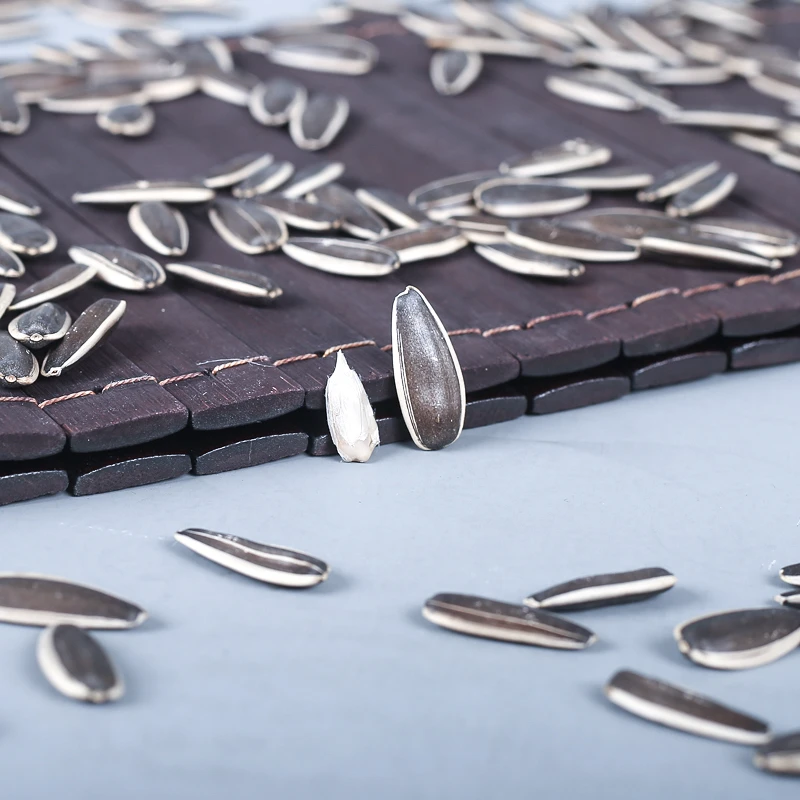
Black strip sunflower seeds represent a specialized segment within the global oilseed export market. These seeds, characterized by a distinct dark stripe along the hull, are primarily utilized for confectionery purposes, commanding a premium over standard black oilseed varieties. Their technical position within the agricultural supply chain lies between primary agricultural production and the food processing industry, requiring stringent quality control measures to meet international food safety standards. Core performance characteristics center around oil content, protein levels, kernel size consistency, and the absence of defects impacting flavor and appearance. This guide will detail the material science, manufacturing processes, performance parameters, potential failure modes, and relevant industry standards associated with the export of black strip sunflower seeds, serving as a comprehensive technical reference for industry stakeholders.
Material Science & Manufacturing
The raw material for black strip sunflower seeds is, of course, the Helianthus annuus plant, specifically cultivars bred for confectionery traits. Seed composition comprises approximately 42-52% oil, 20-28% protein, 15-25% carbohydrate (primarily in the hull), and 5-10% moisture. The distinctive black stripe is due to localized anthocyanin pigmentation within the pericarp (seed coat). Manufacturing begins with agricultural practices – soil composition, irrigation, and fertilization directly influence oil content and seed size. Harvesting occurs when seed moisture content reaches 8-12% for optimal mechanical threshing. Post-harvest processing involves cleaning (removal of stalks, leaves, and other debris), drying to a target moisture content of 6.5-7.5% to prevent fungal growth, dehulling (partial or complete, depending on end-use), sizing/grading based on kernel diameter, and optical sorting to remove discolored or damaged seeds. Critical parameters include drying temperature (must not exceed 50°C to avoid protein denaturation and oil oxidation), dehulling pressure (influences kernel breakage), and sorting accuracy (impacts product purity). The presence of mycotoxins (aflatoxins, ochratoxin A) is a primary concern, requiring rigorous monitoring throughout the process. Chemical compatibility considerations include avoiding contact with metals that could catalyze oil oxidation (iron, copper) and ensuring storage containers are constructed from food-grade materials.
Performance & Engineering
Performance of black strip sunflower seeds, from a logistical perspective, is heavily influenced by their physical properties. Bulk density (approximately 650-750 kg/m³) impacts storage volume and transportation costs. Angle of repose (around 65-70 degrees) dictates flowability during handling and processing. Abrasion resistance is crucial to minimize damage during transport; seed coats are relatively brittle and susceptible to cracking. Environmental resistance focuses on maintaining seed viability and preventing lipid oxidation during storage. Packaging materials must provide a barrier to oxygen, moisture, and light. Compliance requirements encompass numerous international regulations including maximum permissible levels of heavy metals (lead, cadmium), pesticide residues (regulated by Codex Alimentarius), and mycotoxins (EU Regulation 1881/2006). Functional implementation considerations for confectionery use include ensuring consistent kernel size for automated filling operations and maintaining a palatable flavor profile. Force analysis reveals that a compressive force of approximately 5-7 N is required to fracture a typical kernel. Moisture content significantly impacts this value, with higher moisture leading to reduced fracture strength. Storage temperature control is paramount; every 10°C increase approximately doubles the rate of lipid oxidation.
Technical Specifications
| Parameter | Unit | Specification | Test Method |
|---|---|---|---|
| Oil Content (Dry Basis) | % | 48-54 | Soxhlet Extraction (AOCS Official Method) |
| Protein Content (Dry Basis) | % | 22-26 | Kjeldahl Method (AOCS Official Method) |
| Moisture Content | % | Max 7.0 | Oven Drying (AACC Method 925) |
| Kernel Size (Diameter) | mm | 14-16 | Sieve Analysis |
| Foreign Matter | % | Max 1.0 | Visual Inspection |
| Damaged Kernels (Broken, Discolored) | % | Max 3.0 | Visual Inspection |
Failure Mode & Maintenance
Failure modes for black strip sunflower seeds during export and storage can be categorized as physical, chemical, and biological. Physical failures include kernel breakage during handling and transport, leading to increased dust and reduced aesthetic appeal. Chemical failures primarily involve lipid oxidation (rancidity), resulting in off-flavors and decreased nutritional value. This is accelerated by exposure to oxygen, light, and elevated temperatures. Aflatoxin contamination represents a critical biological failure mode. This is typically caused by Aspergillus flavus and Aspergillus parasiticus fungi during pre-harvest or post-harvest storage. Maintenance strategies involve optimizing storage conditions: temperature control (below 15°C), humidity control (below 65% RH), and protection from light. Packaging should utilize oxygen-barrier materials (e.g., metallized films). Regular monitoring for aflatoxins is essential, utilizing ELISA or HPLC methods. Preventative measures during agricultural practices include proper crop rotation, irrigation management, and insect control to minimize fungal infection. Effective inventory management (FIFO – First In, First Out) minimizes storage duration and reduces the risk of degradation. Periodic quality checks, including oil stability analysis (Peroxide Value, Anisidine Value), are recommended to detect early signs of oxidation.
Industry FAQ
Q: What are the critical considerations for aflatoxin control in black strip sunflower seed exports?
A: Aflatoxin control is paramount. This requires implementing a Hazard Analysis and Critical Control Points (HACCP) plan, focusing on pre-harvest monitoring for fungal infection, proper drying to reduce moisture content, rigorous cleaning to remove contaminated seeds, and regular testing throughout the supply chain. Compliance with EU Regulation 1881/2006 and similar international standards is mandatory. Suppliers must provide Certificates of Analysis demonstrating aflatoxin levels are below permissible limits.
Q: How does the oil content impact the storage stability of these seeds?
A: Higher oil content, while desirable from a commercial perspective, increases susceptibility to lipid oxidation. Unsaturated fatty acids within the oil are prone to reacting with oxygen, leading to rancidity. Therefore, seeds with higher oil content require more stringent storage conditions (lower temperature, reduced oxygen exposure) and may benefit from the addition of natural antioxidants (e.g., Vitamin E) during processing.
Q: What is the significance of kernel size consistency for confectionery applications?
A: Consistent kernel size is vital for automated filling and packaging operations in confectionery production. Variations in size can cause jams in machinery, inaccurate weight fills, and an aesthetically unappealing final product. Sizing/grading during processing is essential to ensure a uniform product that meets the requirements of confectionery manufacturers.
Q: What packaging materials are recommended to maintain seed quality during long-distance transport?
A: Multi-layer packaging incorporating an oxygen barrier (metallized polyester or EVOH), a moisture barrier (polyethylene), and UV protection is recommended. Flexible packaging (pouches or bags) are commonly used, but the material must be food-grade and capable of withstanding the rigors of transport. Palletizing and shrink-wrapping provide additional protection during handling.
Q: Are there specific regulations regarding pesticide residues on sunflower seeds destined for the EU market?
A: Yes, the EU has Maximum Residue Levels (MRLs) for a wide range of pesticides that may be used on sunflower crops. Suppliers must demonstrate compliance with these MRLs through laboratory analysis and documentation. Regulation (EC) No 396/2005 sets out the MRLs for pesticides in or on food and feed of plant and animal origin. Detailed information can be found on the European Commission's website.
Conclusion
The successful export of black strip sunflower seeds hinges on a comprehensive understanding of their material properties, manufacturing processes, and stringent quality control measures. Maintaining optimal storage conditions – low temperature, low humidity, and protection from light and oxygen – is critical to prevent lipid oxidation and maintain palatability. Furthermore, unwavering adherence to international food safety standards, particularly regarding aflatoxin contamination and pesticide residues, is non-negotiable for market access.
Looking ahead, advancements in seed breeding to enhance oil content and improve resistance to fungal infection will further elevate the value proposition of black strip sunflower seeds. The implementation of blockchain technology for traceability, providing transparent documentation of the entire supply chain, will likely become increasingly important to meet consumer demands for food safety and origin assurance. Continued investment in research and development to optimize post-harvest processing techniques will also contribute to maintaining the quality and competitiveness of this specialized agricultural commodity.
