Introduction
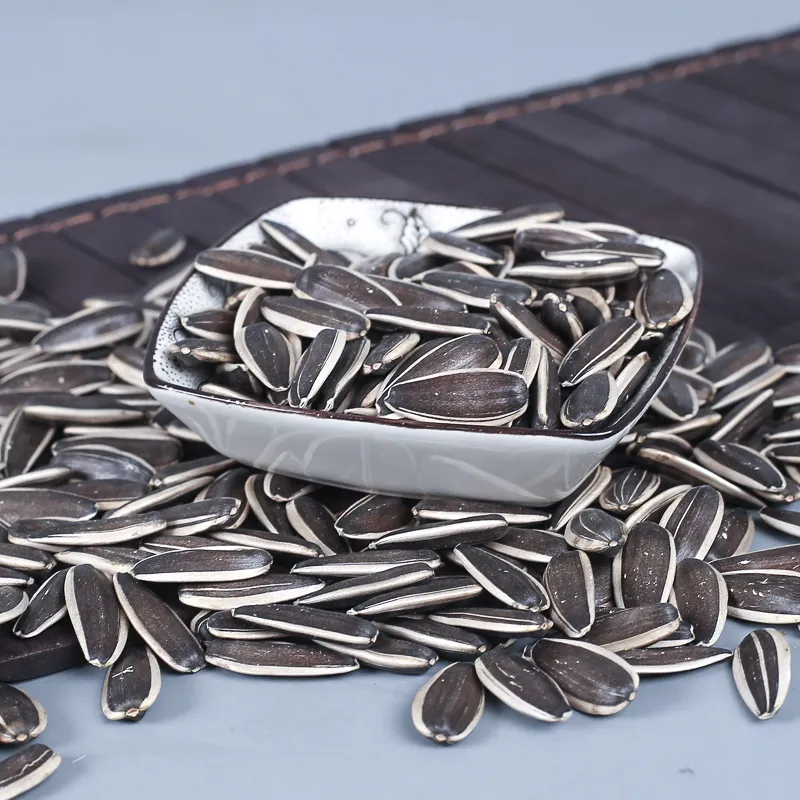
Black oil sunflower seeds (BOSS), typically supplied in 40 lb units, represent a significant component in animal feed formulations, particularly for poultry, wild birds, and increasingly, aquaculture. Their high oil content (typically 35-50%) and protein profile distinguish them from confectionery sunflower seeds. This technical guide details the material science, manufacturing processes, performance characteristics, potential failure modes, and relevant industry standards associated with BOSS supply. The product’s position within the agricultural commodity chain is as a processed oilseed, bridging sunflower cultivation and specialized animal nutrition. Core performance is defined by oil yield, protein content, fatty acid profile, moisture content, and freedom from contaminants. Maintaining consistent quality is paramount, given its direct impact on animal health and production efficiency.
Material Science & Manufacturing
The raw material, sunflower seeds, consists primarily of a kernel (seed meat) enclosed within a hull (shell). BOSS are derived from hybrid sunflower varieties specifically bred for high oil content within the kernel. The kernel's composition is roughly 20-30% protein, 35-50% oil, 10-20% carbohydrates, and 5-10% fiber. The oil is rich in linoleic acid, an essential omega-6 fatty acid. Manufacturing begins with dehulling, separating the kernel from the hull. This is typically achieved mechanically using impact and friction-based systems. Following dehulling, the kernels undergo oil extraction, commonly through mechanical pressing (expelling) or solvent extraction (typically using hexane). BOSS are the residual material remaining after oil extraction. Key parameter control during manufacturing includes maintaining low temperatures during processing to prevent protein denaturation and lipid oxidation. Moisture content is critically controlled to inhibit mold growth and maintain seed viability if intended for bird feeding. Particle size is also managed to ensure optimal flowability and digestibility. Quality control throughout the process involves regular testing for oil content, protein levels, moisture, and the presence of aflatoxins and other mycotoxins.
Performance & Engineering
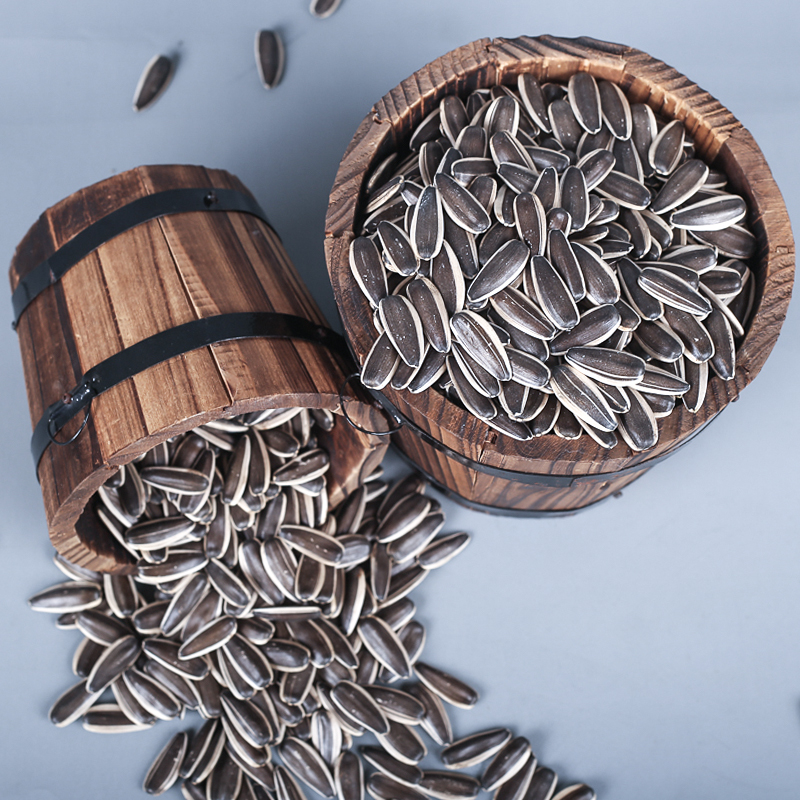
The performance of BOSS is fundamentally linked to its nutritional properties. The oil content dictates its energy density, crucial for animal growth and maintenance. The fatty acid profile influences lipid metabolism and the quality of animal products (e.g., egg yolk composition in poultry). Protein content contributes to tissue repair and development. Force analysis isn’t directly applicable to the seed itself, but is relevant to the engineering of storage and handling systems. Bulk density (typically 50-60 lbs/cubic foot) dictates silo design and conveying system capacity. Environmental resistance primarily concerns moisture absorption and susceptibility to oxidation. Prolonged exposure to air and light promotes rancidity, decreasing nutritional value and palatability. Compliance requirements are multifaceted. In the US, regulations from the Food and Drug Administration (FDA) govern feed ingredient safety. Aflatoxin limits are strictly enforced. European Union (EU) regulations regarding genetically modified organisms (GMOs) and pesticide residues must also be considered, particularly for export markets. The structural integrity of the 40lb packaging (typically polypropylene woven bags) is essential for preventing spillage and maintaining product quality during transit.
Technical Specifications
| Parameter | Units | Typical Value | Tolerance |
|---|---|---|---|
| Oil Content (Dry Basis) | % | 40 | ±3% |
| Protein Content (Dry Basis) | % | 22 | ±2% |
| Moisture Content | % | 8 | Max 10% |
| Ash Content | % | 6 | ±1% |
| Fiber Content | % | 12 | ±2% |
| Aflatoxin Level | ppb | <20 | Max 30 ppb (US FDA limit) |
Failure Mode & Maintenance
BOSS are susceptible to several failure modes impacting their usability. Rancidity is a primary concern, driven by lipid oxidation. This manifests as an off-flavor and odor, reducing palatability and nutritional value. Prevention requires storage in cool, dry, and dark conditions, ideally under nitrogen purging. Mold growth can occur if moisture content exceeds 10%, leading to the production of mycotoxins like aflatoxin. Proper drying and storage are crucial. Physical damage during handling (cracking, splitting) can lead to dust generation and loss of fines. Gentle handling procedures and robust packaging are necessary. Insect infestation is another potential issue, particularly during prolonged storage. Maintaining a clean storage environment and utilizing insecticidal treatments (where permitted) are preventative measures. Maintenance of storage facilities involves regular cleaning, temperature and humidity monitoring, and inspection for signs of pests or mold. A ‘first-in, first-out’ (FIFO) inventory management system minimizes the risk of prolonged storage and degradation. Failure to properly manage these risks results in product rejection and economic loss.
Industry FAQ
Q: What is the typical shelf life of black oil sunflower seeds when stored under optimal conditions?
A: Under optimal conditions (cool, dry, dark, and airtight storage), BOSS typically have a shelf life of 12-18 months. However, this is dependent on initial quality and storage temperature. Regularly monitoring for rancidity and mycotoxin levels is recommended.
Q: How does the fatty acid profile of BOSS compare to other common poultry feed ingredients?
A: BOSS is particularly rich in linoleic acid (omega-6), exceeding levels found in soybean meal or corn. This contributes to enhanced egg yolk color and improved poultry performance. However, the omega-6 to omega-3 ratio is relatively high, and supplementation with omega-3 sources may be beneficial.
Q: What are the key considerations regarding aflatoxin contamination in BOSS?
A: Aflatoxin is a major concern due to its toxicity. Suppliers should provide certificates of analysis demonstrating aflatoxin levels below regulatory limits (e.g., 30 ppb in the US, 20 ppb in the EU). Proper harvesting, drying, and storage practices are crucial for minimizing aflatoxin contamination.
Q: Is there a difference in oil yield between mechanically pressed and solvent-extracted BOSS?
A: Solvent extraction generally yields a higher oil content compared to mechanical pressing, resulting in BOSS with a slightly lower oil percentage. However, the residual solvent levels in solvent-extracted BOSS must be carefully monitored to ensure they meet safety standards.
Q: What packaging options are available for 40 lb units of BOSS, and what are their respective advantages?
A: The most common packaging is woven polypropylene bags. These are cost-effective and provide adequate protection during transit. Alternatives include multi-wall paper bags with a polyethylene liner, offering improved moisture resistance, and bulk bags (FIBCs) for larger volumes, streamlining handling and reducing packaging waste.
Conclusion
Black oil sunflower seeds represent a valuable and versatile ingredient in animal feed, offering a concentrated source of energy and protein. Successful sourcing requires a thorough understanding of the material’s science, manufacturing nuances, and potential degradation pathways. Strict adherence to quality control measures throughout the supply chain, from harvesting to storage, is crucial for maintaining product integrity and ensuring animal health.
Future trends will likely focus on optimizing sunflower breeding programs to further enhance oil content and improve resistance to aflatoxin contamination. Sustainable sourcing practices and reduced reliance on hexane extraction are also gaining prominence. The continued demand for high-quality animal protein will drive the need for reliable and consistent BOSS supply, making proactive quality management and adherence to international standards paramount.
