Introduction
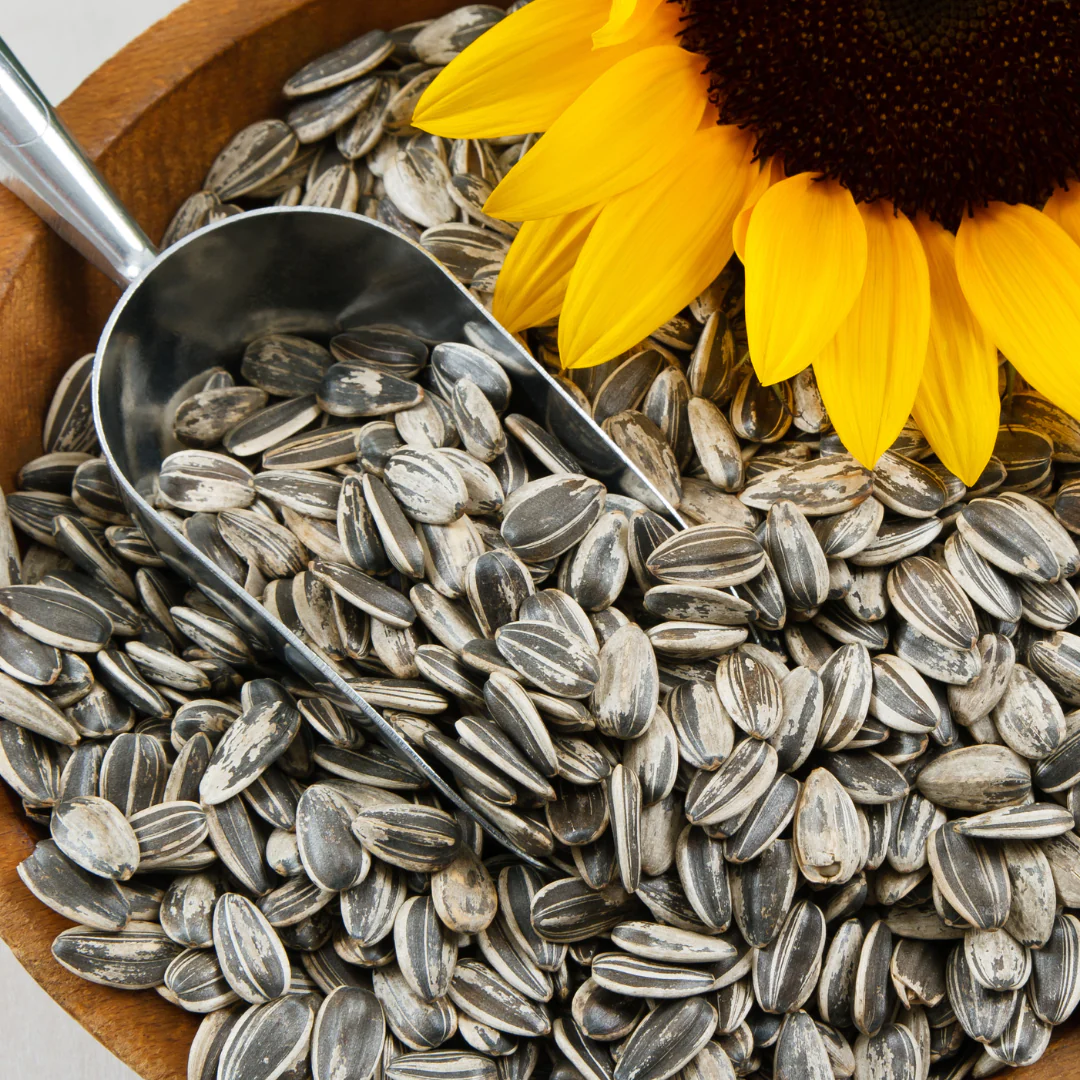
Black oil sunflower seeds (BOSS), packaged in 40 lb increments, represent a significant commodity within the agricultural and animal feed industries. These seeds, derived from Helianthus annuus, are characterized by their high oil content – typically 40-50% – and relatively thin hull. Technically, BOSS are a byproduct of sunflower oil extraction, primarily utilized as a protein and energy source for livestock, poultry, and wild bird feed. Their position in the supply chain places them downstream of initial agricultural production and oil processing, functioning as a value-added component in formulated feed mixes. Core performance indicators include oil content, protein levels, hull percentage, moisture content, and absence of aflatoxins and other contaminants. The consistent supply and favorable nutritional profile make BOSS a crucial ingredient for feed manufacturers globally, facing ongoing pressure to optimize feed formulations for cost-effectiveness and animal health.
Material Science & Manufacturing
The primary raw material, sunflower seeds, consists of approximately 20-40% hull, 30-50% oil, and 20-30% protein. The seed itself is composed of complex carbohydrates, lipids (primarily linoleic acid, oleic acid, and palmitic acid), proteins (including albumin, globulin, and glutenin), and trace minerals. The oil extraction process, typically utilizing mechanical pressing and solvent extraction (often with hexane), leaves behind the ‘cake’ which is then further processed to produce BOSS. Manufacturing involves cleaning (removal of debris, stems, and leaves), dehulling (partial removal of the outer shell), drying (to a target moisture content of 10-12% to prevent mold growth and ensure storage stability), and grading based on size and quality. Key parameter control revolves around maintaining consistent seed quality entering the process, precise temperature control during drying (to avoid denaturation of proteins and oxidation of oils), and efficient solvent removal during extraction. Hull content directly impacts digestibility and energy density. Seed quality is assessed by measuring oil content via Soxhlet extraction, protein content via Kjeldahl method, and moisture content via oven drying. Contamination levels, including heavy metals and mycotoxins, are monitored via HPLC and ELISA techniques.
Performance & Engineering
BOSS performance is intrinsically linked to its nutritional value and physical properties. Force analysis in feed processing focuses on particle size distribution (PSD) and bulk density, influencing flowability and mixing homogeneity. Smaller particle sizes enhance digestibility but can create dust issues. Environmental resistance primarily concerns moisture absorption and lipid oxidation. BOSS is hygroscopic, requiring sealed storage to maintain quality. Lipid oxidation leads to rancidity, reducing palatability and nutritional value; antioxidants are often added during storage. Compliance requirements are governed by animal feed regulations (e.g., FDA in the US, EFSA in Europe), necessitating strict control of aflatoxin levels (typically below 20 ppb) and heavy metal concentrations. The oil content provides a significant energy source (approximately 8,500 kcal/kg), vital for animal growth and production. Protein contributes to muscle development and overall health. The fiber content aids in digestive health. Engineering considerations involve optimizing storage conditions to minimize degradation and ensuring proper blending with other feed ingredients to achieve desired nutritional profiles. Shear forces during mixing must be controlled to avoid damaging the seed structure and releasing excessive dust.
Technical Specifications
| Parameter | Unit | Specification (Typical) | Test Method |
|---|---|---|---|
| Oil Content (Dry Basis) | % | 40-50 | Soxhlet Extraction (AOCS Official Method) |
| Protein Content (Dry Basis) | % | 20-25 | Kjeldahl Method (AOAC Official Method) |
| Moisture Content | % | ≤ 12 | Oven Drying (130°C, 2 hours) (AOAC Official Method) |
| Hull Content | % | 15-25 | Visual Inspection & Sieving |
| Ash Content | % | ≤ 6 | Furnace Incineration (AOAC Official Method) |
| Aflatoxin B1 | ppb | ≤ 20 | HPLC-Fluorescence (AOAC Official Method) |
Failure Mode & Maintenance
BOSS is susceptible to several failure modes. Lipid oxidation is a primary concern, leading to rancidity and a decrease in nutritional value. This is exacerbated by exposure to oxygen, light, and high temperatures. Microbial growth, specifically mold formation, can occur if moisture content exceeds 12%, producing mycotoxins like aflatoxins, rendering the product unusable. Physical degradation, such as cracking or shattering, can occur during handling and transport, reducing bulk density and increasing dust. Insect infestation, particularly by storage pests, is another potential failure mode. Maintenance involves proper storage in cool, dry, and well-ventilated conditions. Sealed containers are essential to prevent moisture absorption and oxidation. Regular monitoring of moisture content and aflatoxin levels is crucial. Implementing a ‘first-in, first-out’ (FIFO) inventory system minimizes storage time. The use of antioxidants can extend shelf life by inhibiting lipid oxidation. Preventative pest control measures, including sanitation and insect traps, are necessary. Visual inspections should be performed regularly to identify signs of spoilage or infestation.
Industry FAQ
Q: What is the impact of hull content on the nutritional value of BOSS?
A: Higher hull content reduces the digestible energy of BOSS. While fiber is beneficial, excessive hull lowers the overall energy density and can decrease nutrient absorption efficiency in animals. Formulators typically seek a balance, aiming for moderate hull levels (15-25%) to provide some fiber without significantly compromising energy content.
Q: How does moisture content affect the shelf life of BOSS?
A: Moisture content is critical. Above 12%, BOSS becomes susceptible to mold growth and mycotoxin production, significantly shortening its shelf life. Maintaining low moisture levels (≤12%) through proper drying and storage is essential for preventing spoilage and ensuring product safety.
Q: What are the key considerations regarding aflatoxin contamination?
A: Aflatoxin contamination is a major concern due to its toxicity. Strict regulations limit aflatoxin levels in animal feed (typically ≤20 ppb). Suppliers must implement rigorous quality control measures, including pre-harvest monitoring and post-harvest testing, to ensure compliance. Regular testing of each batch is crucial.
Q: Can BOSS be used in aquatic feed formulations? If so, what adjustments are necessary?
A: Yes, BOSS can be incorporated into aquatic feed, but adjustments are necessary. The relatively large particle size may require grinding to improve digestibility for certain species. The lipid content needs to be balanced with other ingredients to optimize feed efficiency and water quality. Leaching of oil can also be a concern, requiring the addition of binders.
Q: What are the benefits of using antioxidants in BOSS storage?
A: Antioxidants, such as ethoxyquin or BHT, are added to inhibit lipid oxidation, preventing rancidity and preserving the nutritional value of BOSS. They extend the shelf life and maintain palatability, ensuring animals readily consume the feed. Proper antioxidant dosage is crucial for effectiveness.
Conclusion
Black oil sunflower seeds, as a 40 lb commodity, represent a vital component in the animal feed industry. Their consistent nutritional profile, characterized by high oil and protein content, coupled with relatively low cost, makes them a preferred ingredient in numerous formulations. However, maintaining quality requires meticulous attention to manufacturing processes, storage conditions, and contaminant control. Lipid oxidation and mold growth are the primary degradation pathways, necessitating strategies such as antioxidant addition and moisture management.
Future advancements will likely focus on optimizing dehulling efficiency to reduce hull content and improve digestibility, exploring novel antioxidant blends for enhanced lipid protection, and implementing advanced analytical techniques for rapid and accurate mycotoxin detection. The continued demand for sustainable and cost-effective feed ingredients ensures that BOSS will remain a significant commodity within the agricultural supply chain.
