Introduction
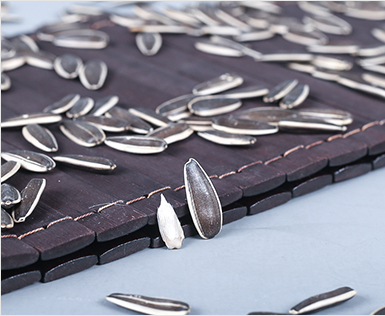
Black oil sunflower seeds (BOSS) represent a significant component in the animal feed industry, increasingly utilized in poultry, swine, and wild bird applications. These seeds, a byproduct of sunflower oil extraction, are characterized by their high oil content (typically 40-50%) and substantial protein value (20-25%). The 40 lbs packaging configuration is a common logistical unit facilitating efficient distribution and storage. Understanding the nuances of BOSS quality, processing, and potential degradation pathways is crucial for manufacturers aiming to consistently meet industry standards and customer expectations. This guide provides an in-depth technical analysis of black oil sunflower seeds, covering material science, manufacturing processes, performance characteristics, potential failure modes, and relevant industry regulations. The primary industry pain points addressed involve maintaining consistent oil content, minimizing fungal contamination (specifically aflatoxins), controlling hull integrity, and ensuring consistent particle size distribution for optimal feed formulation.
Material Science & Manufacturing
The raw material for BOSS consists of sunflower ( Helianthus annuus) seed kernels post-oil extraction. The kernel itself is composed of a hull (approximately 20-30% by weight), the kernel meat (containing the oil and protein – 70-80% by weight), and trace amounts of germ. The hull’s composition is largely cellulose and lignin, providing structural rigidity. The kernel meat is rich in linoleic acid (an omega-6 fatty acid), palmitic acid, and stearic acid, contributing to its high oil content. Protein content primarily consists of globulins and albumins.
Manufacturing begins with sunflower seed dehulling, followed by oil extraction, typically via mechanical pressing (expeller pressing) or solvent extraction (using hexane). BOSS represents the residual material after oil removal. Critical parameters during processing include kernel moisture content (ideally 9-11% during processing to prevent cracking and reduce fines), pressing temperature (influences oil yield and protein denaturation – typically 60-80°C for expeller pressing), and solvent extraction efficiency (for solvent extraction methods). Post-extraction, the BOSS undergoes screening to remove residual hulls and fines (small particle sizes). Proper cleaning and drying are paramount to prevent microbial growth. Hull fraction is carefully controlled, impacting both fiber content and palatability in animal feed. Variations in sunflower seed variety and growing conditions directly impact oil yield and seed composition, creating inherent batch-to-batch variability that manufacturers must address through rigorous quality control.
Performance & Engineering
The performance of BOSS in animal feed is dictated by its nutritional profile and physical characteristics. Oil content directly impacts energy density, a key consideration for livestock growth and production. Protein content supports muscle development and overall health. Hull content influences digestibility and provides a source of fiber. Particle size distribution is critical for pelleting and mixing in feed formulations; inconsistent particle size can lead to segregation and reduced feed efficiency.
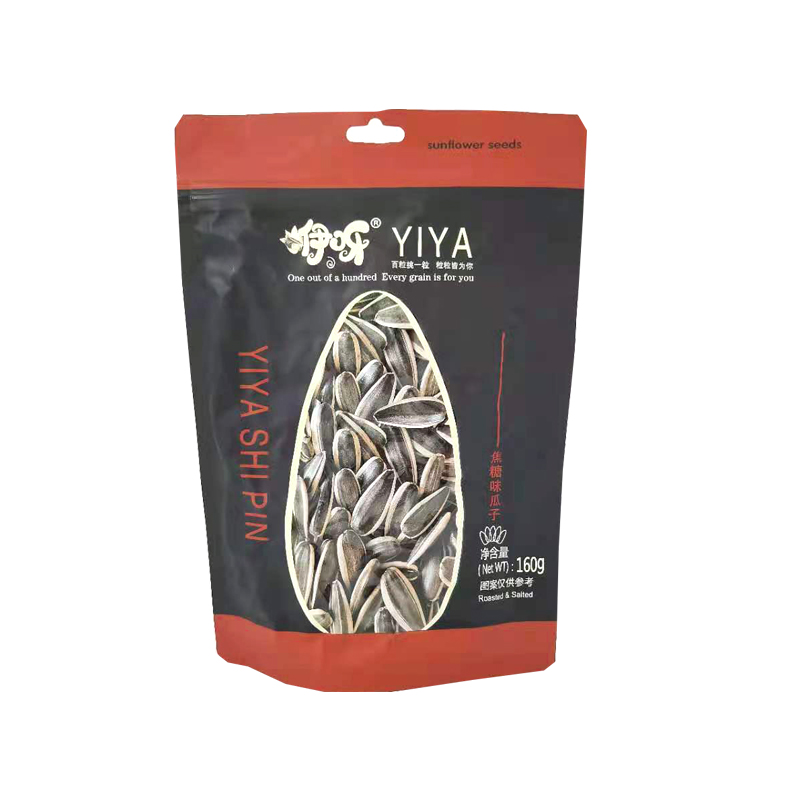
Environmental resistance primarily concerns moisture absorption and susceptibility to oxidative rancidity. BOSS is hygroscopic, readily absorbing moisture from the air, which can promote fungal growth (specifically Aspergillus flavus, leading to aflatoxin contamination). Exposure to oxygen and elevated temperatures accelerates lipid peroxidation, reducing oil quality and creating undesirable flavors. Packaging plays a vital engineering role, with multi-layer bags employing moisture barriers and oxygen scavengers to extend shelf life. Proper storage conditions – cool, dry, and dark – are essential to maintain product integrity. Compliance requirements include adherence to AAFCO (Association of American Feed Control Officials) standards for nutrient content and maximum permissible levels of contaminants, as well as regulations pertaining to packaging materials and labeling.
Technical Specifications
| Parameter | Specification | Test Method | Tolerance |
|---|---|---|---|
| Oil Content (Dry Basis) | 40-50% | Di-ethyl Ether Extraction (AOCS Official Method) | ±2% |
| Protein Content (Dry Basis) | 20-25% | Kjeldahl Method (AOCS Official Method) | ±1.5% |
| Moisture Content | ≤10% | Oven Drying (AOCS Official Method) | ±0.5% |
| Hull Content | ≤10% | Screening Analysis | ±2% |
| Aflatoxin Level | ≤20 ppb | ELISA or HPLC | 0 ppb (Strictly Monitored) |
| Particle Size (Average) | 1.0 – 2.5 mm | Sieve Analysis | ±0.3 mm |
Failure Mode & Maintenance
Common failure modes in BOSS include oxidative rancidity (resulting in off-flavors and reduced nutritional value), aflatoxin contamination (a serious health hazard for livestock), and physical degradation (breakage and formation of fines). Rancidity is driven by lipid peroxidation, accelerated by heat, light, and oxygen exposure. Aflatoxin contamination occurs when Aspergillus flavus grows on the seeds, particularly under high humidity. Physical degradation can occur during handling, transportation, and storage due to impacts and compression.
Maintenance and preventative measures involve strict quality control throughout the manufacturing process, including sourcing high-quality sunflower seeds, implementing effective cleaning and drying procedures, using antioxidant additives (e.g., ethoxyquin, BHT – within legal limits), employing appropriate packaging materials, and maintaining proper storage conditions. Regular monitoring for aflatoxins is crucial, utilizing rapid testing methods like ELISA. Implementing a First-In, First-Out (FIFO) inventory management system minimizes storage time and reduces the risk of spoilage. Visual inspection for signs of mold or insect infestation is also recommended. For long-term storage, controlled atmosphere storage (reducing oxygen levels) can significantly extend shelf life.
Industry FAQ
Q: What are the critical factors influencing aflatoxin levels in BOSS, and how can they be effectively controlled?
A: Aflatoxin production is heavily influenced by moisture content, temperature, and the presence of Aspergillus flavus spores. Controlling pre-harvest contamination through proper agricultural practices is paramount. During processing, thorough cleaning to remove infected seeds, rapid drying to below 10% moisture, and the use of antifungal treatments (where permitted by regulations) are essential. Regular testing and segregation of contaminated batches are also critical.
Q: How does hull content impact the nutritional value and performance of BOSS in poultry feed?
A: Hull content affects several aspects. Higher hull content increases fiber, which can improve gut health and feed passage rate in poultry. However, excessive hull content reduces energy density and can decrease digestibility of other nutrients. An optimal hull content (typically 8-12%) balances these effects. Consistent hull content ensures predictable feed formulations.
Q: What is the significance of particle size distribution, and how is it measured?
A: Particle size distribution directly impacts pelleting efficiency, mixing homogeneity, and feed intake. Inconsistent particle sizes lead to segregation in feed mixtures and reduced pellet durability. It’s typically measured using sieve analysis, determining the percentage of material retained on a series of sieves with decreasing mesh sizes.
Q: What are the primary methods for assessing the oxidative stability of BOSS during storage?
A: Oxidative stability is commonly assessed using the Rancimat method, which measures the induction time (the time it takes for oxidation to begin). Peroxide value (PV) and free fatty acid (FFA) analysis also provide indicators of lipid oxidation. Sensory evaluation (odor and taste) can detect rancidity at later stages, but is subjective.
Q: What packaging materials are best suited for maintaining the quality of BOSS during long-term storage and transportation?
A: Multi-layer bags incorporating a moisture barrier (e.g., polyethylene) and an oxygen barrier (e.g., aluminum foil or EVOH) are recommended. Some manufacturers also include oxygen scavengers within the packaging to further reduce oxygen levels. Palletizing and proper securing during transport minimize physical damage.
Conclusion
Black oil sunflower seeds are a valuable and versatile ingredient in the animal feed industry, offering a significant source of energy and protein. However, maintaining consistent quality and mitigating potential degradation pathways—specifically aflatoxin contamination and oxidative rancidity—requires a rigorous understanding of the material science and manufacturing processes involved. Proactive implementation of quality control measures throughout the supply chain, from seed sourcing to final packaging and storage, is paramount for manufacturers aiming to deliver a reliable and safe product.
Future advancements may focus on genetic engineering of sunflower varieties for enhanced resistance to fungal infection and improved oil profiles, as well as the development of more effective and sustainable antioxidant formulations. Continued investment in analytical technologies for rapid aflatoxin detection and real-time monitoring of oxidative stability will also be crucial for ensuring product integrity and meeting evolving industry demands.
