Introduction
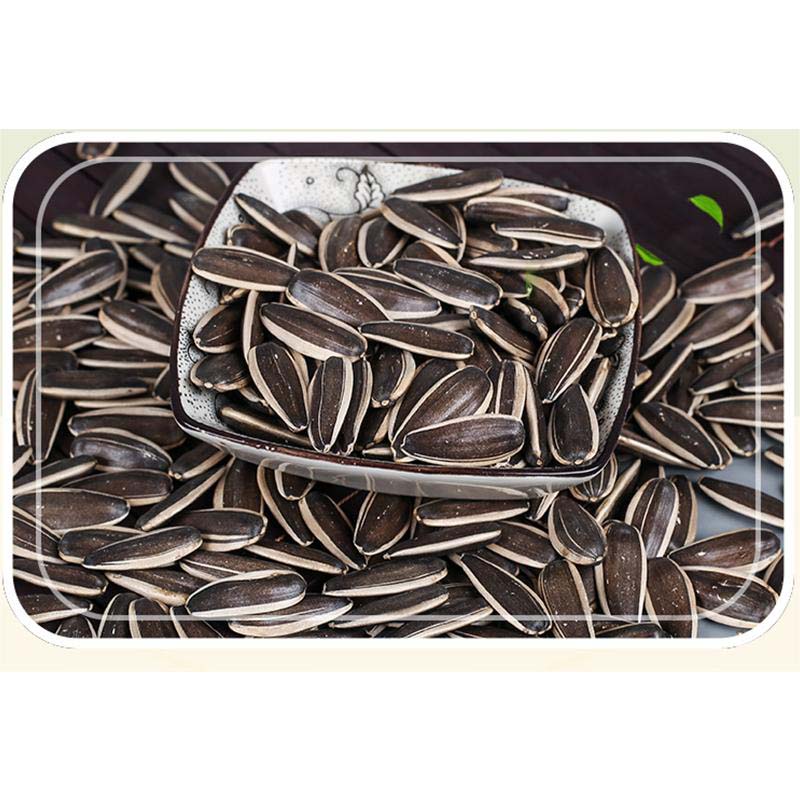
Black oil sunflower seeds (BOSS), packaged in 40 lb units for factory distribution, represent a significant component in animal feed, particularly for poultry and wild birds. These seeds are characterized by their high oil content (typically 40-50% by weight) derived from the kernel, making them a concentrated energy source. Positioned within the agricultural supply chain, BOSS acts as a co-product of sunflower oil production, transforming a previously discarded resource into a valuable commodity. Core performance characteristics include consistent oil yield, protein content, fiber levels, and moisture content, all critical for nutritional balance and storage stability. The 40 lb packaging is standardized for efficient handling and transport within industrial feed operations. This guide provides a comprehensive technical overview of BOSS, encompassing its material science, manufacturing, performance parameters, potential failure modes, and relevant industry standards.
Material Science & Manufacturing
The raw material, sunflower seeds, comprises a hull (pericarp), kernel, and embryo. The kernel is the source of the black oil, and its composition varies based on sunflower variety (high-oleic, mid-oleic, linoleic) and growing conditions. The kernel's primary components are triglycerides (oil), proteins (approximately 20-25%), carbohydrates (primarily fiber), and minor constituents like phospholipids and waxes. The hull consists largely of cellulose, hemicellulose, and lignin, providing structural integrity. Manufacturing begins with seed dehulling, separating the kernel from the hull. This is typically achieved mechanically through cracking and aspiration. The kernels then undergo oil extraction, often utilizing a screw press or solvent extraction (typically hexane). BOSS are the residual kernels remaining after oil extraction. Critical parameters during manufacturing include kernel moisture content (optimally 9-12% for efficient oil extraction and seed integrity), pressing temperature (affecting oil yield and protein denaturation), and solvent residue levels (stringent limits are imposed for animal feed safety). Post-extraction, BOSS undergo drying to reduce moisture content to 8-10% for preservation and prevent mold growth. Quality control involves assessing oil content via Soxhlet extraction, protein content via Kjeldahl analysis, and moisture content using a moisture analyzer. Particle size distribution is also monitored to ensure consistency in feed formulations. Chemical compatibility considerations include the potential for oxidation of unsaturated fatty acids, necessitating the addition of antioxidants (e.g., ethoxyquin) to extend shelf life.

Performance & Engineering
The performance of BOSS in animal feed is directly related to its nutritional profile and physical characteristics. The high oil content contributes significantly to energy density, essential for growth and reproduction. The protein content provides amino acids crucial for muscle development. Fiber content aids in digestive health. Engineering considerations focus on minimizing dust generation during handling and processing. Dustiness can lead to respiratory irritation and reduced feed efficiency. Particle size consistency is also vital for uniform mixing in feed formulations. Environmental resistance concerns primarily involve moisture uptake and subsequent spoilage. BOSS are hygroscopic and can absorb moisture from the atmosphere, promoting mold growth and reducing palatability. Proper packaging (e.g., polyethylene-lined bags) is crucial for maintaining moisture barriers. Compliance requirements include adherence to animal feed safety regulations established by agencies like the FDA (USA) and EFSA (Europe). These regulations mandate limits on contaminants (mycotoxins, heavy metals) and specify labeling requirements. Furthermore, the use of antioxidants like ethoxyquin is subject to regulatory oversight, with maximum permissible levels defined to ensure animal health. Force analysis during handling considers the compressive strength of the 40 lb bags and the shear strength of the seed mass. Bags must withstand stacking and transport stresses without rupture. Pelleting or extrusion processes, often used to incorporate BOSS into finished feeds, require consideration of the seed’s thermal stability and its impact on pellet durability.
Technical Specifications
| Parameter | Specification | Test Method | Typical Value |
|---|---|---|---|
| Oil Content (Dry Basis) | Minimum 40% | Soxhlet Extraction (AOCS Official Method) | 45-50% |
| Protein Content (Dry Basis) | Minimum 20% | Kjeldahl Method (AOCS Official Method) | 22-25% |
| Moisture Content | Maximum 10% | Oven Drying Method (AACC Approved Method) | 8-9% |
| Fiber Content (Dry Basis) | Maximum 30% | Acid Detergent Fiber (ADF) Method | 25-28% |
| Ash Content (Dry Basis) | Maximum 6% | Incineration Method | 4-5% |
| Free Fatty Acids (FFA) | Maximum 2.0% | Titration Method | 0.5-1.0% |
Failure Mode & Maintenance
Common failure modes of BOSS during storage and use include: Oxidative Rancidity: Unsaturated fatty acids are susceptible to oxidation, leading to off-flavors, reduced nutritional value, and potential health concerns. This is accelerated by exposure to oxygen, light, and heat. Mold Growth: High moisture content promotes the growth of molds, which can produce mycotoxins harmful to animals. Aspergillus and Fusarium species are common culprits. Insect Infestation: Stored BOSS can attract insects, leading to product loss and contamination. Physical Degradation: Breakage of seeds during handling can increase dust generation and reduce feed efficiency. Antioxidant Degradation: Over time, added antioxidants may lose their effectiveness, increasing susceptibility to rancidity. Maintenance and preventative measures include: Controlled Storage Conditions: Maintain a cool, dry, and well-ventilated storage environment (temperature <25°C, relative humidity <65%). Proper Packaging: Utilize moisture-proof and airtight packaging to minimize oxygen and moisture exposure. Regular Inspection: Periodically inspect stored BOSS for signs of mold, insect infestation, or rancidity. Discard any contaminated material. First-In, First-Out (FIFO) Inventory Management: Use older stock before newer stock to minimize storage time. Antioxidant Supplementation: Consider supplementing BOSS with additional antioxidants if storage duration is extended. Monitoring the effectiveness of antioxidants through peroxide value testing is recommended.
Industry FAQ
Q: What is the shelf life of black oil sunflower seeds, and how is it affected by storage conditions?
A: Under optimal storage conditions (cool, dry, and dark), BOSS typically have a shelf life of 12-18 months. However, this can be significantly reduced by exposure to heat, moisture, and oxygen. Elevated temperatures accelerate oxidation, while moisture promotes mold growth. Regular monitoring of free fatty acid levels and mycotoxin contamination is recommended for longer storage periods.
Q: How does the oil content of BOSS impact its suitability for different animal feed applications?
A: The high oil content makes BOSS an excellent energy source, particularly beneficial for poultry, swine, and growing animals. The type of oil (high-oleic, linoleic) influences its stability and nutritional value. High-oleic BOSS are more resistant to oxidation, providing longer shelf life. Lower oil content BOSS may be preferred in feeds where a lower energy density is desired.
Q: What are the critical quality control parameters for incoming shipments of BOSS?
A: Critical parameters include moisture content (maximum 10%), oil content (minimum 40%), protein content (minimum 20%), free fatty acid content (maximum 2.0%), and mycotoxin levels (must meet regulatory limits). Visual inspection for signs of mold, insect infestation, and foreign matter is also essential.
Q: What regulations govern the use of ethoxyquin as an antioxidant in BOSS for animal feed?
A: Regulations regarding ethoxyquin vary by region. In the US, the FDA sets maximum permissible levels. In Europe, EFSA provides guidance. These limits are established to ensure animal safety and minimize potential residue concerns. Compliance with these regulations is mandatory.
Q: How does particle size distribution of BOSS affect its use in pelleting or extrusion processes?
A: A consistent particle size distribution is crucial for optimal pelleting and extrusion. Finer particles can improve pellet binding, while larger particles may reduce dustiness. Deviations from the desired particle size distribution can lead to pelleting issues, such as poor durability and increased fines.
Conclusion
Black oil sunflower seeds represent a valuable and versatile ingredient in animal feed formulations. Understanding the material science underpinning their properties – from kernel composition and oil extraction techniques to the impact of moisture and oxidation – is critical for ensuring consistent quality and maximizing nutritional value. Rigorous quality control, adhering to established specifications and standards, is paramount throughout the supply chain, from factory production to final feed formulation.
The long-term viability of BOSS as a sustainable feed ingredient relies on continued advancements in processing technologies, improved storage practices, and a proactive approach to mitigating potential failure modes like rancidity and mold growth. Further research into novel antioxidant strategies and packaging materials can enhance shelf life and maintain the integrity of this essential animal feed component.
