Introduction
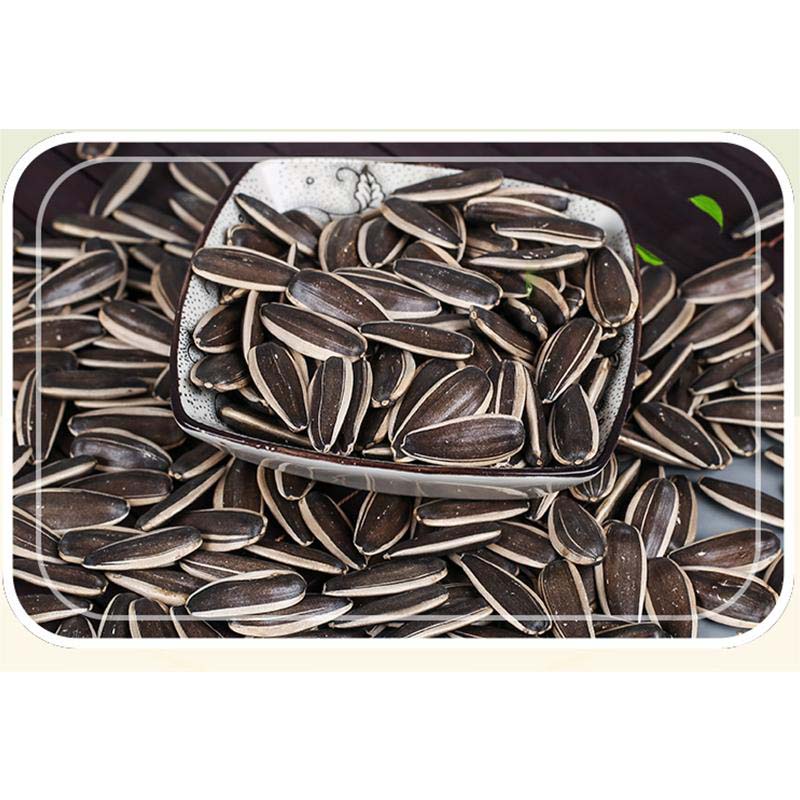
Black oil sunflower seeds (BOSS), packaged in 40 lb increments, represent a crucial component within the agricultural commodities market, primarily serving the animal feed industry. These seeds, derived from the Helianthus annuus plant, are characterized by their high oil content (typically 35-45%) and protein levels (20-25%), making them a valuable nutritional supplement for poultry, livestock, and wild bird feeds. Factories producing BOSS 40 lbs are integral to the supply chain, responsible for seed processing, oil extraction (often for human consumption or industrial purposes), and subsequent packaging and distribution. The production process demands stringent quality control, adhering to both agricultural and food safety standards to ensure optimal nutrient content and minimize contamination. This guide provides a comprehensive technical overview of BOSS 40 lbs production, covering material science, manufacturing processes, performance characteristics, potential failure modes, and relevant industry standards.
Material Science & Manufacturing
The raw material, black oil sunflower seeds, are composed primarily of carbohydrate hulls (approximately 20-30%), protein bodies (20-25%), and lipid droplets (35-45%). The kernel's hull provides structural integrity, while the oil content dictates its caloric value and functional properties. Manufacturing begins with seed harvesting and cleaning to remove foreign matter like stems, leaves, and other seeds. This is typically achieved through a combination of screening, aspiration, and gravity separation. The cleaned seeds undergo dehulling, a critical process where the outer hull is removed, often mechanically, to improve digestibility and oil extraction efficiency. Following dehulling, the kernels are heated to break down cellular structures and improve oil release. The oil is then extracted using either mechanical pressing (expelling) or solvent extraction (typically with hexane). Mechanical pressing yields a crude oil with higher quality but lower yield, while solvent extraction is more efficient but requires stringent solvent removal procedures. After oil extraction, the resulting press cake or meal is further processed: drying to reduce moisture content (typically to 8-12%), flaking to increase surface area, and cooking to denature anti-nutritional factors and improve pelletability. Finally, the processed BOSS are weighed and packaged into 40 lb bags, often constructed from polypropylene woven fabric with a polyethylene liner to maintain product integrity and prevent moisture ingress. Key parameter control includes monitoring seed moisture content throughout the process, optimizing pressing or solvent extraction conditions for maximum oil yield, and controlling drying temperatures to prevent protein denaturation.
Performance & Engineering
The performance of BOSS 40 lbs is dictated by its nutritional composition and physical properties. From an engineering standpoint, packaging design is critical. The 40 lb weight represents a compromise between efficient handling and manageable bag size. Stress analysis of the bag material is required to ensure it can withstand the static load during storage and transportation, as well as dynamic loads during handling (lifting, stacking, and moving). The polyethylene liner must exhibit adequate tensile strength and puncture resistance to prevent seed leakage. Furthermore, the packaging must provide a barrier against moisture, as high moisture content promotes fungal growth and reduces shelf life. The particle size distribution of the BOSS is also important; a consistent particle size facilitates uniform mixing in feed formulations and improves pelleting efficiency. The oil stability of the BOSS is a key performance indicator. Unsaturated fatty acids are susceptible to oxidation, leading to rancidity and reduced nutritional value. Antioxidants are often added during processing to mitigate oxidation. Compliance requirements include adherence to regulations set by the Association of American Feed Control Officials (AAFCO) regarding nutrient labeling and permissible levels of contaminants like aflatoxins and heavy metals. Force analysis during bag handling assesses the impact forces experienced by the bags and ensures the material can withstand such forces without rupture.
Technical Specifications
| Parameter | Unit | Typical Value | Testing Method |
|---|---|---|---|
| Oil Content | % | 38-42 | AOAC Official Method 920.39 |
| Protein Content | % | 22-26 | Kjeldahl Method (AOAC Official Method 920.87) |
| Moisture Content | % | 8-12 | Oven Drying Method (AOAC Official Method 925.09) |
| Fiber Content | % | 6-8 | Fibertec System (AOAC Official Method 985.29) |
| Ash Content | % | 6-8 | ASTM E831 - 99 (2015) |
| Acid Value | mg KOH/g | < 5 | Titration (AOCS Cd 3-63) |
Failure Mode & Maintenance
Several failure modes can affect BOSS 40 lbs product quality and packaging integrity. Moisture absorption during storage and transportation can lead to fungal growth (e.g., Aspergillus flavus), resulting in aflatoxin contamination, a serious health hazard. Oxidation of unsaturated fatty acids causes rancidity, decreasing nutritional value and palatability. Packaging failure, including seam rupture or liner puncture, leads to product loss and contamination. Mechanical damage during handling (dropping, impact) can cause bag breakage and seed spillage. Biological infestation by insects or rodents can result in significant product loss. Maintenance of equipment, including cleaning and lubrication of dehulling, pressing, and packaging machinery, is crucial to prevent mechanical failures and maintain process efficiency. Storage facilities must be dry, well-ventilated, and pest-controlled. Regular inspection of bags for damage and monitoring of temperature and humidity levels are essential preventative measures. Implementing a First-In, First-Out (FIFO) inventory management system minimizes storage time and reduces the risk of product degradation. Preventative maintenance schedules for all processing equipment are necessary. Furthermore, regular lab analysis for aflatoxin levels and peroxide value (an indicator of oxidation) is required for quality control.
Industry FAQ
Q: What is the significance of the acid value in BOSS, and how does it relate to product quality?
A: The acid value indicates the amount of free fatty acids present in the BOSS. A higher acid value signifies a greater degree of hydrolysis and oxidation, leading to rancidity and a decrease in nutritional value. It is a crucial indicator of oil quality and product shelf life. A low acid value (<5 mg KOH/g) is generally desirable.
Q: How do variations in seed moisture content during processing affect oil yield and BOSS quality?
A: Optimal seed moisture content is critical for efficient oil extraction. Too low moisture can result in brittle seeds and reduced oil release, while too high moisture can hinder oil separation and promote microbial growth. Maintaining a consistent moisture content (typically around 10-12%) throughout the process maximizes oil yield and preserves product quality.
Q: What measures are taken to prevent aflatoxin contamination in BOSS destined for animal feed?
A: Aflatoxin contamination is a major concern. Prevention strategies include sourcing seeds from regions with low aflatoxin incidence, implementing rigorous cleaning and sorting procedures, maintaining proper storage conditions (low moisture, good ventilation), and incorporating effective quality control testing for aflatoxin levels throughout the process. The use of certain mold inhibitors is also practiced, within regulatory limits.
Q: What are the key differences between mechanically pressed BOSS and solvent-extracted BOSS in terms of nutritional composition and quality?
A: Mechanically pressed BOSS retains more of the natural pigments and nutrients present in the seed, but typically has a lower oil content. Solvent-extracted BOSS offers higher oil yield but may contain trace amounts of residual solvent, requiring careful quality control. The protein quality is generally comparable between the two types.
Q: How does packaging material selection impact the shelf life and integrity of packaged BOSS?
A: The packaging material must provide an effective barrier against moisture, oxygen, and light, which can all contribute to product degradation. Polypropylene woven fabric with a polyethylene liner is commonly used due to its strength, moisture resistance, and cost-effectiveness. The liner's thickness and tensile strength are crucial for preventing leaks and maintaining product integrity.
Conclusion
The production of black oil sunflower seeds 40 lbs is a complex process demanding precise control over material science principles and engineering parameters. Maintaining high oil content, optimal protein levels, and minimizing contamination are paramount for ensuring product quality and meeting the demands of the animal feed industry. Consistent monitoring of key specifications, implementation of robust maintenance procedures, and adherence to stringent regulatory standards are essential for successful operation.
Future trends in BOSS production may involve the development of more sustainable processing methods, such as enzymatic oil extraction, and the incorporation of advanced packaging materials with enhanced barrier properties. Further research into optimizing antioxidant strategies to improve oil stability and extend shelf life will also be crucial. Ultimately, a commitment to continuous improvement and technological innovation will drive the industry forward, ensuring a reliable and high-quality supply of this essential animal feed ingredient.
