Introduction
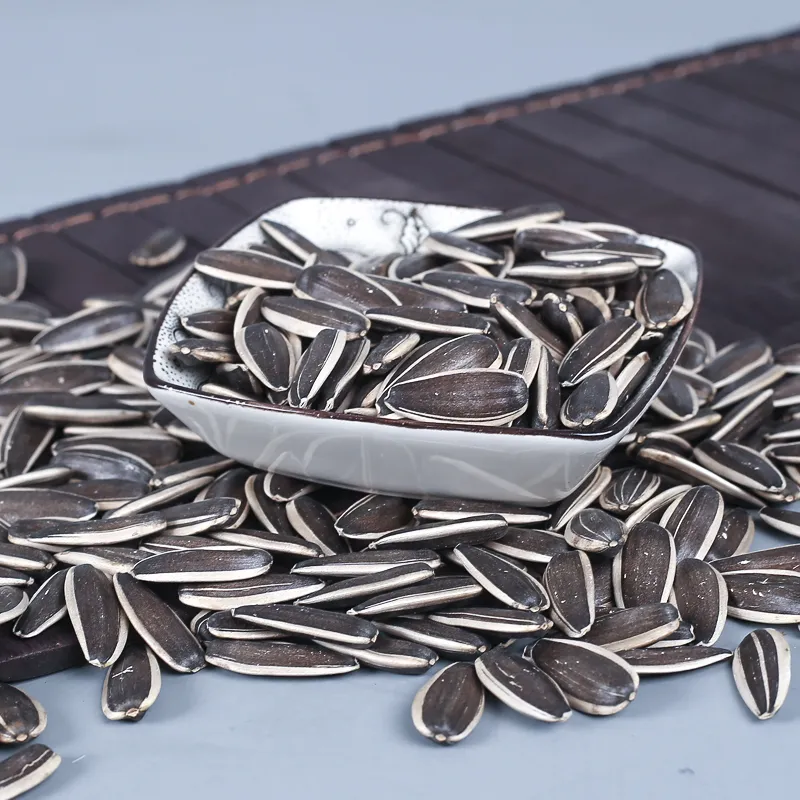
Black oil sunflower seeds (BOSS), typically packaged and exported in 40 lb units, represent a significant commodity within the agricultural and feed industries. These seeds, derived from the Helianthus annuus species, are distinct from confectionary sunflower seeds due to their high oil content (typically 40-50%) and lower hull percentage. Their primary application is as a protein-rich ingredient in animal feed, particularly for poultry, swine, and ruminants, but are also increasingly used in wild bird feed and emerging applications such as biodiesel production and human nutritional supplements. The export market demands consistent quality parameters concerning oil content, protein levels, moisture, and absence of contaminants. This guide details the material science, manufacturing, performance characteristics, potential failure modes, and relevant standards associated with exporting 40lb units of black oil sunflower seeds, targeting procurement managers and technical personnel involved in the global supply chain.
Material Science & Manufacturing
The raw material, black oil sunflower seeds, are composed of approximately 20-25% protein, 40-50% oil, 10-15% hull, and 5-10% moisture. The oil is predominantly linoleic acid (a polyunsaturated omega-6 fatty acid) and oleic acid (a monounsaturated omega-9 fatty acid). The protein fraction consists of essential amino acids crucial for animal nutrition. The hull, or seed coat, primarily comprises cellulose and lignin, providing structural integrity. Manufacturing begins with harvesting mature sunflower heads. Seeds are extracted through mechanical threshing and then cleaned to remove plant debris. A crucial step is dehulling, which can be achieved mechanically through abrasive processes or utilizing cracking methods. BOSS production necessitates minimizing hull damage during dehulling to preserve oil yield. Subsequently, the seeds undergo drying to achieve a consistent moisture content, typically below 9%, critical for preventing fungal growth and maintaining seed quality during storage and transport. Quality control at this stage includes monitoring for mycotoxins (aflatoxins, zearalenone) and foreign materials. Packaging into 40 lb bags (typically polypropylene woven bags with polyethylene liners) is a vital step; bag integrity and sealing are paramount to prevent moisture ingress and contamination. Parameter control focuses on seed moisture content (monitored via moisture analyzers), oil content (determined through Soxhlet extraction or NMR), and protein content (measured using Kjeldahl or Dumas methods).
Performance & Engineering
The performance of BOSS as a feed ingredient is directly linked to its nutritional profile and physical characteristics. Oil content dictates energy density, while protein content influences growth and muscle development in livestock. Bulk density is a critical engineering consideration for storage and transportation efficiency; variations in seed size and hull content influence bulk density. Flowability, or the ease with which seeds move through conveying systems, is crucial for automated handling. Frictional forces between seeds and equipment surfaces determine flowability, impacted by moisture content and seed shape. Environmental resistance primarily focuses on maintaining seed quality during storage and transport. High humidity promotes microbial growth, leading to spoilage and mycotoxin production. Temperature fluctuations can induce condensation within packaging, exacerbating moisture issues. Bag strength and resistance to puncture are vital to prevent seed loss during handling. Compliance requirements include adherence to international feed safety regulations (e.g., those set by the FDA in the US or EFSA in Europe), maximum allowable limits for mycotoxins, and labeling requirements. The engineering design of storage facilities must consider ventilation, temperature control, and pest control to preserve seed integrity. Force analysis during handling involves assessing the stress on bags during stacking, loading/unloading, and transportation, ensuring they can withstand anticipated loads without rupture.
Technical Specifications
| Parameter | Units | Typical Value | Acceptable Range |
|---|---|---|---|
| Oil Content (Dry Matter Basis) | % | 45 | 40-50 |
| Protein Content (Dry Matter Basis) | % | 22 | 20-25 |
| Moisture Content | % | 7 | ≤ 9 |
| Hull Content | % | 12 | 8-15 |
| Ash Content | % | 6 | 5-7 |
| Aflatoxin B1 | ppb | <20 | ≤20 (Maximum allowable) |
Failure Mode & Maintenance
Failure modes for exported BOSS primarily relate to quality degradation during storage and transport. A common failure is lipid oxidation, leading to rancidity, reduced nutritional value, and off-flavors. This is accelerated by exposure to oxygen, light, and high temperatures. Microbial spoilage, particularly fungal growth, results in mycotoxin contamination (aflatoxins being the most significant concern) making the product unsafe for animal consumption. This is driven by high moisture content and inadequate ventilation. Physical damage to packaging (bag rupture) can lead to seed loss, contamination, and moisture ingress. Insect infestation can also compromise seed quality. Maintenance (preventative measures) includes proper drying to below 9% moisture, storage in cool, dry, and well-ventilated facilities, use of oxygen-absorbing packaging materials, and regular pest control programs. For shipped goods, monitoring temperature and humidity during transit is crucial. Implementing a First-In, First-Out (FIFO) inventory management system minimizes storage duration and reduces the risk of quality degradation. Regular laboratory testing for oil quality (peroxide value, acidity), protein content, moisture content, and mycotoxin levels is essential for quality assurance. If rancidity is detected, the product is considered unfit for consumption. Mycotoxin contamination necessitates rejection of the entire batch.
Industry FAQ
Q: What is the acceptable level of free fatty acids (FFA) in BOSS destined for poultry feed?
A: The acceptable FFA level depends on the specific feed formulation and customer requirements, but generally, FFA levels should be below 2% to minimize negative impacts on feed quality and palatability. Higher FFA levels indicate lipid hydrolysis and potential rancidity. We regularly test for FFA content as part of our quality control program.
Q: How do you ensure the absence of genetically modified (GM) sunflower seeds in your exports?
A: We source our seeds from suppliers who practice non-GM cultivation. We maintain a rigorous traceability system and require Certificates of Analysis (COAs) verifying the non-GM status of each lot. Independent third-party testing is also conducted periodically to confirm compliance.
Q: What is the recommended storage temperature and humidity for maintaining BOSS quality during long-term storage?
A: The optimal storage conditions are a temperature below 20°C (68°F) and a relative humidity below 65%. Higher temperatures accelerate lipid oxidation and microbial growth. Good ventilation is also essential to prevent moisture buildup.
Q: What type of packaging do you use to minimize moisture ingress and maintain seed integrity during sea transport?
A: We utilize polypropylene woven bags with a polyethylene (PE) liner, offering excellent moisture resistance. The bags are heat-sealed to ensure a tight closure. We also offer palletizing and stretch-wrapping to provide additional protection during handling and transport. We can also incorporate oxygen absorbers inside the bags to further extend shelf life.
Q: What documentation is provided with each export shipment to verify product quality and compliance?
A: Each shipment is accompanied by a comprehensive package of documentation, including a Certificate of Analysis (COA) detailing oil content, protein content, moisture content, aflatoxin levels, and FFA levels. We also provide a phytosanitary certificate, a certificate of origin, and a packing list detailing the number of bags and net weight.
Conclusion
The successful export of 40lb units of black oil sunflower seeds hinges on a thorough understanding of the material’s properties, rigorous quality control throughout the manufacturing process, and adherence to international standards. Maintaining optimal moisture content, minimizing hull damage during dehulling, and employing appropriate packaging are critical for preserving seed quality and preventing spoilage. Proactive monitoring for mycotoxins and implementing robust storage and transport protocols are paramount for ensuring product safety and meeting the demands of a discerning global market.
Looking forward, advancements in seed processing technologies, such as improved dehulling methods and the application of edible coatings, may further enhance seed quality and extend shelf life. Increased focus on sustainable agricultural practices and traceability systems will be vital for meeting evolving consumer preferences and regulatory requirements. Continuous investment in laboratory testing and quality assurance programs will remain essential for maintaining a competitive edge in the international BOSS export market.
