Introduction
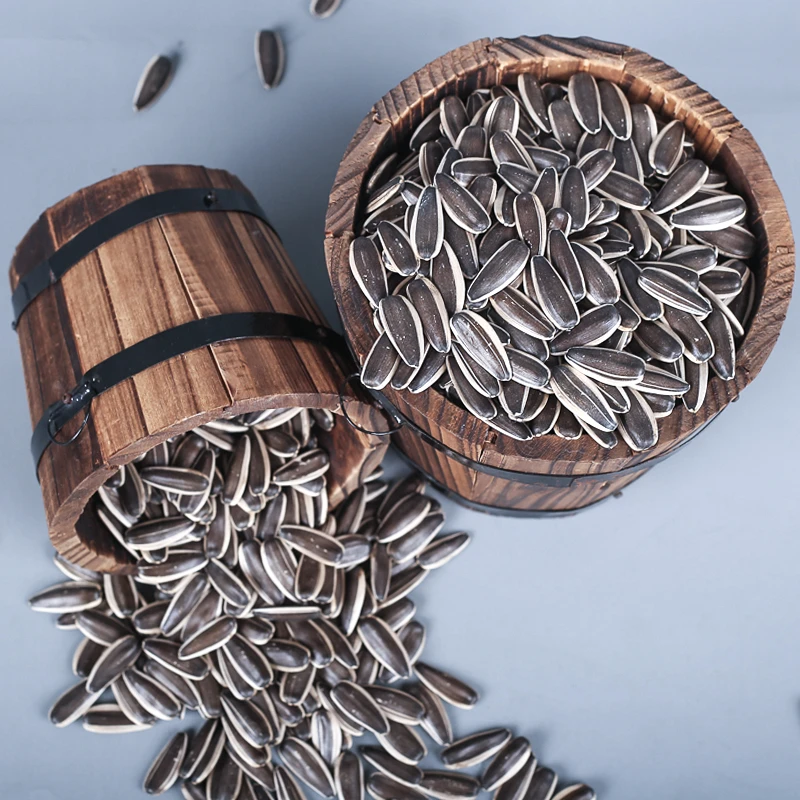
Black oil sunflower seeds (BOSS), exported in 40lb units, represent a critical component in the animal feed industry, particularly for poultry, swine, and aquaculture. This technical guide details the characteristics, production, performance, and potential failure modes associated with BOSS exports, addressing key concerns for procurement managers and quality control engineers. BOSS distinguishes itself from confectionary sunflower seeds due to its high oil content (typically 40-50%), making it a highly efficient energy source. Its role extends beyond feed; the residual meal following oil extraction serves as a protein-rich supplement. This document will cover the entire supply chain, from seed variety and harvesting to packaging and long-term storage considerations vital for maintaining product integrity and meeting international quality standards. Maintaining consistent quality is paramount, as variations in oil content, moisture, and free fatty acid levels directly impact nutritional value and shelf life.
Material Science & Manufacturing
The raw material, black oil sunflower seeds, consists primarily of a hull (approximately 20-30% by weight), kernel (60-70%), and oil (40-50% within the kernel). The kernel's composition includes proteins (20-25%), carbohydrates (15-20%), and fiber (10-15%). Manufacturing begins with selecting high-oleic sunflower varieties specifically bred for oil production. Harvesting occurs when seed moisture content reaches 10-12% for optimal oil yield and minimal damage. Mechanical harvesting followed by cleaning (removal of stems, leaves, and debris) is standard. The critical processing step is cold-pressing or solvent extraction to remove the oil. Cold-pressing yields a higher quality meal with more intact proteins but lower oil extraction efficiency. Solvent extraction, typically using hexane, is more efficient but requires rigorous solvent removal to meet food safety regulations. Post-extraction, the seeds undergo further processing: dehulling (removal of the outer shell), flaking, and sometimes further drying to achieve a specified moisture content (typically <10%). Quality control throughout the process involves monitoring oil content via Soxhlet extraction, protein content via Kjeldahl method, and moisture content via oven drying. Parameter control focuses on temperature during drying (to prevent protein denaturation) and solvent residue during extraction (to comply with regulatory limits).
Performance & Engineering
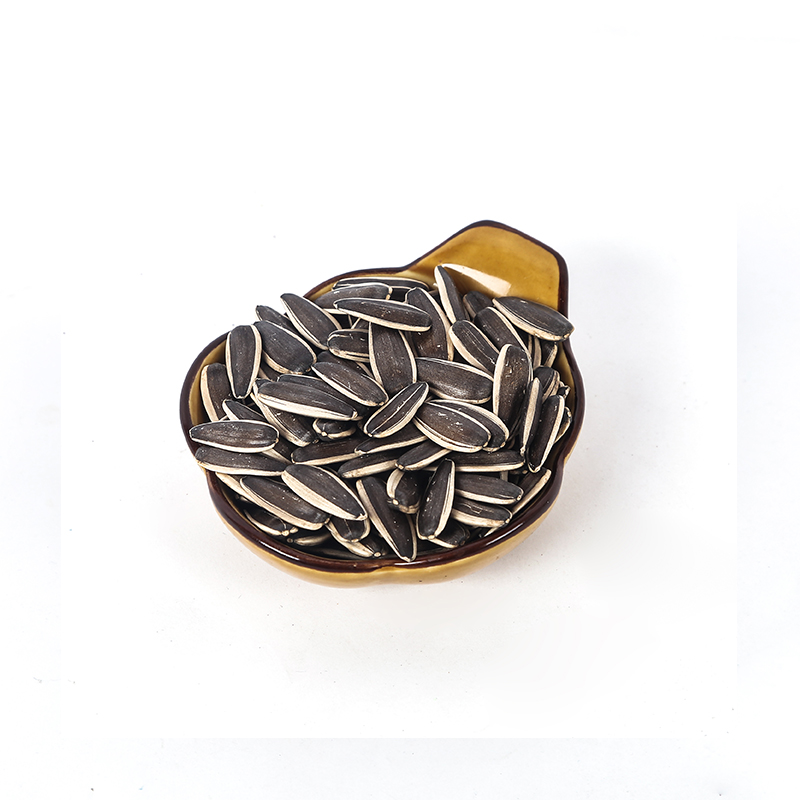
The performance of BOSS as a feed ingredient is directly tied to its energy density and nutrient profile. The high oil content provides a concentrated source of linoleic and oleic fatty acids, essential for animal growth and health. The kernel's protein content contributes to muscle development and overall nutritional balance. Engineering considerations center on bulk density, flowability, and dust control during handling and storage. Bulk density (approximately 40-50 lbs/cubic foot) influences storage capacity and transportation costs. Flowability is crucial for automated feed processing systems; poor flowability can lead to bridging and equipment jams. Dust control is essential for worker safety and preventing fire hazards. Environmental resistance considerations include moisture absorption, which can lead to mold growth and mycotoxin contamination. BOSS is hygroscopic and requires storage in dry, well-ventilated conditions. Compliance requirements include adherence to phytosanitary regulations to prevent the spread of pests and diseases, as well as meeting import regulations regarding oil content, moisture levels, and allowable contaminants (e.g., heavy metals, pesticides). Force analysis during handling relates to the impact forces during bag stacking and transportation, requiring durable packaging to prevent breakage and spillage.
Technical Specifications
| Parameter | Units | Typical Value | Acceptable Range |
|---|---|---|---|
| Oil Content (Dry Matter Basis) | % | 45 | 40-50 |
| Protein Content (Dry Matter Basis) | % | 23 | 20-26 |
| Moisture Content | % | 8 | <10 |
| Fiber Content (Dry Matter Basis) | % | 12 | 10-15 |
| Free Fatty Acid (FFA) | % | 1.5 | <2.0 |
| Peroxide Value | meq O2/kg | 5 | <10 |
Failure Mode & Maintenance
Failure modes for BOSS during storage and transport primarily relate to degradation of oil quality and seed integrity. Oxidation of unsaturated fatty acids leads to rancidity, characterized by unpleasant odors and reduced nutritional value. This is accelerated by exposure to oxygen, light, and heat. Hydrolysis of triglycerides results in the formation of free fatty acids, further contributing to rancidity and potentially reducing digestibility. Moisture absorption promotes mold growth, leading to mycotoxin contamination (e.g., aflatoxins, ochratoxins). Physical damage during handling (bag breakage, seed cracking) can increase surface area exposed to oxygen and moisture. Insect infestation is another potential failure mode, especially during prolonged storage. Maintenance strategies involve storing BOSS in cool, dry, dark conditions, utilizing airtight packaging (e.g., polyethylene-lined bags), and implementing a first-in, first-out (FIFO) inventory management system. Regular monitoring of moisture content, FFA levels, and peroxide value is crucial for detecting early signs of degradation. Preventative measures include the addition of antioxidants (e.g., ethoxyquin, BHA/BHT) within regulatory limits. For large-scale storage, controlled atmosphere storage (reducing oxygen levels) can significantly extend shelf life.
Industry FAQ
Q: What is the impact of varying oil content on the feed formulation?
A: Variations in oil content necessitate adjustments to feed formulations to maintain consistent energy levels. Lower oil content requires increasing the proportion of other fat sources, while higher oil content may necessitate reducing other lipid inputs to avoid exceeding dietary fat limits. Accurate oil content analysis is, therefore, crucial for precise ration balancing.
Q: How do you ensure the absence of harmful mycotoxins in the exported BOSS?
A: Our sourcing protocols prioritize suppliers with robust quality control systems, including pre-harvest monitoring for fungal infections and regular testing of finished products for mycotoxins (aflatoxin, ochratoxin, fumonisin, zearalenone). We utilize HPLC analysis with validated methods and adhere to established regulatory limits for mycotoxin levels.
Q: What packaging materials are used to minimize moisture absorption during transit?
A: We employ multi-layered packaging consisting of polypropylene woven bags with an internal polyethylene liner. The polyethylene liner provides a moisture barrier, while the woven bag offers structural integrity and protection against physical damage. Bags are securely sealed to prevent ingress of moisture and contaminants.
Q: What are the key differences between cold-pressed and solvent-extracted BOSS, and which is preferred for animal feed?
A: Cold-pressed BOSS retains more of the natural antioxidants and proteins but has a lower oil content. Solvent-extracted BOSS has a higher oil content but may have trace solvent residues if not properly processed. For most animal feed applications, solvent-extracted BOSS is preferred due to its higher energy density. However, stringent quality control is vital to ensure solvent residue levels are within acceptable limits.
Q: What is the typical shelf life of BOSS under optimal storage conditions?
A: Under optimal storage conditions (cool, dry, dark, and airtight packaging), BOSS can typically maintain its quality for up to 12 months. However, regular monitoring of key quality parameters (moisture, FFA, peroxide value) is recommended to ensure product integrity throughout the storage period.
Conclusion
Black oil sunflower seeds exported in 40lb units represent a valuable and versatile ingredient in the animal feed industry. Maintaining consistent quality requires meticulous attention to detail throughout the entire supply chain, from seed selection and harvesting to processing, packaging, and storage. Understanding the material science, potential failure modes, and relevant technical specifications is paramount for ensuring product efficacy and mitigating risks associated with degradation or contamination.
Future trends in BOSS production include advancements in breeding programs to enhance oil content and improve disease resistance, as well as the development of more sustainable extraction methods. Continued investment in quality control technologies and adherence to international standards will be crucial for maintaining the competitiveness of BOSS as a globally traded commodity. Proactive monitoring of emerging regulations regarding mycotoxin limits and solvent residues is also essential for ensuring compliance and market access.
