Introduction
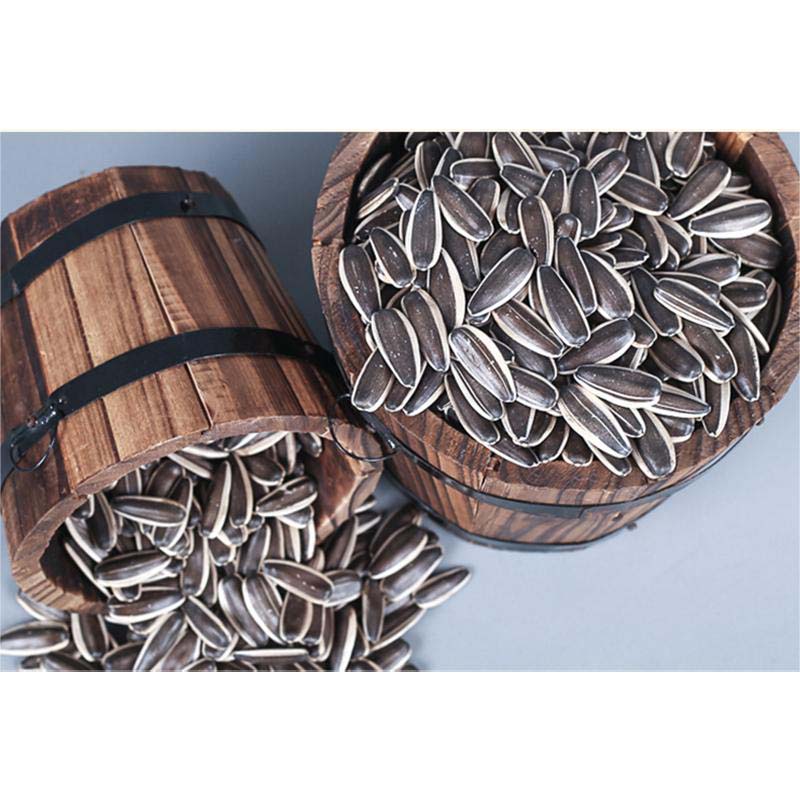
Baked sunflower seeds represent a significant segment within the broader snack food industry, functioning as a processed agricultural commodity. Their position in the value chain begins with sunflower seed cultivation, progresses through cleaning, dehulling, drying, baking/flavoring, and concludes with packaging and distribution to both retail and wholesale markets. The industry’s core performance metrics revolve around seed quality (oil content, protein levels, size uniformity), baking consistency (moisture content, color uniformity, flavor adhesion), and shelf-life stability, addressing critical consumer demands for taste, texture, and nutritional value. A primary industry pain point lies in maintaining consistent quality and flavor profiles across large-scale production runs, managing acrylamide formation during the baking process, and adhering to increasingly stringent food safety regulations. Suppliers must navigate volatile raw material costs and the growing demand for organic and non-GMO options to remain competitive. Furthermore, packaging integrity to prevent rancidity and moisture absorption is paramount to product longevity and consumer satisfaction.
Material Science & Manufacturing
The primary raw material is the sunflower seed ( Helianthus annuus), a dicotyledonous plant seed containing approximately 35-50% oil, 20-25% protein, and 15-20% carbohydrates. Seed variety significantly impacts oil composition (oleic, linoleic, palmitic acids) affecting flavor stability and nutritional profile. Manufacturing begins with cleaning to remove debris and foreign materials. Dehulling is typically achieved mechanically, separating the kernel from the hull. Drying reduces moisture content to approximately 8-10% to prevent microbial growth and optimize baking. The baking process is critical, typically employing hot air ovens at temperatures ranging from 150-180°C for 15-30 minutes. This temperature range is a crucial parameter, impacting both flavor development (Maillard reaction) and the potential formation of acrylamide, a regulated compound. Flavoring is applied post-baking, often utilizing oil-based coatings containing salt, spices, and other additives. Parameter control during baking is essential, with precise temperature and time management influencing seed expansion, texture (crispness), and flavor intensity. Moisture migration analysis using water activity (Aw) measurements is conducted to ensure product stability. Chemical compatibility of flavoring agents with the seed oil is also verified to prevent off-flavors and rancidity.
Performance & Engineering
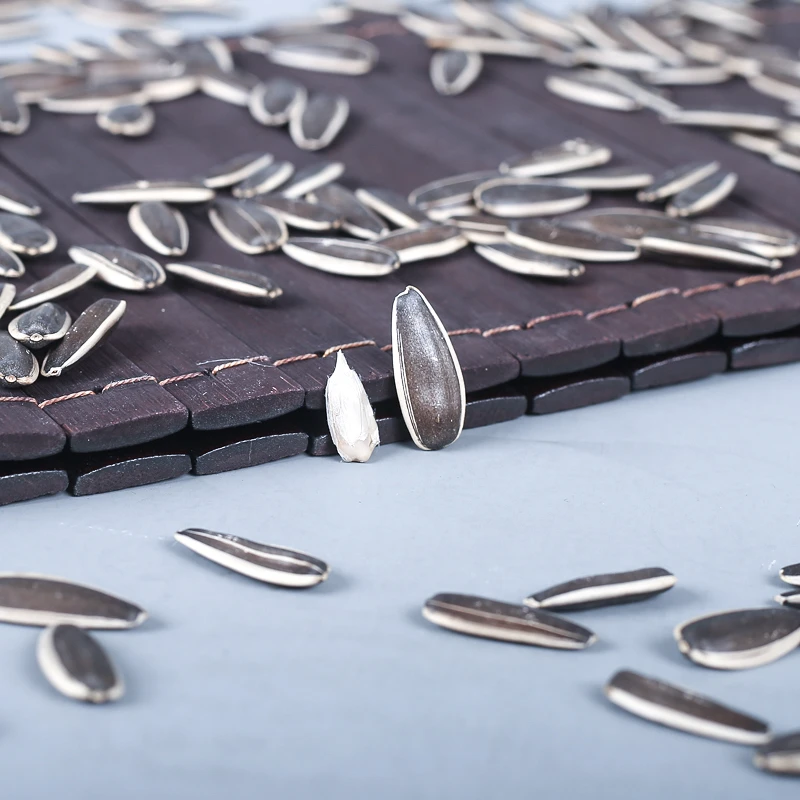
Performance assessment of baked sunflower seeds centers on several key engineering principles. Force analysis is applied during dehulling to optimize kernel integrity and minimize damage. The baking process is governed by heat transfer principles, ensuring uniform heating and moisture removal. Environmental resistance relates primarily to moisture control – packaged seeds must maintain a low Aw value (<0.6) to prevent microbial growth and lipid oxidation. Packaging material selection is critical, requiring materials with low oxygen transmission rates (OTR) and low water vapor transmission rates (WVTR). Compliance requirements include adherence to FDA regulations (USA), EFSA regulations (Europe), and relevant national food safety standards. Regarding functional implementation, seed size and shape uniformity influence flowability during packaging operations, impacting filling accuracy and production efficiency. Furthermore, the coating application process requires precise control of viscosity, adhesion, and coverage to achieve consistent flavor distribution. Material strength testing of packaging films is conducted to ensure they withstand handling and transportation stresses.
Technical Specifications
| Parameter | Unit | Specification | Test Method |
|---|---|---|---|
| Moisture Content | % | 8.0 – 10.0 | AOAC 925.10 |
| Oil Content | % | 45 – 55 | SOXTEC Method |
| Acrylamide Content | µg/kg | <100 | GC-MS |
| Water Activity (Aw) | - | <0.6 | Water Activity Meter |
| Particle Size (Average Kernel Diameter) | mm | 10 – 12 | Sieve Analysis |
| Peroxide Value (Indicator of Rancidity) | meq O2/kg | <5 | AOCS Cd 8-53 |
Failure Mode & Maintenance
Common failure modes in baked sunflower seeds include rancidity (lipid oxidation), moisture absorption leading to softening and microbial growth, acrylamide formation exceeding regulatory limits, and packaging failure resulting in product contamination. Rancidity is driven by exposure to oxygen, light, and heat, and is mitigated by proper packaging and the addition of antioxidants (e.g., Vitamin E). Moisture absorption is a consequence of inadequate barrier properties in the packaging material. Acrylamide formation is primarily temperature-dependent; minimizing baking temperatures and times can reduce its concentration. Packaging failure can stem from punctures, tears, or seal defects, leading to loss of barrier protection. Maintenance strategies involve strict process control during baking, meticulous packaging procedures, regular quality control testing (oil content, moisture content, Aw, acrylamide levels), and proper storage conditions (cool, dry, dark environment). Implementing a First-In, First-Out (FIFO) inventory management system is crucial to minimize storage time and maintain product freshness. Regular audits of packaging material integrity are also essential. Root cause analysis of failures should be conducted to identify and address underlying process deficiencies.
Industry FAQ
Q: What factors contribute to the development of a bitter taste in baked sunflower seeds?
A: A bitter taste often arises from lipid oxidation, resulting in the formation of aldehydes and ketones. This is exacerbated by exposure to oxygen, light, and high temperatures. Utilizing appropriate packaging with low OTR, adding antioxidants (Vitamin E, rosemary extract), and optimizing baking parameters to minimize heat exposure are crucial mitigation strategies. Additionally, the inherent oil composition of the sunflower seed variety can influence susceptibility to rancidity.
Q: How can acrylamide formation be minimized during the baking process?
A: Acrylamide formation is primarily influenced by temperature and baking time. Lowering the baking temperature, reducing baking duration, and carefully controlling the seed's moisture content prior to baking can effectively minimize acrylamide levels. Utilizing asparaginase enzyme treatment, which reduces the precursor asparagine, is another advanced technique. Regular acrylamide testing is essential to ensure compliance with regulatory limits.
Q: What packaging materials offer the best barrier properties for maintaining sunflower seed freshness?
A: Multi-layer films incorporating aluminum foil, metalized polyester (PET), or ethylene vinyl alcohol (EVOH) offer superior barrier properties against oxygen, moisture, and light. The specific selection depends on cost considerations and desired shelf life. A hermetically sealed package is essential to maintain product quality. Permeability testing of packaging materials is critical to ensure adequate protection.
Q: What is the significance of water activity (Aw) in sunflower seed stability?
A: Water activity (Aw) is a measure of unbound water available for microbial growth and chemical reactions. Maintaining a low Aw (<0.6) inhibits microbial proliferation and slows down lipid oxidation, thus extending shelf life. Proper drying of seeds prior to baking and the use of moisture-barrier packaging are critical for controlling Aw.
Q: What quality control measures are essential for ensuring consistent product quality?
A: Essential quality control measures include regular monitoring of raw material quality (oil content, protein levels), precise control of baking parameters (temperature, time, moisture content), frequent testing of finished product attributes (moisture content, Aw, acrylamide levels, peroxide value), and rigorous packaging inspection. Statistical Process Control (SPC) should be implemented to identify and address process variations.
Conclusion
The production of high-quality baked sunflower seeds necessitates a comprehensive understanding of material science, manufacturing processes, and rigorous quality control. Maintaining consistent product performance requires precise parameter control during baking, effective moisture management, and the utilization of appropriate packaging materials to prevent rancidity and maintain freshness. Addressing the challenge of acrylamide formation is paramount to meeting stringent food safety regulations.
Future advancements in this industry will likely focus on optimizing baking technologies to minimize acrylamide while maximizing flavor development, exploring innovative packaging solutions with enhanced barrier properties and sustainability, and leveraging data analytics to improve process control and predict product shelf life. Continued investment in research and development will be essential to meet evolving consumer demands for healthier and more flavorful snack options.
