Introduction
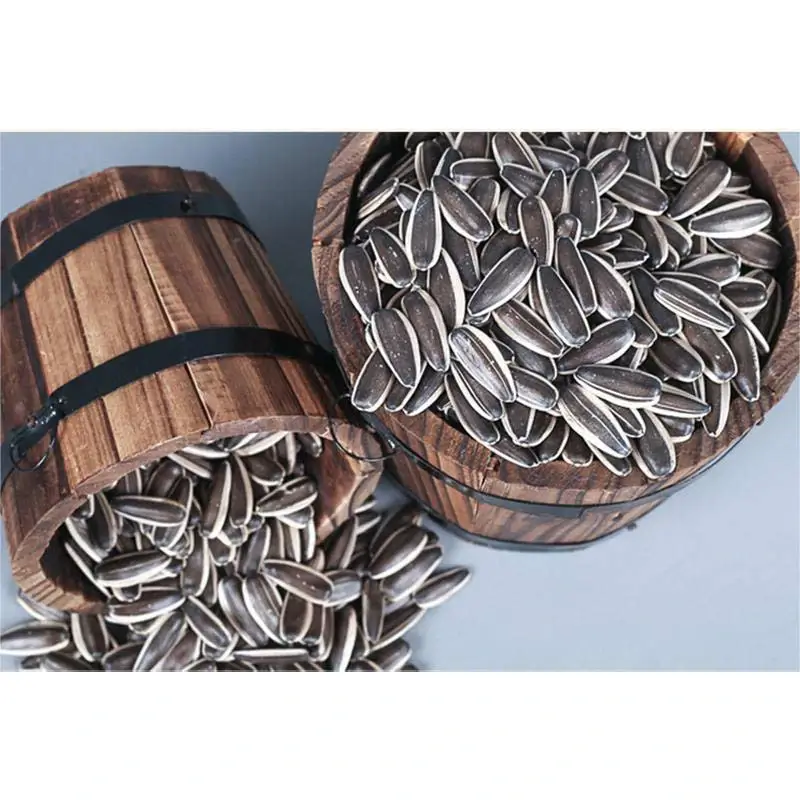
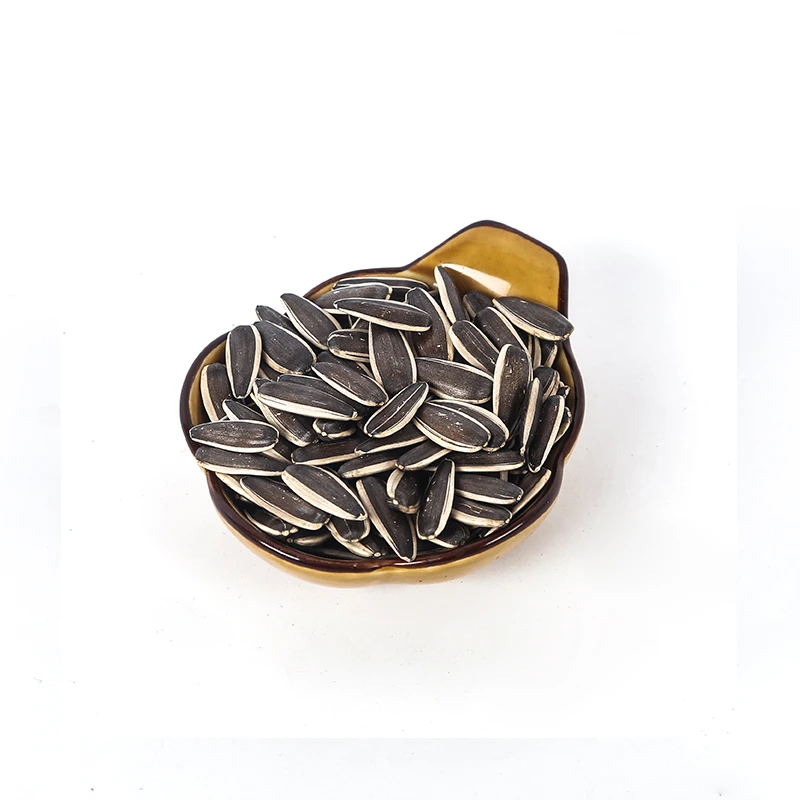
Baked sunflower seeds represent a significant segment within the snack food industry, positioned as a nutritious and convenient option for consumers. Technically, they are the processed fruit of the Helianthus annuus plant, undergoing cleaning, dehulling (often partial), drying, and a baking process to enhance flavor and palatability. Within the food production chain, sunflower seeds originate from agricultural commodity markets, are processed by seed manufacturers, and then undergo further transformation by snack food companies. Core performance characteristics center around moisture content, oil content, residual shell fragments, flavor profile consistency, and microbiological safety. The increasing demand for healthier snacking options, coupled with advancements in flavor technology, drives continuous refinement of baking processes and seed variety selection. Key industry challenges include mitigating acrylamide formation during baking, ensuring consistent seed quality from varied agricultural yields, and maintaining shell-free ratios for consumer acceptance.
Material Science & Manufacturing
The primary raw material, sunflower seeds, comprises approximately 35-50% oil (oleic and linoleic acids), 20-25% protein, 15-20% carbohydrate (primarily cellulose and hemicellulose in the shell), and 5-10% moisture. Seed variety significantly impacts oil profile and protein composition. Manufacturing begins with receiving and cleaning seeds to remove foreign materials (stones, stems, dirt). Dehulling, a crucial step, involves mechanical abrasion to remove the outer hull. This process is not always complete, resulting in varying levels of shell fragments in the final product. Baking utilizes controlled heat application (typically 150-180°C) for a specified duration (15-30 minutes) to reduce moisture content to approximately 2-5% and develop characteristic flavors through Maillard reactions and caramelization of sugars. Critical parameters during baking include temperature uniformity, airflow rate, and seed bed depth to prevent scorching or uneven drying. Seasoning is typically applied post-baking using a tumbling drum with liquid or powdered flavorings. Flavor adherence is affected by seed surface area, oil content, and seasoning viscosity. Packaging utilizes materials with barrier properties to maintain crispness and prevent oxidative rancidity (see Section 3).
Performance & Engineering
Performance assessment of baked sunflower seeds centers on several key engineering principles. Moisture content is critical for shelf-life and crispness; exceeding 5% promotes microbial growth and loss of texture. Oil stability is paramount; oxidation leads to rancidity and off-flavors. Packaging materials, therefore, require low Oxygen Transmission Rate (OTR) and moisture vapor transmission rate (MVTR). Force analysis during dehulling examines the fracture toughness of the shell and seed coat to optimize mechanical removal. Environmental resistance is relevant to storage conditions; high humidity accelerates moisture uptake, while elevated temperatures hasten lipid oxidation. Compliance requirements include adherence to food safety standards (HACCP, GMP), allergen labeling regulations, and limits on heavy metal contamination (lead, cadmium). The baking process is an example of heat and mass transfer. Heat transfer governs the rate of moisture removal and flavor development, while mass transfer regulates the movement of volatile compounds that contribute to aroma. Further, maintaining a consistent seed size distribution impacts the uniformity of baking and seasoning application.
Technical Specifications
| Parameter | Unit | Typical Value | Acceptable Range |
|---|---|---|---|
| Moisture Content | % (w/w) | 3.5 | 2.0 - 5.0 |
| Oil Content | % (w/w) | 45 | 40 - 50 |
| Shell Fragment Content | % (w/w) | 5 | 0 - 10 |
| Peroxide Value (Oil) | meq O2/kg | 2.0 | < 5.0 |
| Water Activity (aw) | - | 0.65 | < 0.70 |
| Bulk Density | g/cm3 | 0.55 | 0.50 - 0.60 |
Failure Mode & Maintenance
Common failure modes in baked sunflower seeds relate to quality degradation over time. Rancidity, caused by lipid oxidation, is a primary concern, manifested as off-flavors and odors. This is accelerated by exposure to oxygen, light, and heat. Loss of crispness results from moisture absorption, leading to a soggy texture. Shell fragment presence, while not a safety hazard, significantly impacts consumer acceptability. Physical damage during handling (cracking, chipping) can occur due to impact or compression. Acrylamide formation, a product of the Maillard reaction during baking, is a potential health concern; levels must be monitored and minimized through process control (temperature, baking time, amino acid content). Maintenance focuses on preventative measures. Storage in cool, dry conditions (15-20°C, relative humidity < 60%) is crucial. Packaging with high barrier properties (metallized films, multi-layer laminates) minimizes oxygen and moisture ingress. Regular monitoring of peroxide value and moisture content helps assess product stability. Equipment maintenance (dehullers, baking ovens, seasoning drums) ensures consistent processing parameters. Implementing a First-In, First-Out (FIFO) inventory management system minimizes storage time.
Industry FAQ
Q: What is the impact of sunflower seed variety on the final product's flavor profile?
A: Sunflower seed variety significantly influences oil composition (oleic vs. linoleic acid ratio) and protein content. Varieties high in oleic acid tend to exhibit a milder, more buttery flavor and greater oxidative stability. Conversely, linoleic acid-rich varieties can contribute a more pronounced, slightly “green” flavor, but are more susceptible to rancidity. Seed protein levels also affect the Maillard reaction during baking, impacting color and aroma development.
Q: How do you control acrylamide formation during the baking process?
A: Acrylamide formation is influenced by baking temperature, time, and the concentration of reducing sugars and asparagine (an amino acid) in the seed. We minimize acrylamide by optimizing baking parameters to achieve the desired color and texture with the lowest possible temperature and time. Selecting seed varieties with lower asparagine content and utilizing pre-treatment methods like vacuum cooling can further reduce formation. Regular testing ensures compliance with regulatory limits.
Q: What packaging materials are most effective in preserving the freshness and crispness of baked sunflower seeds?
A: Multi-layer laminates incorporating metallized polyester (PET) or aluminum foil provide the best barrier properties against oxygen, moisture, and light. A polyethylene (PE) inner layer provides sealing capability. The thickness and composition of each layer are tailored to the specific shelf-life requirements. Modified atmosphere packaging (MAP) with nitrogen flushing can further extend freshness by reducing oxygen levels within the package.
Q: How is the shell fragment content minimized during the dehulling process?
A: Minimizing shell fragments involves optimizing dehulling parameters, including abrasion intensity, roller gap, and seed feed rate. Multi-stage dehulling processes, employing different mechanical techniques, can improve shell removal efficiency. Post-dehulling air classification separates lighter shell fragments from heavier seed kernels. However, complete shell removal is often impractical and can reduce yield.
Q: What quality control measures are in place to ensure microbiological safety?
A: Our quality control program incorporates several measures. Raw seed sourcing is from approved suppliers with documented HACCP plans. Thorough cleaning and disinfection of processing equipment are performed regularly. Monitoring for indicator organisms (total plate count, coliforms) is conducted throughout the process. Finished product testing includes analysis for Salmonella and other foodborne pathogens. Strict adherence to GMP guidelines ensures a sanitary processing environment.
Conclusion
Baked sunflower seeds, while seemingly simple, represent a complex interplay of material science, manufacturing engineering, and food chemistry. Achieving optimal product quality demands meticulous control over raw material sourcing, processing parameters, and packaging. The industry continually faces challenges related to maintaining consistent flavor, minimizing undesirable compounds like acrylamide, and extending shelf-life.
Future developments will likely focus on advanced dehulling technologies to reduce shell fragment content, innovative seasoning techniques to enhance flavor complexity, and sustainable packaging solutions with improved barrier properties. Furthermore, advancements in analytical techniques will enable more precise monitoring of key quality attributes, ensuring consistently high-quality products for consumers.
