Introduction
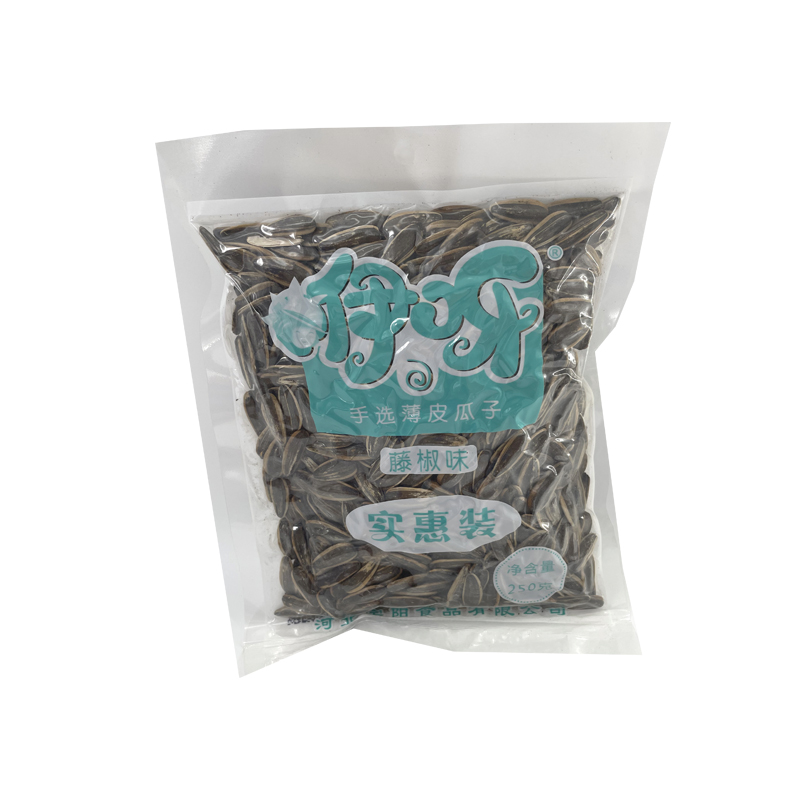
Baked sunflower seeds represent a significant segment of the snack food industry, characterized by a complex interplay of agricultural sourcing, processing technology, and quality control. This technical guide provides an in-depth examination of the manufacturing process, focusing on critical parameters affecting product quality, shelf life, and safety. Sunflower seeds, Helianthus annuus, undergo a transformation from raw agricultural product to a ready-to-eat snack, necessitating precise control over moisture content, oil profiles, roasting temperatures, and coating application. This document is targeted towards engineers, procurement managers, and quality control specialists within the baked sunflower seed manufacturing sector, addressing key pain points related to process optimization, flavor consistency, and compliance with food safety regulations. The industry frequently confronts challenges related to acrylamide formation during roasting, rancidity development due to lipid oxidation, and maintaining uniform coating adhesion. This guide will dissect these issues, providing insights into mitigation strategies and best practices.
Material Science & Manufacturing
The primary raw material, sunflower seeds, consists of a shell (hull) and kernel. The kernel is rich in lipids (40-50%), protein (20-25%), carbohydrates (15-20%), and fiber. Lipid composition is crucial; linoleic acid is the dominant fatty acid, impacting oxidation stability. Manufacturing begins with seed selection based on kernel size, oil content, and freedom from defects. Cleaning processes remove debris, foreign materials, and broken seeds. De-hulling, a mechanical process, separates the kernel from the shell. This is critical, as hull fragments contribute to off-flavors and reduce overall product appeal. Roasting, typically conducted in continuous or batch roasters using hot air or oil, develops flavor through Maillard reactions and caramelization. Temperature control (140-180°C) and roasting time are paramount; excessively high temperatures promote acrylamide formation, while insufficient roasting yields an under-developed flavor profile. Following roasting, seeds are often seasoned with salt, flavorings, or coatings. Coating application techniques include tumbling, spraying, and fluidized bed coating. Coating adhesion relies on surface preparation of the seed (residual oil content) and the rheological properties of the coating solution. Precise control over coating parameters – viscosity, solids content, spray rate – is essential for achieving uniform coverage and preventing coating flaking. The moisture content of the final product, typically 2-4%, is a critical factor influencing shelf life and texture. Proper drying after coating is vital to prevent microbial growth.
Performance & Engineering
The performance of baked sunflower seeds is largely defined by textural characteristics (crunchiness, hardness), flavor profile (saltiness, roastiness, seasoning intensity), and shelf stability. Crunchiness is directly related to the degree of roasting and subsequent moisture content. Hardness is quantified using compression testing, providing a measure of the force required to fracture a seed. Flavor stability is governed by the rate of lipid oxidation, measured through peroxide value (PV) and anisidine value (AV) analysis. Packaging plays a critical role in mitigating oxygen exposure and preventing moisture uptake. Barrier properties of packaging materials (oxygen transmission rate – OTR, water vapor transmission rate – WVTR) directly impact shelf life. Engineering considerations include heat transfer optimization within roasters to ensure uniform roasting, minimizing acrylamide formation. Finite element analysis (FEA) can be used to model heat distribution within the seed bed. Coating application requires precise control of fluid dynamics and surface tension to achieve consistent coverage. Process analytical technology (PAT) – such as near-infrared (NIR) spectroscopy – can be implemented for real-time monitoring of moisture content and oil profiles during roasting and coating. Compliance with food safety regulations (HACCP, GMP) necessitates rigorous sanitation procedures and quality control checkpoints throughout the manufacturing process. Force analysis during de-hulling dictates mechanical design to minimize kernel damage. Material selection for processing equipment (stainless steel, food-grade polymers) is crucial to prevent contamination.
Technical Specifications
| Parameter | Unit | Typical Range | Testing Method |
|---|---|---|---|
| Moisture Content | % | 2.0 - 4.0 | Oven Drying (AOAC 925.10) |
| Oil Content | % | 40 - 50 | Soxhlet Extraction (AOAC 920.39) |
| Peroxide Value (PV) | meq O2/kg | < 5.0 (initial) | Titration (AOCS Cd 8-53) |
| Acrylamide Content | µg/kg | < 100 | GC-MS (AOCS Ch 6.4) |
| Salt Content (NaCl) | % | 0.5 - 2.0 | Argentometric Titration (AOAC 937.09) |
| Water Activity (aw) | - | < 0.6 | Water Activity Meter (ASTM E337) |
Failure Mode & Maintenance
Common failure modes in baked sunflower seeds include rancidity (off-flavor development due to lipid oxidation), coating defects (flaking, uneven coverage), and seed breakage (during processing or handling). Rancidity is accelerated by exposure to oxygen, light, and elevated temperatures. Mitigation strategies include using antioxidant packaging, nitrogen flushing, and maintaining appropriate storage conditions. Coating defects often arise from inadequate surface preparation of the seed, improper coating formulation, or inconsistent application parameters. Regular inspection of coating equipment and optimization of process parameters are essential. Seed breakage can occur during de-hulling, roasting, or conveying. Maintaining proper equipment settings, minimizing impact forces, and using appropriate conveying systems can reduce breakage. Preventive maintenance programs for roasting equipment – including burner cleaning, temperature sensor calibration, and conveyor belt inspections – are crucial. Regular cleaning and sanitation of all processing equipment are essential to prevent microbial contamination. Inspection of packaging materials for integrity (seal strength, barrier properties) is vital. Failure analysis of defective batches should involve detailed examination of raw materials, process parameters, and packaging integrity to identify root causes and implement corrective actions. Long-term storage studies are essential to determine shelf life and optimize packaging solutions.
Industry FAQ
Q: What are the key factors influencing acrylamide formation during roasting?
A: Acrylamide formation is influenced by roasting temperature, roasting time, moisture content of the seeds, and the presence of reducing sugars. Higher temperatures and longer roasting times generally increase acrylamide levels. Maintaining lower roasting temperatures, reducing roasting time, and controlling moisture content are effective mitigation strategies. Furthermore, seed variety can influence acrylamide precursor levels.
Q: How can we minimize rancidity and extend shelf life?
A: Minimizing rancidity requires controlling oxygen exposure, light exposure, and temperature. Using oxygen-impermeable packaging materials, nitrogen flushing, and storing seeds in a cool, dark environment are crucial. Adding antioxidants (e.g., Vitamin E, rosemary extract) to the coating can further enhance oxidative stability.
Q: What is the optimal moisture content for baked sunflower seeds, and how is it achieved?
A: The optimal moisture content is typically between 2.0% and 4.0%. This is achieved through a drying step following roasting and coating. Controlling the drying temperature and airflow is critical to prevent cracking and maintain textural quality. Accurate moisture measurement using a calibrated moisture analyzer is essential.
Q: What coating application techniques provide the most uniform coverage?
A: Fluidized bed coating generally provides the most uniform coverage, particularly for smaller seed sizes. However, tumbling and spraying can also achieve good results with proper optimization of coating parameters (viscosity, spray rate, drum speed). Careful control of seed temperature and coating solution temperature is also important.
Q: How do we ensure consistent salt adhesion to the seeds?
A: Consistent salt adhesion depends on the residual oil content on the seed surface after roasting, the particle size of the salt, and the application method. Using a fine salt particle size and ensuring adequate oil coverage promotes adhesion. Applying salt immediately after roasting while the seed surface is still warm can also improve adhesion.
Conclusion
The production of high-quality baked sunflower seeds demands a meticulous understanding of material science, precise process control, and adherence to stringent quality standards. Successfully navigating the challenges of acrylamide formation, rancidity development, and coating adhesion requires a holistic approach encompassing raw material selection, optimized roasting parameters, effective packaging solutions, and robust quality control procedures. Implementing process analytical technology (PAT) and adopting data-driven decision-making can further enhance process efficiency and product consistency.
Future advancements in baked sunflower seed manufacturing will likely focus on developing novel coating technologies to improve flavor delivery and nutritional enhancement, exploring alternative roasting methods to minimize acrylamide formation, and utilizing sustainable packaging materials to reduce environmental impact. Continuous improvement initiatives centered on process optimization and quality control will be critical for maintaining competitiveness in this dynamic market. A proactive approach to regulatory compliance and consumer preferences will also be essential for long-term success.
