Introduction
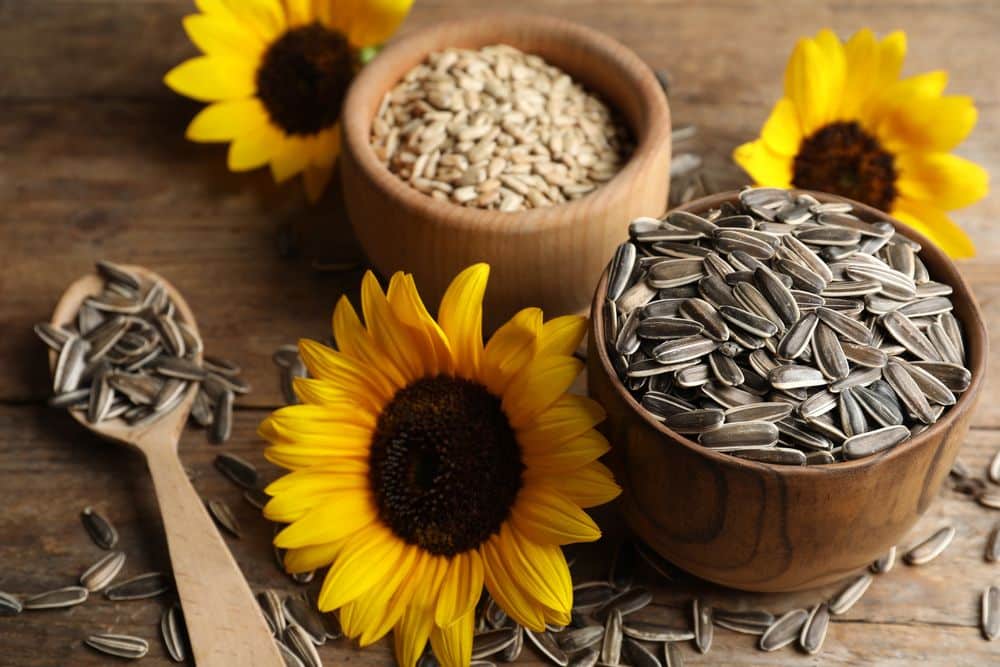
Baked sunflower seeds represent a significant segment of the snack food industry, bridging agricultural processing with advanced food technology. This guide details the technical aspects of their production, encompassing seed selection, processing parameters, quality control, and shelf-life stability. Sunflower seeds ( Helianthus annuus) are selected for their oil content, kernel size, and hull characteristics. The baking process aims to develop flavor, enhance texture, and achieve optimal moisture content for preservation. This document focuses on the industrial-scale manufacturing of baked sunflower seeds, outlining critical factors influencing product consistency, safety, and consumer acceptance. A major industry pain point lies in maintaining consistent flavor profiles across batches while minimizing acrylamide formation during the baking process, and ensuring uniform hull removal without damaging the kernel. Meeting stringent food safety standards (HACCP, GMP) and minimizing foreign material contamination are also paramount concerns for manufacturers.
Material Science & Manufacturing
The primary raw material, sunflower seeds, exhibit variability in composition. Kernel oil content typically ranges from 40-55% by weight, with linoleic acid (a polyunsaturated fatty acid) being the dominant fatty acid. Protein content averages 20-25%, and carbohydrate content is around 15-20%. Hull composition consists largely of cellulose and lignin. Seed varieties are categorized as confectionary (large kernel size, thin hull) or oilseed (smaller kernel, thicker hull).
Manufacturing begins with seed cleaning and grading to remove foreign matter (stones, stems, broken seeds). De-hulling is a critical step, traditionally performed mechanically using abrasive surfaces. Optimized de-hulling minimizes kernel damage and maximizes yield. Abrasive rollers and air separators are commonly employed. Following de-hulling, seeds undergo a washing stage to remove residual hull fragments and dust.
The baking process is typically conducted in continuous ovens utilizing hot air convection. Precise temperature control is essential. Initial baking stages (120-150°C) drive off surface moisture, while higher temperatures (160-180°C) promote Maillard reactions responsible for flavor development. Baking time varies (15-30 minutes) depending on seed moisture content and desired roast level. Post-baking, seeds are often seasoned with salt and/or other flavorings applied via a tumbling drum with a controlled spray system. Parameter control involves precise monitoring of oven temperature, belt speed, seed moisture content (using near-infrared spectroscopy), and seasoning application rates. Thermal Inertia of the baking equipment, air flow dynamics within the oven, and seed bed depth are critical manufacturing considerations.
Performance & Engineering
The performance of baked sunflower seeds is primarily evaluated based on sensory attributes (taste, texture, aroma), moisture content, and oil stability. Texture is characterized by crispness and resistance to fracture. This is influenced by baking temperature and time, impacting kernel structure and moisture distribution. Force analysis, using a texture analyzer, measures the force required to fracture a single seed, providing a quantitative assessment of crispness.
Environmental resistance concerns center on oxidation and rancidity. Unsaturated fatty acids are susceptible to oxidation, leading to off-flavors and reduced shelf life. Packaging materials with low oxygen transmission rates (OTR) are crucial. Vacuum packaging or nitrogen flushing further minimize oxygen exposure.
Compliance requirements include adherence to food safety regulations (FDA, EFSA), labeling regulations (nutritional information, allergen declarations), and quality standards (e.g., USDA standards for oil content and foreign material). HACCP plans must address potential hazards such as Salmonella contamination and acrylamide formation. Engineering considerations focus on optimizing oven design for uniform heat distribution, minimizing energy consumption, and ensuring hygienic cleaning procedures.
Technical Specifications
| Parameter | Specification | Test Method | Acceptance Criteria |
|---|---|---|---|
| Moisture Content | 2.5% - 4.5% (by weight) | Oven Drying Method (AOAC 925.10) | Within specified range to prevent clumping and microbial growth |
| Oil Content | 48% - 58% (by weight) | Soxhlet Extraction (AOAC 920.39) | Consistent oil content contributes to desired texture and flavor |
| Acrylamide Content | ≤ 100 ppb | GC-MS (Gas Chromatography-Mass Spectrometry) | Minimize formation due to potential health concerns |
| Peroxide Value (Oil) | ≤ 5 meq O2/kg | Potentiometric Titration (AOCS Cd 8-53) | Indicates level of oxidation and rancidity |
| Foreign Material | ≤ 0.1% (by weight) | Visual Inspection & Sieving | Ensures product safety and consumer acceptability |
| Kernel Damage | ≤ 5% (broken or chipped kernels) | Visual Inspection | Maintains desired texture and reduces fines |
Failure Mode & Maintenance
Common failure modes include rancidity (oxidation of oils), softening due to moisture absorption, and cracking/fracturing during handling. Rancidity is exacerbated by exposure to oxygen, light, and elevated temperatures. Mitigation involves optimized packaging and storage conditions. Softening occurs when moisture content exceeds acceptable limits, leading to a loss of crispness. This can be caused by improper storage in humid environments.
Cracking and fracturing can result from mechanical stress during processing (de-hulling, conveying, packaging) or thermal shock during baking. Careful control of process parameters and proper equipment maintenance are crucial.
Preventative maintenance involves regular inspection and cleaning of all equipment, including ovens, dehullers, seasoning drums, and packaging machines. Lubrication of moving parts minimizes friction and wear. Calibration of temperature sensors and control systems ensures accurate process control. Regular oil analysis can detect early signs of degradation and prevent catastrophic failures. Storage facilities should be monitored for temperature and humidity control. Periodic root cause analysis of product defects helps identify and address underlying issues.
Industry FAQ
Q: What are the critical control points for minimizing acrylamide formation during baking?
A: Critical control points include controlling baking temperature (avoiding excessively high temperatures), minimizing baking time, reducing free asparagine levels in the seeds (through seed selection and pre-treatment), and optimizing seed moisture content. Careful monitoring of these parameters is essential.
Q: What packaging materials offer the best barrier properties for extending shelf life?
A: Multi-layer films incorporating aluminum foil or metallized polyester provide excellent oxygen and moisture barrier properties. Vacuum packaging or modified atmosphere packaging (MAP) with nitrogen flushing further enhances shelf life stability.
Q: How can we ensure consistent flavor profiles across different production batches?
A: Maintaining consistent seed sourcing (variety, oil content, moisture content), precise control of baking parameters (temperature, time, air flow), and accurate seasoning application rates are crucial. Regular sensory evaluation and statistical process control (SPC) are recommended.
Q: What are the key considerations for ensuring food safety and preventing Salmonella contamination?
A: Implementing a comprehensive HACCP plan, ensuring proper sanitation procedures, sourcing seeds from reputable suppliers with robust quality control systems, and conducting regular microbial testing are essential. Thermal processing (baking) should be validated to ensure adequate lethality.
Q: What is the impact of seed variety on the final product quality?
A: Seed variety significantly impacts kernel size, oil content, hull thickness, and flavor characteristics. Confectionary varieties generally yield higher-quality baked seeds with a desirable texture and flavor. Consistent sourcing of the same variety is critical for maintaining product consistency.
Conclusion
The production of baked sunflower seeds is a complex process requiring meticulous control over multiple variables, from seed selection and preparation to baking parameters and packaging. Achieving optimal product quality, safety, and shelf life necessitates a thorough understanding of material science principles, engineering considerations, and regulatory requirements. Minimizing acrylamide formation, controlling oxidation, and maintaining consistent flavor profiles represent ongoing challenges for manufacturers.
Future advancements may involve the application of advanced baking technologies (e.g., radio frequency heating, microwave finishing) to improve energy efficiency and enhance flavor development. Furthermore, the development of novel packaging materials with improved barrier properties and the implementation of real-time process monitoring systems will contribute to further optimization of the manufacturing process. Continued research into seed genetics and pre-treatment methods will also play a crucial role in enhancing product quality and reducing processing costs.
