Introduction
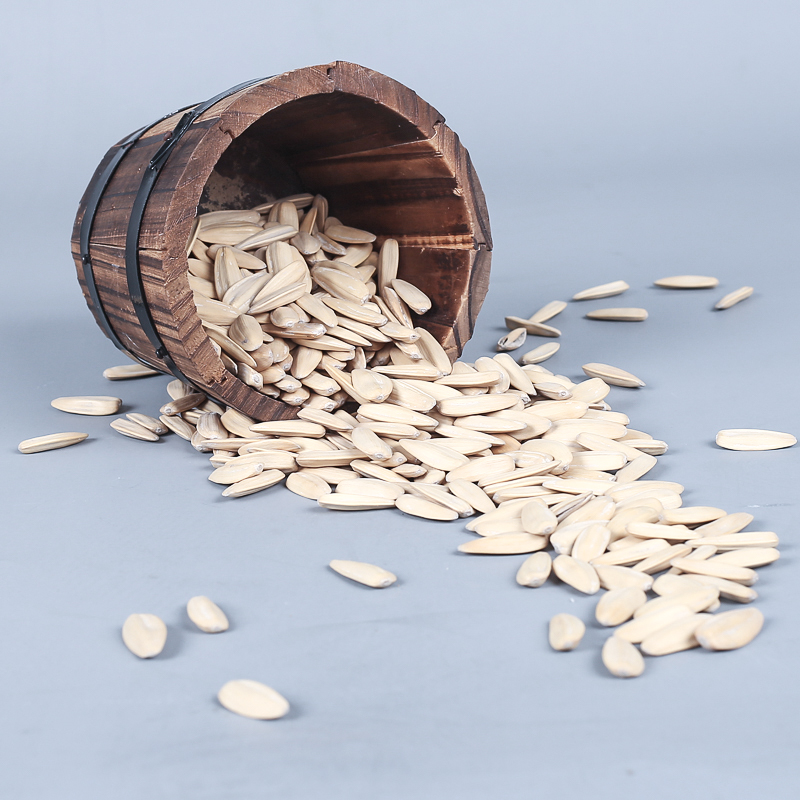
Baked sunflower seed factories represent a critical node in the snack food supply chain. This guide details the technical considerations governing their operation, focusing on equipment, process control, and quality assurance. Sunflower seeds ( Helianthus annuus) are processed through cleaning, dehulling, drying, roasting/baking, seasoning, and packaging stages. The technical challenge lies in maintaining seed integrity, achieving consistent flavor profiles, ensuring food safety, and optimizing throughput. The industry faces key pain points including aflatoxin control, shell fragment contamination, consistent moisture content post-bake, and maintaining equipment sanitation to prevent microbial growth. This document provides an in-depth analysis of these challenges and the engineering solutions employed to address them.
Material Science & Manufacturing
The primary raw material, sunflower seeds, exhibits significant variability in oil content (34-58%), protein content (18-26%), and moisture content (8-12% as harvested). Seed coat composition varies by cultivar, influencing dehulling efficiency. Manufacturing processes begin with cleaning to remove foreign material (stalks, leaves, stones). Dehulling utilizes impact or friction mechanisms; abrasive dehullers cause lower kernel breakage but are less efficient. Drying reduces moisture to 5-7% to prevent mold growth during storage and optimize baking. Baking/Roasting occurs in continuous or batch ovens. Continuous ovens (rotary drums or fluidized bed) offer higher throughput and more consistent temperature profiles, typically between 150-180°C. Batch ovens provide greater control for specialty flavor development but are less efficient. Seasoning application is critical, employing drum coaters or spray systems with precise control over adhesive and seasoning dispersion. Packaging materials (typically multi-layer films – PET/Al/PE) must provide a robust oxygen barrier to maintain product freshness. Parameter control focuses on oven temperature uniformity (±2°C), belt speed regulation, and accurate seasoning dispensing rates. Seed breakage during dehulling and roasting/baking leads to increased fines and potential off-flavors.
Performance & Engineering
Performance evaluation centers on throughput, yield, and product quality. Throughput is determined by oven capacity and processing speed. Yield is calculated as the percentage of marketable kernels recovered from raw input. Product quality is assessed through sensory evaluation (taste, texture, aroma), chemical analysis (oil content, moisture content, free fatty acid content, aflatoxin levels), and physical inspection (shell fragment count, kernel damage). Engineering challenges involve heat transfer optimization within ovens to ensure uniform baking. Computational Fluid Dynamics (CFD) modeling is used to analyze airflow patterns and temperature distribution. Mechanical engineering focuses on minimizing wear and tear on dehulling and conveying equipment, mitigating seed damage. Food safety engineering prioritizes hygienic design principles to prevent cross-contamination. Aflatoxin control requires robust supply chain management, proper drying techniques to reduce water activity, and implementation of Hazard Analysis and Critical Control Points (HACCP) plans. Material selection for food contact surfaces must adhere to FDA regulations (21 CFR) regarding biocompatibility and leachability.
Technical Specifications
| Parameter | Unit | Typical Range | Criticality |
|---|---|---|---|
| Seed Moisture Content (Input) | % (wet basis) | 8-12 | High |
| Seed Moisture Content (Output) | % (wet basis) | 5-7 | High |
| Baking/Roasting Temperature | °C | 150-180 | High |
| Baking/Roasting Time | minutes | 15-30 | Medium |
| Aflatoxin Level (Maximum) | ppb | 20 | Critical |
| Shell Fragment Count (per 100g) | number | <5 | Medium |
| Oil Content (Typical) | % (dry basis) | 45-55 | Informative |
Failure Mode & Maintenance
Common failure modes in baked sunflower seed factories include: 1) Oven burnout due to burner malfunction or improper air-fuel mixture. 2) Conveyor belt failure (wear, tear, misalignment) leading to production downtime. 3) Dehuller damage (impactor breakage, screen wear) resulting in reduced dehulling efficiency and increased kernel damage. 4) Aflatoxin contamination due to inadequate drying or storage conditions. 5) Packaging film defects (pinholes, seal failures) compromising product shelf life. 6) Bearing failure in rotating equipment (ovens, conveyors) due to inadequate lubrication or excessive loading. Preventative maintenance programs should include: Daily inspection of conveyor belts and bearings; weekly oven burner calibration; monthly dehuller inspection and component replacement; regular aflatoxin testing of raw materials and finished products; and annual comprehensive equipment overhauls. Failure analysis should involve root cause investigation (e.g., 5 Whys technique) to identify underlying problems and implement corrective actions. Vibration analysis can detect bearing wear before catastrophic failure. Thermal imaging can identify hot spots in electrical systems indicating potential faults.
Industry FAQ
Q: What are the primary challenges in controlling aflatoxin levels in sunflower seeds?
A: Aflatoxins are produced by Aspergillus molds, thriving in warm, humid conditions. Controlling them requires sourcing seeds from reputable suppliers with robust quality control programs, rapid and thorough drying of seeds after harvest to reduce water activity below 0.75Aw, proper storage in well-ventilated, dry facilities, and regular testing throughout the process. Implementing HACCP protocols specifically targeting aflatoxin is essential.
Q: How does seed variety affect the dehulling process?
A: Seed variety significantly impacts dehulling efficiency. Cultivars with thinner hulls and a higher hull-to-kernel ratio are easier to dehull, resulting in lower kernel damage. Some varieties are specifically bred for improved dehulling characteristics. Seed moisture content also influences hull separation; slightly higher moisture can improve dehulling but increases the risk of mold growth.
Q: What is the importance of temperature uniformity in the baking/roasting stage?
A: Uniform temperature distribution is crucial for consistent product quality. Uneven heating leads to variations in moisture content, color, and flavor. Proper oven design, airflow management, and regular temperature sensor calibration are essential for achieving uniformity. CFD modeling can aid in optimizing oven airflow.
Q: What types of packaging materials are most effective for maintaining sunflower seed freshness?
A: Multi-layer films offering a high oxygen barrier are preferred. Common materials include PET (polyethylene terephthalate), Aluminum foil, and PE (polyethylene). The aluminum layer provides the primary oxygen barrier, while PET provides mechanical strength, and PE provides heat sealability. Modified atmosphere packaging (MAP) with nitrogen flushing can further extend shelf life.
Q: What are the key considerations for sanitation in a sunflower seed processing facility?
A: Sunflower seed factories require rigorous sanitation protocols. This includes regular cleaning and disinfection of all equipment and surfaces, particularly those in contact with the seeds. Dedicated cleaning crews and procedures are vital. Maintaining positive air pressure in processing areas minimizes contamination. Implementing a pest control program is essential. Regular microbial testing should be performed to verify sanitation effectiveness.
Conclusion
The production of baked sunflower seeds requires a sophisticated interplay of material science, engineering principles, and process control. Optimizing each stage – from seed selection and preparation to baking, seasoning, and packaging – is critical for achieving high throughput, consistent quality, and food safety. Addressing key pain points such as aflatoxin control and shell fragment contamination necessitates a proactive approach to risk management and continuous improvement.
Future advancements in sunflower seed processing will likely focus on automation, data analytics, and sustainable practices. Implementing real-time monitoring systems to optimize oven parameters and reduce energy consumption will be crucial. Developing more efficient dehulling technologies and exploring alternative seasoning application methods will also drive innovation. Continued adherence to stringent quality and safety standards will remain paramount.
