Introduction
Baked sunflower seeds represent a significant commodity within the global snack food market, demanding stringent quality control and adherence to international standards for export. This technical guide addresses the critical aspects of sunflower seed processing, from raw material characteristics to finished product stability, specifically tailored for exporters. The industry faces challenges related to aflatoxin contamination, acrylamide formation during roasting, maintaining optimal moisture content for shelf life, and ensuring consistent flavor profiles. Understanding the underlying science governing these factors is paramount to delivering a safe, high-quality product that meets the rigorous requirements of international buyers. This guide will delve into the intricacies of sunflower seed composition, processing parameters, potential failure modes, and relevant quality assurance protocols.
Material Science & Manufacturing
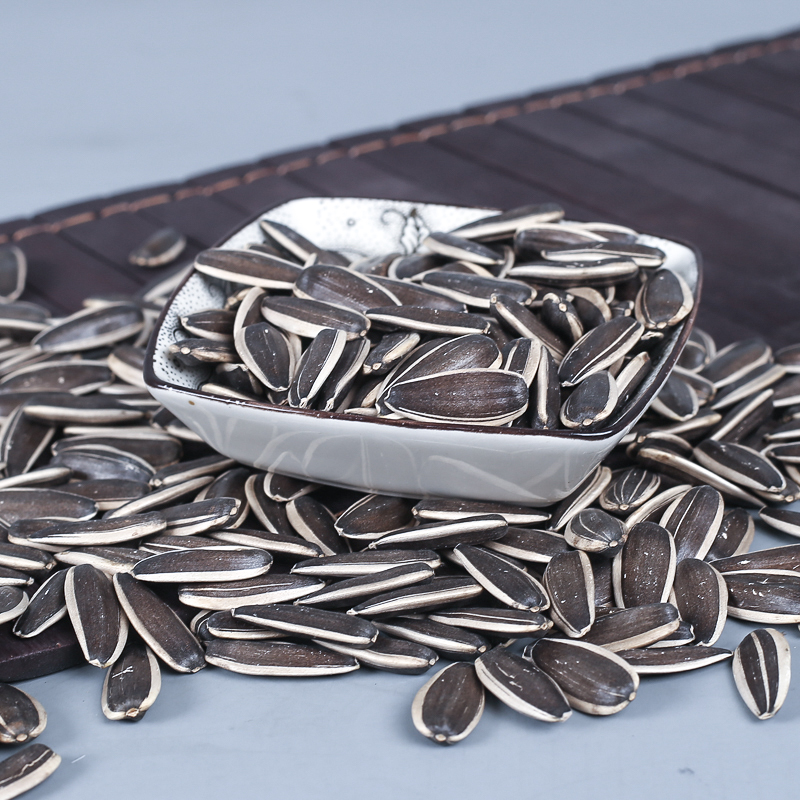
Sunflower seeds ( Helianthus annuus) are composed primarily of lipid (40-50%), protein (20-25%), carbohydrates (15-20%), and fiber (5-10%). The lipid profile consists largely of linoleic acid (a polyunsaturated omega-6 fatty acid), oleic acid (a monounsaturated fatty acid), and palmitic acid (a saturated fatty acid). The seed hull, or pericarp, provides physical protection but must be efficiently removed during dehulling. Raw seed moisture content typically ranges from 8-12%.
Manufacturing involves several key steps: cleaning, dehulling, kernel drying (to approximately 7-8% moisture content for optimal roasting), grading by size, oil removal (if producing oil-free seeds), seasoning, and baking/roasting. Roasting is typically performed in rotary or fluid-bed roasters at temperatures ranging from 140-180°C. Precise temperature control is crucial to minimize acrylamide formation, a potential carcinogen. The Maillard reaction, responsible for flavor development, is highly temperature-dependent. Seasoning is applied post-roasting, often involving salt, spices, and flavor enhancers. Packaging utilizes materials with low oxygen transmission rates (OTR) to prevent rancidity. Parameter control during roasting – temperature, time, and airflow – directly influences seed color, texture, and flavor. Regular monitoring of seed moisture content throughout the process is essential to prevent cracking and maintain quality. The selection of sunflower seed varieties impacts oil content, kernel size, and hulling efficiency. Seed grading is crucial to ensure uniformity in roasting and packaging.
Performance & Engineering
The performance of baked sunflower seeds, from a quality and safety perspective, is dictated by several engineering principles. Heat transfer during roasting is governed by conduction, convection, and radiation. Maintaining uniform heating is critical to prevent localized scorching and uneven flavor development. Fluid-bed roasting excels in heat transfer efficiency. Moisture migration within the seed kernel follows Fick's Law of Diffusion, influenced by temperature gradients and seed composition.
Environmental resistance relates to preventing rancidity due to lipid oxidation. This is mitigated through packaging with low OTR, addition of antioxidants (e.g., tocopherols), and proper storage conditions (cool, dry, dark). Compliance requirements include adherence to maximum permissible levels of aflatoxins (established by regulatory bodies like the FDA and EU), acrylamide levels, heavy metal contaminants (lead, cadmium, arsenic), and pesticide residues. Hulling efficiency directly impacts the proportion of kernel to hull, affecting both yield and the final product’s perceived value. Mechanical stress during processing (dehulling, roasting, packaging) can cause kernel fracturing, leading to increased surface area for oxidation and reduced shelf life. Particle size distribution of seasonings must be controlled to ensure even coating and prevent caking. Force analysis of the seed hull during dehulling is important for optimizing machine settings and minimizing kernel damage.
Technical Specifications
| Parameter | Typical Value | Acceptable Range | Testing Method |
|---|---|---|---|
| Moisture Content (Kernel) | 7.0% | 6.0-8.0% | Oven Drying Method (AOAC) |
| Oil Content | 45.0% | 40.0-50.0% | Soxhlet Extraction |
| Aflatoxin B1 | <2 ppb | <4 ppb (EU Regulation) | HPLC with Fluorescence Detection |
| Acrylamide | <100 ppb | <150 ppb (EU Regulation) | GC-MS |
| Peroxide Value (Indicator of Rancidity) | <5 meq/kg | <10 meq/kg | Titration Method (AOCS) |
| Kernel Size (Mean Diameter) | 8.5 mm | 7.5-9.5 mm | Sieve Analysis |
Failure Mode & Maintenance
Common failure modes include rancidity (oxidative degradation of lipids, manifesting as off-flavors), aflatoxin contamination (due to fungal growth during pre-harvest or storage), acrylamide formation (during excessive roasting), kernel cracking (mechanical damage during processing or handling), and packaging failure (compromising barrier properties). Rancidity is accelerated by high temperatures, light exposure, and oxygen presence. Aflatoxin contamination is prevented through sourcing from reputable suppliers, proper drying of seeds, and effective storage practices. Acrylamide formation is minimized by optimizing roasting parameters (temperature, time) and potentially using reducing sugars. Kernel cracking can be reduced by controlling dehulling pressure and minimizing mechanical stress during processing.
Maintenance protocols involve regular cleaning and inspection of processing equipment (dehullers, roasters, graders, packaging machines) to prevent contamination and ensure optimal performance. Calibration of temperature sensors and timers is crucial for accurate process control. Storage facilities must be maintained at low humidity and temperature to inhibit fungal growth and prevent insect infestation. Regular monitoring of seed quality parameters (moisture content, oil content, aflatoxin levels) is essential for identifying and addressing potential issues proactively. Proper sanitation practices throughout the processing facility are critical for preventing microbial contamination. Implementing a robust HACCP (Hazard Analysis and Critical Control Points) plan is highly recommended.
Industry FAQ
Q: What are the key differences between oil-type and confection-type sunflower seeds, and how do these differences affect processing?
A: Oil-type sunflower seeds have a higher oil content (typically >50%) and smaller kernel size, making them primarily suitable for oil extraction. They generally have a black or grey pericarp. Confection-type seeds have a lower oil content (35-45%), larger kernel size, and a lighter-colored pericarp, making them ideal for direct consumption. Oil-type seeds often require more aggressive dehulling due to their smaller size and tighter hulls. Roasting parameters also differ; confection seeds require lower temperatures and shorter roasting times to prevent excessive browning and acrylamide formation.
Q: How can we effectively control aflatoxin levels in our baked sunflower seeds?
A: Aflatoxin control begins with sourcing seeds from regions with low aflatoxin prevalence. Strict quality control measures during procurement are essential. Proper drying of seeds to below 9% moisture content is critical to inhibit fungal growth. Implementing good storage practices – cool, dry, and well-ventilated facilities – is paramount. Regular testing for aflatoxin levels using validated methods (HPLC) is necessary throughout the process. Using effective packaging to prevent recontamination is also vital.
Q: What is the optimal roasting profile for minimizing acrylamide formation while maximizing flavor development?
A: The optimal roasting profile involves a relatively low roasting temperature (140-160°C) and a shorter roasting time. Maintaining uniform heating and avoiding localized hot spots is crucial. Utilizing a fluid-bed roaster can improve heat transfer efficiency. Monitoring seed moisture content during roasting is also important. Implementing a reducing sugar control strategy can help minimize acrylamide precursors.
Q: What packaging materials are recommended for maintaining the freshness and preventing rancidity of baked sunflower seeds during long-distance transport?
A: Packaging materials with low oxygen transmission rates (OTR) and moisture vapor transmission rates (MVTR) are essential. Multi-layer films consisting of PET/PE or PET/aluminum foil/PE are commonly used. Vacuum packaging or modified atmosphere packaging (MAP) with nitrogen flushing can further extend shelf life. The packaging should also be robust enough to withstand the rigors of transportation.
Q: What are the key regulatory requirements for exporting baked sunflower seeds to the European Union and the United States?
A: Both the EU and the US have stringent regulations regarding food safety and quality. Key requirements include adherence to maximum permissible levels of aflatoxins and acrylamide, compliance with heavy metal limits, and proper labeling requirements. Importers will require Certificates of Analysis (COAs) demonstrating compliance with these regulations. The US FDA has specific requirements for food labeling and import permits. The EU requires compliance with its food safety regulations and may require import licenses depending on the origin of the seeds.
Conclusion
The successful export of baked sunflower seeds relies on a comprehensive understanding of the underlying scientific principles governing seed quality, processing parameters, and potential degradation pathways. Strict adherence to international standards for food safety, meticulous process control, and appropriate packaging are essential to deliver a premium product that meets the demands of discerning consumers. Maintaining consistent moisture content, minimizing aflatoxin contamination, and controlling acrylamide formation are paramount concerns for exporters.
Future advancements in sunflower seed processing may focus on novel roasting technologies (e.g., microwave roasting) to further reduce acrylamide formation and enhance flavor development. Exploring sustainable packaging solutions and implementing advanced quality control systems (e.g., near-infrared spectroscopy) will also be crucial for maintaining competitiveness in the global market. Continued investment in research and development is essential for optimizing processes and ensuring the long-term viability of the baked sunflower seed export industry.
