Introduction
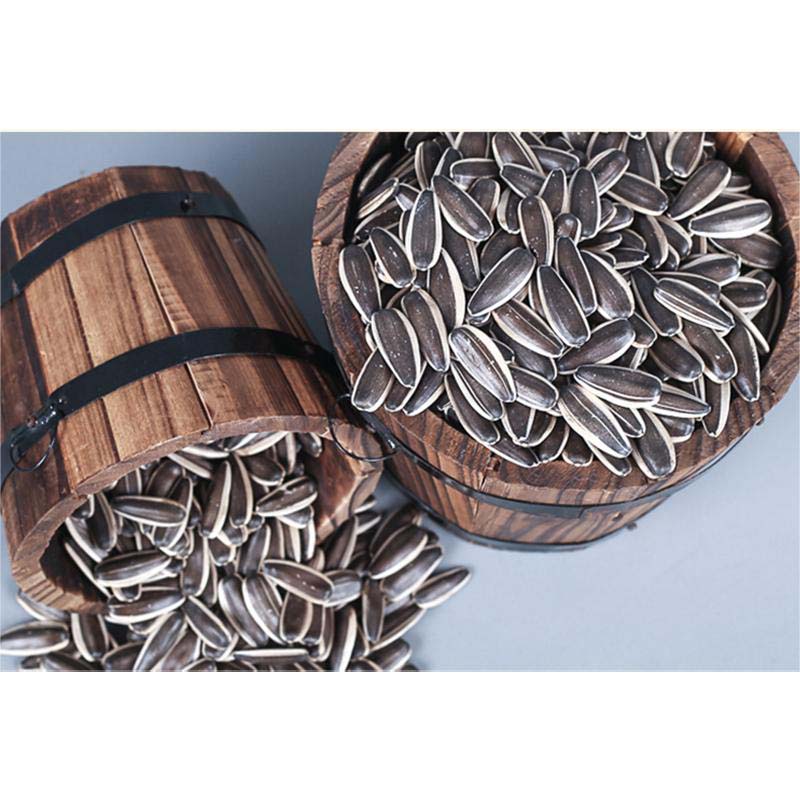
Bagged melon seeds represent a significant commodity within the global snack food industry, serving both direct consumer markets and acting as an input for further food processing. Suppliers operate within a complex network encompassing agricultural production, processing, packaging, and international logistics. The core performance characteristics of bagged melon seeds revolve around seed quality – viability, plumpness, and lack of damage – coupled with packaging integrity that ensures product freshness, prevents moisture absorption, and maintains optimal storage conditions. This guide details the materials science, manufacturing processes, performance metrics, potential failure modes, and relevant standards impacting bagged melon seed suppliers, focusing on the technical aspects critical to maintaining product quality and market competitiveness. A primary industry pain point centers around maintaining consistent seed quality across harvests and minimizing lipid oxidation which leads to rancidity and reduced shelf life. Achieving optimal moisture content during processing and packaging is also crucial for preserving seed viability and flavor.
Material Science & Manufacturing
The primary material is, of course, the melon seed itself, predominantly from varieties of watermelon, cantaloupe, and honeydew. Seed composition varies by cultivar, but generally comprises approximately 35-45% oil (primarily linoleic acid), 20-30% protein, 15-25% carbohydrate, and 5-10% moisture. The oil content is critical for flavor and texture, but is also the primary driver of rancidity. Manufacturing begins with seed extraction from mature melons, followed by cleaning to remove pulp and debris. A crucial step is drying, typically employing forced-air drying to reduce moisture content to approximately 8-10% to inhibit microbial growth and enzymatic activity. This drying process requires precise temperature control (typically below 60°C) to prevent protein denaturation and lipid oxidation. Roasting, often employed to enhance flavor, is a controlled heating process that must be carefully monitored to avoid burning or excessive oil migration. The packaging materials are equally critical. Commonly used materials include multi-layer films comprised of polyethylene (PE), polypropylene (PP), and polyethylene terephthalate (PET). These layers provide barrier properties against oxygen, moisture, and light. Sealant layers, frequently utilizing low-density polyethylene (LDPE) or ethylene-vinyl acetate (EVA), ensure hermetic closure. Parameter control during film extrusion focuses on maintaining consistent layer thickness and achieving optimal oxygen transmission rate (OTR) and water vapor transmission rate (WVTR). Bag formation is typically accomplished through form-fill-seal (FFS) machinery, where film is continuously fed, formed into bags, filled with seeds, sealed, and cut.
Performance & Engineering
The performance of bagged melon seeds is judged by several key engineering principles. Firstly, the packaging must withstand the stresses of handling and transportation. This involves assessing tensile strength, tear resistance, and impact resistance of the packaging film. Force analysis determines the minimum film thickness required to prevent rupture during typical supply chain operations. Secondly, barrier properties are paramount. The OTR and WVTR of the packaging directly impact seed quality and shelf life. Low OTR prevents oxidative rancidity, while low WVTR maintains seed moisture content. Permeation modeling is employed to predict shelf life based on these properties. Environmental resistance is also crucial. Bagged seeds must withstand temperature fluctuations during storage and transport, and resist degradation from UV exposure. UV inhibitors are often incorporated into the packaging film. Compliance requirements vary by target market, but generally include food safety regulations (e.g., FDA in the US, EFSA in Europe) and packaging material safety regulations (e.g., restrictions on phthalates and bisphenol A). Furthermore, the packaging design must consider ease of opening and resealing to maintain consumer convenience and product freshness post-opening. The impact of humidity on seed viability and flavor is a major concern; the packaging must effectively maintain a low internal humidity environment.
Technical Specifications
| Seed Moisture Content | Oil Content (by weight, %) | Packaging OTR (cm³/m²/day) | Packaging WVTR (g/m²/day) | Packaging Tensile Strength (MPa) | Seed Viability (%) |
|---|---|---|---|---|---|
| 8-10% | 35-45% | < 5 | < 2 | > 20 | >90% |
| 10-12% (Upper Limit) | 30-35% (Lower Limit) | 5-10 | 2-5 | 15-20 | 80-90% |
| >12% (Reject) | <30% (Reject) | >10 | >5 | <15 | <80% (Reject) |
| Optimal Range (Premium) | 40-45% (Premium) | <3 | <1.5 | >25 | >95% (Premium) |
| Roasting Temperature (Typical) | Roasting Time (Typical) | Film Thickness (µm) | Seal Strength (N/mm) | Seed Hardness (N) | Aflatoxin Level (ppb) |
| 120-140°C | 10-15 minutes | 60-80 | >3 | 20-30 | <20 |
Failure Mode & Maintenance
Bagged melon seeds are susceptible to several failure modes. Rancidity, caused by lipid oxidation, is a primary concern, resulting in off-flavors and reduced consumer acceptance. This is accelerated by high oxygen permeability of the packaging and elevated temperatures. Moisture absorption can lead to seed germination during storage or promote microbial growth, resulting in spoilage. Packaging failures, such as seal defects or punctures, compromise barrier properties and accelerate degradation. Mechanical damage to seeds during processing or handling can reduce viability. Failure analysis often reveals that rancidity is the most prevalent issue, attributable to inadequate packaging materials or improper storage conditions. Maintenance strategies focus on optimizing processing parameters to minimize seed damage and maintaining stringent quality control of packaging materials. Proper storage conditions (cool, dry, and dark) are essential. Implementing a first-in, first-out (FIFO) inventory management system minimizes storage time. Periodic monitoring of seed moisture content and oil quality can detect early signs of degradation. Regular inspection of packaging integrity during all stages of the supply chain is critical. For suppliers, investment in advanced packaging technologies, such as modified atmosphere packaging (MAP), can significantly extend shelf life.
Industry FAQ
Q: What is the optimal oxygen transmission rate (OTR) for packaging melon seeds intended for long-term storage?
A: For long-term storage (exceeding 6 months), the OTR should be less than 5 cm³/m²/day. Lower OTR values are preferable to minimize lipid oxidation and maintain seed quality. Suppliers should specify this requirement in their packaging material specifications and conduct regular testing to ensure compliance.
Q: How does seed moisture content impact shelf life, and what is the acceptable range?
A: Seed moisture content directly correlates with shelf life. Higher moisture levels accelerate enzymatic activity and promote microbial growth. The acceptable range is generally 8-10%. Exceeding 12% significantly reduces shelf life and increases the risk of spoilage.
Q: What are the key considerations for selecting packaging materials to prevent moisture ingress?
A: Packaging materials should have a low water vapor transmission rate (WVTR), ideally less than 2 g/m²/day. Multi-layer films incorporating a moisture barrier layer (e.g., PET) are recommended. Hermetic sealing is also crucial to prevent moisture from entering the package.
Q: How can suppliers mitigate the risk of rancidity in melon seeds during storage and transportation?
A: Mitigation strategies include using packaging materials with low OTR, controlling storage temperature (below 25°C), and adding antioxidants to the seeds during processing (within regulatory limits). Proper inventory management and minimizing exposure to light are also important.
Q: What quality control tests are essential for ensuring the viability and quality of melon seeds before packaging?
A: Essential tests include moisture content analysis, oil content analysis, seed viability testing (germination rate), and testing for aflatoxins. Regular monitoring of these parameters ensures that only high-quality seeds are packaged and supplied.
Conclusion
The successful supply of high-quality bagged melon seeds hinges on a comprehensive understanding of materials science, rigorous manufacturing process control, and meticulous attention to packaging integrity. Maintaining optimal seed moisture content, minimizing oxygen exposure, and selecting appropriate packaging materials are critical factors influencing shelf life and consumer acceptance. Failure to address these technical aspects can result in rancidity, spoilage, and ultimately, product rejection.
Continued innovation in packaging technologies, such as the development of bio-based barrier films and active packaging systems incorporating oxygen scavengers, will be essential for extending shelf life and reducing food waste. Suppliers must remain vigilant in monitoring industry standards, adapting to evolving regulatory requirements, and investing in quality control measures to maintain a competitive edge in the global market.
