Introduction
Bagged melon seeds represent a critical segment of the agricultural processing and snack food industries. This guide focuses on the technical aspects of supplying packaged melon seeds, extending beyond simple product provision to encompass material science of both seed and packaging, manufacturing tolerances, quality control parameters, shelf-life considerations, and compliance with international food safety standards. The industry faces consistent challenges relating to seed viability, moisture control, lipid oxidation leading to rancidity, and maintaining product integrity throughout the supply chain. Suppliers must demonstrate a detailed understanding of these factors to deliver a consistently high-quality product. The primary performance characteristic is the maintenance of seed germination rate (where applicable, for certain seed varieties), flavor profile, and freedom from contamination. This document provides an in-depth analysis for procurement professionals and quality engineers involved in sourcing and utilizing bagged melon seeds.
Material Science & Manufacturing
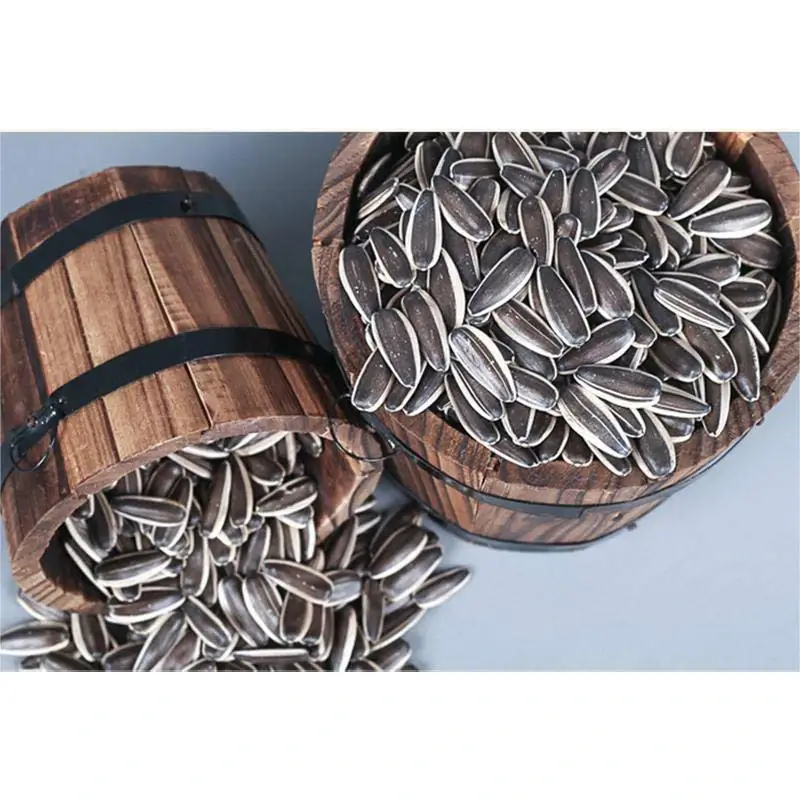
The primary material, the melon seed itself, is comprised of a complex biochemical structure. The seed coat, or testa, is composed primarily of cellulose, hemicellulose, and lignin, providing physical protection. The endosperm contains starch, proteins, and lipids, providing nutritional value and influencing flavor. Seed composition varies significantly by melon variety (watermelon, cantaloupe, honeydew, etc.). Manufacturing begins with harvesting, cleaning, drying, and grading the seeds. Drying is a critical step, typically utilizing controlled-temperature air drying to reduce moisture content to between 6-8% to inhibit microbial growth and enzymatic activity. Over-drying can lead to reduced viability. Packaging material selection is crucial. Common materials include multi-layer films composed of polypropylene (PP), polyethylene (PE), and polyethylene terephthalate (PET). These layers offer barrier properties against oxygen, moisture, and light. Film thickness, layer composition, and seal integrity are key process parameters. Sealing is usually accomplished via heat sealing, requiring precise temperature and pressure control to prevent seal failure. Modified Atmosphere Packaging (MAP), using nitrogen flushing to reduce oxygen levels, is increasingly employed to extend shelf life. Quality control during manufacturing includes regular moisture content analysis (using Karl Fischer titration), seed count verification (automated weighing), and foreign material detection (optical sorting).
Performance & Engineering
The primary performance requirements for bagged melon seeds revolve around maintaining seed quality and preventing deterioration during storage and transportation. Key engineering considerations include barrier properties of the packaging film – specifically Oxygen Transmission Rate (OTR) and Water Vapor Transmission Rate (WVTR). Low OTR prevents lipid oxidation, preserving flavor and nutritional value. Low WVTR prevents moisture absorption, maintaining seed viability and preventing mold growth. Mechanical strength of the packaging is also critical; tensile strength and puncture resistance must withstand handling during shipping and storage. Environmental resistance assessments include exposure to varying temperature and humidity conditions to simulate real-world storage scenarios. Force analysis focuses on the packaging seal strength, ensuring it can withstand internal pressure changes due to temperature fluctuations. Compliance requirements are governed by food safety regulations (detailed in the Standards & Regulations section). Furthermore, packaging must adhere to labeling requirements, including net weight, ingredient lists, nutritional information, and allergen declarations. Seed germination rate is a crucial performance indicator for seeds intended for planting; this is assessed through standardized germination tests under controlled conditions.
Technical Specifications
| Seed Moisture Content | Packaging Oxygen Transmission Rate (OTR) | Packaging Water Vapor Transmission Rate (WVTR) | Seed Germination Rate (if applicable) |
|---|---|---|---|
| 6-8% (w/w) | < 10 cm³/m²/day (at 23°C, 60% RH) | < 3 g/m²/day (at 38°C, 90% RH) | > 85% (for viable seed varieties) |
| Packaging Film Tensile Strength (MD) | Packaging Film Tensile Strength (TD) | Packaging Seal Strength | Seed Lipid Peroxide Value |
| > 20 MPa | > 18 MPa | > 5 N/cm | < 5 meq O₂/kg seed |
| Packaging Film Puncture Resistance | Seed Foreign Material Content | Packaging Film Thickness | Packaging Material Type |
| > 50 N | < 0.1% (by weight) | 70-90 μm (multi-layer film) | PP/PE/PET Laminate |
| Packaging Film Light Transmission | Seed Variety | Packaging Net Weight | Storage Temperature Recommendation |
| < 5% | Watermelon, Cantaloupe, Honeydew, etc. | 50g, 100g, 200g, 500g, 1kg | 15-25°C |
Failure Mode & Maintenance
Common failure modes for bagged melon seeds include rancidity due to lipid oxidation, moisture absorption leading to mold growth and reduced germination rate, physical damage to seeds during handling, and package seal failure resulting in contamination. Rancidity is identified by off-flavors and increased peroxide values. Moisture absorption is detected by visual inspection for mold and elevated moisture content readings. Physical damage manifests as cracked or broken seeds. Seal failures are identified through leak testing. Maintenance, in the context of the supplier, focuses on rigorous quality control throughout the process. This includes regular monitoring of drying temperatures, humidity levels, and packaging seal integrity. Proper storage of raw materials and finished goods is critical – cool, dry conditions with minimal exposure to sunlight. Regular inspection of packaging materials for defects is also essential. For end-users, proper storage involves maintaining recommended temperature and humidity levels, and avoiding prolonged exposure to air. Preventive maintenance for packaging equipment (sealers, form-fill-seal machines) is crucial to ensure consistent seal quality. Failure analysis techniques include microscopic examination of damaged seeds, gas chromatography analysis for lipid oxidation products, and water activity measurements to assess moisture levels.
Industry FAQ
Q: What is the impact of different packaging materials on shelf life?
A: The choice of packaging material significantly impacts shelf life. Materials with lower OTR and WVTR provide superior barrier properties, preventing lipid oxidation and moisture absorption, respectively. Multi-layer films incorporating EVOH (ethylene vinyl alcohol) offer excellent gas barrier properties but are more expensive. PET provides good mechanical strength, while PE offers flexibility and sealing characteristics. The optimal material depends on the specific seed variety, storage conditions, and desired shelf life.
Q: How do you control moisture content during the drying process?
A: Moisture content is controlled through a combination of temperature, airflow, and drying time. We employ controlled-temperature air dryers with precise humidity control. Real-time moisture content monitoring using near-infrared spectroscopy allows for adjustments to the drying process. Regular samples are also analyzed using Karl Fischer titration for verification. The target moisture content is 6-8% w/w, which minimizes microbial growth and preserves seed viability.
Q: What quality control measures are in place to prevent foreign material contamination?
A: We implement multiple quality control checkpoints to prevent foreign material contamination. These include pre-cleaning of raw seeds, optical sorting to remove discolored or damaged seeds, and metal detection to identify metallic contaminants. All processing equipment is regularly cleaned and inspected. We also adhere to strict hygiene protocols for personnel working in the processing area.
Q: How do you ensure the integrity of the packaging seal?
A: Packaging seal integrity is ensured through rigorous testing. We utilize leak testing equipment to identify any breaches in the seal. Seal strength is measured using tensile testing. Regular calibration of sealing equipment is performed. Operator training emphasizes the importance of proper sealing parameters (temperature, pressure, dwell time).
Q: Can you provide data on seed germination rates for specific varieties?
A: Yes, we maintain detailed germination rate data for all seed varieties we supply. This data is generated through standardized germination tests conducted under controlled environmental conditions. We can provide certificates of analysis (COAs) documenting the germination rate for each batch of seeds upon request. Germination rate is a critical quality parameter for seeds intended for agricultural purposes.
Conclusion
The provision of high-quality bagged melon seeds demands a comprehensive understanding of material science, precise manufacturing control, and adherence to stringent quality standards. The integrity of both the seed itself and the packaging are paramount to maintaining product viability, flavor, and safety. Suppliers must prioritize moisture control, barrier properties, and robust quality control systems to address the inherent challenges of seed degradation and contamination.
Looking ahead, advancements in packaging technology, such as the incorporation of active packaging materials (e.g., oxygen absorbers, ethylene scavengers), will further enhance shelf life and preserve seed quality. Furthermore, the development of more sustainable packaging solutions is becoming increasingly important to address environmental concerns. Consistent monitoring and adherence to evolving industry standards will be crucial for maintaining a competitive edge in the bagged melon seed market.
