
Introduction
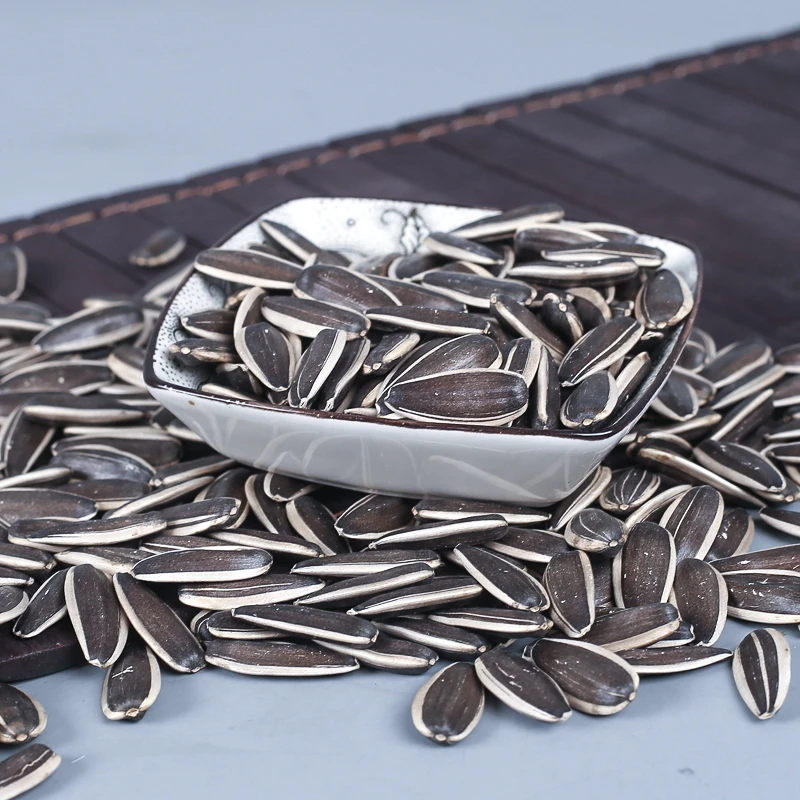
Bagged melon seeds represent a significant segment of the processed snack food industry, positioned between primary agricultural production and consumer packaged goods. The product consists of dried melon seeds, typically watermelon, cantaloupe, or pumpkin, packaged for retail sale. Critical performance parameters include seed moisture content, kernel size ratio, oil content, and packaging barrier properties impacting shelf life. The primary function of bagged melon seeds is to provide a palatable and nutritious snack, relying on optimized processing and packaging to preserve flavor, texture, and prevent rancidity. This guide provides a detailed technical overview of the material science, manufacturing processes, performance characteristics, potential failure modes, and relevant industry standards governing the production and distribution of bagged melon seeds.
Material Science & Manufacturing
The core material is the melon seed itself, composed of an endosperm (kernel) rich in unsaturated fatty acids, proteins, and carbohydrates, and a seed coat (hull) containing cellulose and lignin. Seed quality, determined by varietal genetics and agricultural practices, fundamentally impacts the final product. Manufacturing begins with seed harvesting, cleaning, and drying. Drying is a crucial step, typically employing hot air ovens or fluidized bed dryers to reduce moisture content to below 5% to inhibit microbial growth and enzymatic activity. Following drying, seeds are often de-hulled, either mechanically or via abrasion. De-hulling efficiency influences the kernel yield and overall product appearance. The de-hulled kernels may undergo seasoning with salt, spices, or flavorings, applied via tumbling or spray coating. Packaging utilizes multi-layer films, commonly consisting of polypropylene (PP) or polyethylene terephthalate (PET) for structural integrity, combined with an ethylene-vinyl alcohol (EVOH) layer to enhance oxygen and moisture barrier properties. Sealing is typically achieved through heat sealing, requiring precise temperature and pressure control to ensure hermetic closures. Parameter control during drying – temperature, air velocity, and duration – are paramount to prevent kernel cracking and maintain oil quality. Film layer thickness and EVOH content directly correlate to shelf-life stability. Contamination control throughout the process is vital; adherence to HACCP principles is essential.
Performance & Engineering
Performance of bagged melon seeds hinges on maintaining acceptable textural characteristics – crispness and minimal fragmentation – coupled with preventing rancidity. Oil oxidation, driven by atmospheric oxygen and catalyzed by trace metals, is the primary degradation pathway. The rate of oxidation is quantified by the Peroxide Value (PV) and Anisidine Value (AV). Packaging barrier properties directly influence oxygen transmission rate (OTR), mitigating oxidation. Mechanical integrity of the packaging is also crucial; burst strength and tensile strength determine resistance to damage during handling and transport. Force analysis of the packaging materials determines their ability to withstand distribution stresses. Environmental resistance assessments include evaluating the impact of temperature fluctuations and humidity on barrier properties and seed quality. Compliance requirements mandate adherence to food safety regulations, including limits on heavy metal content (lead, cadmium), pesticide residues, and microbial contamination. Furthermore, packaging materials must comply with regulations regarding food contact materials, ensuring no migration of harmful substances into the product. Shelf-life studies, conducted under accelerated aging conditions, are employed to predict product stability and establish ‘best before’ dates. The water activity (Aw) of the seeds, ideally below 0.6, inhibits microbial growth and enzymatic reactions.
Technical Specifications
| Parameter | Unit | Specification | Test Method |
|---|---|---|---|
| Moisture Content | % | ≤ 5.0 | AOAC 925.10 |
| Oil Content | % | ≥ 40.0 | Soxhlet Extraction (AOAC 920.39) |
| Peroxide Value (PV) | meq O2/kg | ≤ 2.0 | AOCS Cd 8-53 |
| Anisidine Value (AV) | – | ≤ 10.0 | AOCS Cd 8-53 |
| Oxygen Transmission Rate (OTR) | cc/m²/day | ≤ 5.0 | ASTM D3985 |
| Water Vapor Transmission Rate (WVTR) | g/m²/day | ≤ 3.0 | ASTM E96 |
Failure Mode & Maintenance
Bagged melon seeds are susceptible to several failure modes. Rancidity, as previously discussed, is a primary concern, manifesting as off-flavors and odors. This is accelerated by elevated temperatures and exposure to oxygen. Packaging failure, including punctures, tears, or seal defects, compromises barrier properties and accelerates oxidation. Kernel cracking during processing or handling results in fragmented seeds, reducing aesthetic appeal and potentially generating dust. Microbial contamination, though less common with proper processing and low moisture content, can lead to spoilage and potential health risks. Hulling damage can result in a high percentage of broken kernels. Maintenance focuses on preventative measures. Proper storage conditions – cool, dry, and dark – are essential to minimize oxidation. Regular inspection of packaging for defects is crucial. Maintaining clean and sanitized processing equipment prevents microbial contamination. Calibration of drying equipment ensures optimal moisture removal. Implementation of a robust quality control system, including regular testing for PV, AV, and moisture content, is vital for identifying and addressing potential issues before they impact product quality. Periodic assessment of packaging material integrity via burst and tensile strength testing ensures consistent performance. Shelf-life testing provides data-driven insights for establishing appropriate ‘best before’ dates.
Industry FAQ
Q: What is the significance of EVOH layer thickness in the packaging film?
A: The EVOH layer provides the primary barrier against oxygen permeation. Increasing EVOH layer thickness directly reduces the OTR, thereby extending shelf life and preventing rancidity. However, thicker EVOH layers can increase material cost and potentially impact sealability. Optimization requires balancing barrier performance with economic considerations and processing feasibility.
Q: How does seed variety influence oil stability?
A: Different melon seed varieties exhibit varying fatty acid profiles. Seeds with a higher proportion of oleic acid are generally more resistant to oxidation than those with higher levels of linoleic acid. Selection of varieties with inherently stable oil compositions can improve product shelf life.
Q: What are the critical control points during the drying process?
A: Temperature, air velocity, and drying duration are the key control points. Excessive temperatures can lead to kernel cracking and oil degradation. Insufficient drying results in elevated moisture content, promoting microbial growth and enzymatic activity. Precise control and monitoring are essential.
Q: How often should packaging material integrity be tested?
A: Packaging material should be tested for burst strength and tensile strength on each production lot. Additionally, random samples from finished goods should undergo periodic testing to ensure consistent performance throughout the distribution chain.
Q: What are the implications of exceeding the specified Peroxide Value (PV)?
A: An elevated PV indicates the onset of lipid oxidation, signifying rancidity. Exceeding the specified PV threshold renders the product unacceptable due to off-flavors and potential health concerns related to oxidized lipid byproducts. Corrective action, including source tracing and process adjustments, is immediately required.
Conclusion
The production of high-quality bagged melon seeds necessitates a holistic understanding of material science, manufacturing processes, and performance characteristics. Maintaining optimal moisture content, minimizing oxygen exposure through appropriate packaging, and controlling processing parameters are critical for preserving product quality and extending shelf life. The meticulous control of parameters like drying temperature and the selection of seed varieties with favorable oil profiles are vital for inhibiting rancidity.
Looking forward, advancements in packaging technology, such as the use of active packaging with oxygen scavengers or antimicrobial agents, could further enhance product preservation. Continuous monitoring of key quality indicators, coupled with robust quality control systems, remains paramount to ensuring consistent product performance and consumer satisfaction. Adherence to relevant international standards and regulatory guidelines is crucial for maintaining market access and protecting consumer health.
