Introduction
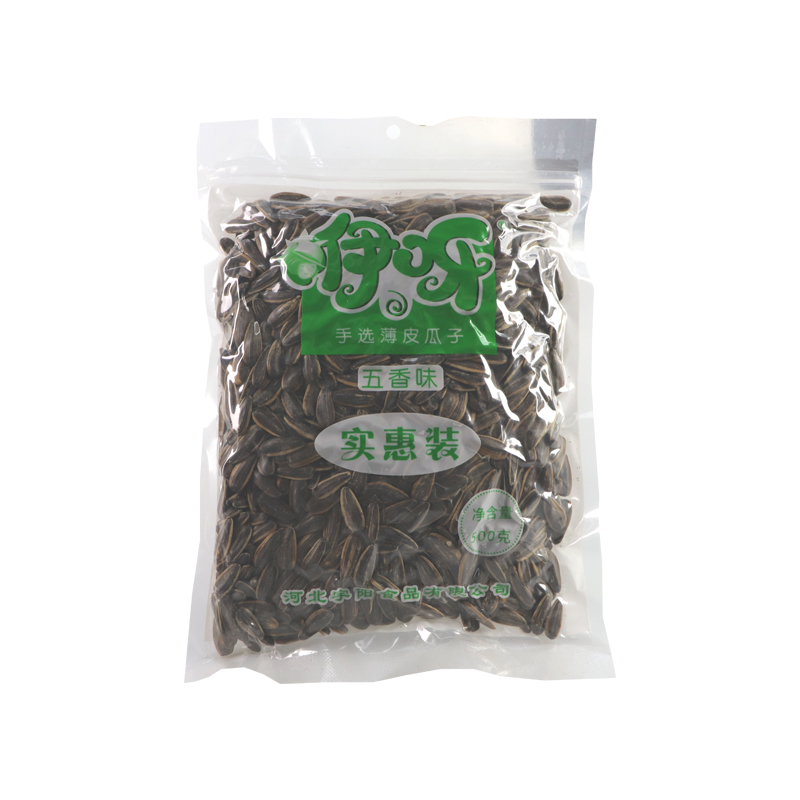
Bagged melon seeds represent a significant segment within the processed snack food industry, characterized by a complex interplay of agricultural product processing, packaging technology, and quality control. This guide details the technical considerations for manufacturers of bagged melon seeds, focusing on material science, manufacturing processes, performance parameters, potential failure modes, and relevant industry standards. The industry faces core challenges related to maintaining seed viability, preventing rancidity from oil oxidation, ensuring packaging integrity to preserve freshness and flavor, and complying with stringent food safety regulations. Optimal production requires careful control of moisture content, seed variety selection, proper roasting/flavoring techniques, and the selection of barrier packaging films capable of minimizing oxygen and moisture ingress. This document aims to provide a comprehensive technical overview for engineers, procurement managers, and quality control personnel involved in the bagged melon seed manufacturing process.
Material Science & Manufacturing
The core material is, of course, the melon seed itself, primarily sourced from watermelon, cantaloupe, and honeydew varieties. Seed composition is roughly 50-60% oil, 20-30% protein, and the remaining percentage consisting of carbohydrates, moisture, and ash. Oil composition is primarily linoleic acid (omega-6) and oleic acid (omega-9), making it susceptible to oxidative rancidity. Raw seeds require cleaning to remove debris, followed by drying to a specific moisture content (typically 8-12% w/w) to prevent microbial growth and facilitate processing. Roasting is critical, influencing flavor development and texture. Temperature control (120-180°C) and duration (15-30 minutes) are key parameters, impacting oil oxidation rates and acrylamide formation. Flavoring involves applying seasonings, often using oil-based carriers for adhesion. Finally, the packaging material is crucial. Commonly used materials include multi-layer films composed of polypropylene (PP), polyethylene (PE), and ethylene vinyl alcohol (EVOH). EVOH provides an excellent oxygen barrier, while PE and PP contribute to sealability and mechanical strength. Manufacturing involves forming, filling, and sealing equipment. Bag material thickness, seal integrity, and nitrogen flushing (to reduce oxygen content) are vital parameters. Proper storage conditions – low temperature (below 25°C) and humidity (below 60% RH) – are essential to extend shelf life.
Performance & Engineering
The primary performance requirement is maintaining product quality (flavor, texture, and absence of rancidity) over the specified shelf life. This necessitates careful control of water activity (aw), which impacts microbial growth and chemical reaction rates. Aw should ideally be below 0.6. Packaging performance is evaluated based on oxygen transmission rate (OTR) and water vapor transmission rate (WVTR). Lower OTR values (measured in cc/m2/day) are crucial to minimize oil oxidation. WVTR (measured in g/m2/day) must be low to prevent moisture uptake and maintain crispness. Mechanical properties of the packaging film, including tensile strength, elongation at break, and puncture resistance, are vital to prevent bag rupture during handling and transportation. Force analysis of the sealing seams is critical to ensure hermetic closure. Engineering considerations include designing packaging lines that minimize damage to the seeds, optimizing nitrogen flushing systems for maximum oxygen displacement, and implementing real-time monitoring of temperature and humidity within the packaging environment. Compliance with food safety standards (HACCP, GMP) requires robust process control and traceability systems. Material compatibility between the seed coating (flavorings) and the packaging film must be assessed to prevent leaching of undesirable compounds.
Technical Specifications
| Parameter | Unit | Typical Value | Acceptable Range |
|---|---|---|---|
| Seed Moisture Content | % w/w | 10 | 8 – 12 |
| Oil Content | % w/w | 55 | 50 – 60 |
| Peroxide Value (Oil) | meq O2/kg | < 5 | < 10 |
| Oxygen Transmission Rate (OTR) | cc/m2/day | < 2 | < 5 |
| Water Vapor Transmission Rate (WVTR) | g/m2/day | < 3 | < 6 |
| Packaging Film Tensile Strength | MPa | > 20 | 18 – 30 |
Failure Mode & Maintenance
Common failure modes include rancidity due to lipid oxidation, leading to off-flavors and decreased consumer acceptance. This is accelerated by exposure to oxygen, light, and elevated temperatures. Another failure mode is loss of crispness due to moisture absorption, resulting in a soggy texture. Packaging failures, such as seal defects or punctures, can compromise barrier properties and accelerate spoilage. Seed cracking during processing or handling can lead to dust formation and aesthetic issues. Microbial contamination, although less frequent with proper drying and packaging, can result in spoilage and health risks. Maintenance strategies include regular inspection of packaging equipment for seal integrity, calibration of temperature and humidity sensors, implementation of a robust cleaning and sanitation program, and periodic testing of seed oil quality (peroxide value, fatty acid profile). Preventive maintenance on roasting equipment minimizes the risk of uneven heating and acrylamide formation. Routine monitoring of storage conditions (temperature, humidity) is essential to maintain product quality. Furthermore, a comprehensive root cause analysis should be performed for any identified failures to implement corrective actions and prevent recurrence.
Industry FAQ
Q: What is the optimal EVOH layer thickness in a multi-layer packaging film for maximizing shelf life?
A: The optimal EVOH layer thickness typically ranges from 10-20 μm. Increasing the thickness beyond 20 μm yields diminishing returns in oxygen barrier performance and can negatively impact film flexibility and sealability. The specific requirement depends on the seed oil composition and desired shelf life.
Q: How does the roasting temperature affect acrylamide formation in melon seeds?
A: Higher roasting temperatures and longer roasting times generally lead to increased acrylamide formation. Maintaining a roasting temperature below 180°C and optimizing roasting time are crucial for minimizing acrylamide levels. Adding asparaginase to reduce free asparagine can also mitigate acrylamide formation.
Q: What methods are available for monitoring oxygen levels within the packaged product?
A: Oxygen levels can be monitored using oxygen sensors inserted through the packaging film (destructive testing) or by using non-destructive methods such as oxygen indicators that change color in response to oxygen exposure. Headspace gas analysis provides a quantitative measurement of oxygen content.
Q: What are the key considerations for selecting a suitable nitrogen flushing system?
A: Key considerations include the flushing gas purity (nitrogen content >99.5%), the flow rate, the duration of flushing, and the bag volume. Optimizing these parameters ensures complete displacement of oxygen within the package.
Q: How do different seed varieties (watermelon, cantaloupe, honeydew) differ in terms of oil stability and flavor profile?
A: Watermelon seeds generally have higher linoleic acid content, making them more susceptible to oxidation than cantaloupe or honeydew seeds. Cantaloupe seeds often exhibit a more pronounced nutty flavor. Honeydew seeds tend to be smaller and have a milder flavor profile. These differences necessitate adjustments to roasting and flavoring parameters.
Conclusion
The manufacture of high-quality bagged melon seeds requires a holistic approach encompassing careful seed selection, precise process control, and the utilization of appropriate packaging technology. Maintaining seed viability, preventing rancidity, and ensuring packaging integrity are paramount. Understanding the material science principles governing oil oxidation and moisture absorption is critical for optimizing product shelf life and preserving sensory attributes. Adherence to relevant food safety standards and continuous monitoring of critical process parameters are essential for delivering a safe and consistent product.
Future trends in the industry are likely to focus on sustainable packaging materials, advanced oxidation control technologies (e.g., antioxidants, modified atmosphere packaging), and the development of novel flavorings. Investing in research and development to improve seed oil stability and enhance packaging barrier properties will be key to maintaining competitiveness in a dynamic market. Furthermore, implementing real-time quality control systems and leveraging data analytics can help manufacturers optimize processes and minimize waste.
