Introduction
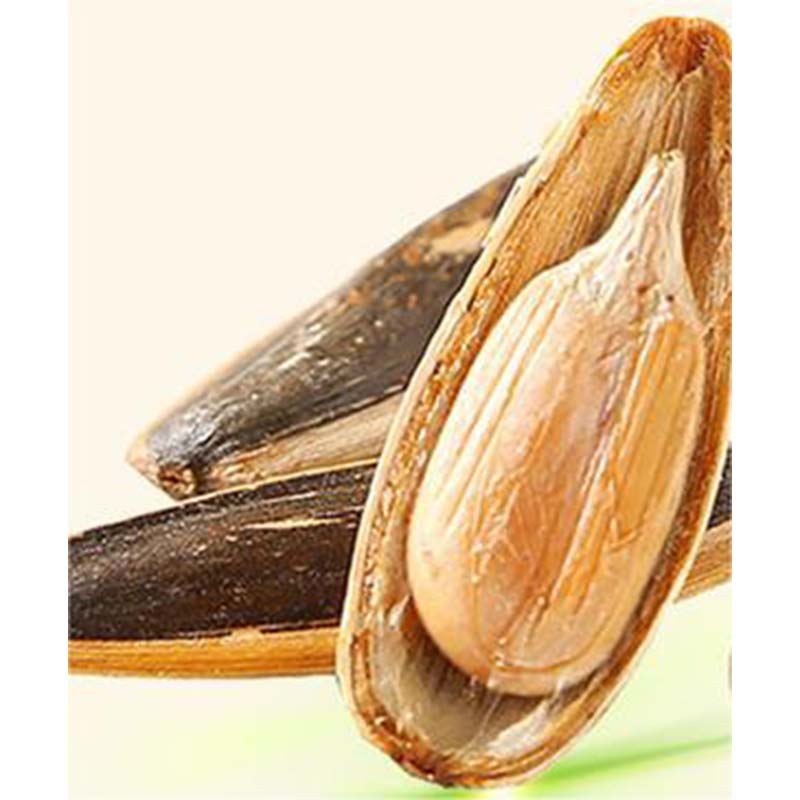
Bagged melon seeds represent a significant segment of the global snack food industry, requiring stringent quality control and packaging methodologies. This technical guide addresses the critical aspects of their production, from seed selection and processing to packaging material science and long-term storage stability. The industry chain begins with agricultural cultivation, extends through post-harvest processing (drying, grading, flavoring), and culminates in flexible packaging designed to preserve seed viability, flavor, and prevent rancidity. Core performance metrics center on moisture content, oil stability, packaging barrier properties (oxygen, moisture, light), and adherence to food safety regulations. The proliferation of flavored melon seeds has also introduced complexities regarding ingredient compatibility and shelf-life prediction. The primary pain points experienced by manufacturers revolve around maintaining seed quality through processing, preventing lipid oxidation and off-flavor development, and ensuring consistent package integrity to maintain product freshness and consumer appeal. Furthermore, achieving cost-effectiveness without compromising quality remains a constant challenge.
Material Science & Manufacturing
The primary raw material is, of course, the melon seed itself, typically derived from varieties like watermelon, cantaloupe, and honeydew. Seed composition varies significantly by variety, impacting oil content (30-50% typically), protein content (20-30%), and moisture levels (6-10% optimal for storage). Raw seeds undergo several critical processing steps. Initial cleaning removes debris, followed by drying – typically employing hot-air drying at controlled temperatures (60-80°C) to reduce moisture content. Over-drying can lead to cracking and reduced palatability, while insufficient drying promotes fungal growth and rancidity. Grading is performed based on size and visual quality, often utilizing mechanical separators. Flavoring involves coating the seeds with a blend of salt, spices, and potentially food-grade oils. The coating formulation is critical, impacting flavor adhesion, shelf life, and consumer acceptance. Packaging materials are predominantly flexible films composed of multi-layer structures. Common materials include polyethylene (PE), polypropylene (PP), polyethylene terephthalate (PET), and aluminum foil. The choice of materials is dictated by barrier properties, heat-sealability, and cost. Manufacturing of the packaging involves film extrusion, printing (typically flexographic or rotogravure), lamination, and bag forming (using vertical or horizontal form-fill-seal (VFFS/HFFS) machines). Critical parameters include film thickness, laminate bonding strength, seal integrity, and print quality. Proper control of these parameters is paramount to prevent package failure and maintain product quality.
Performance & Engineering
The performance of bagged melon seeds is fundamentally linked to maintaining seed viability (though usually consumed, seeds retain a degree of potential for germination), preventing lipid oxidation, and preserving sensory attributes (flavor, texture). Moisture ingress is a primary concern, accelerating rancidity and promoting microbial growth. Oxygen permeability of the packaging directly influences the rate of lipid oxidation. Light exposure also contributes to oxidative degradation. Force analysis in packaging focuses on tensile strength, tear resistance, and puncture resistance – crucial for withstanding handling and transportation stresses. Environmental resistance considers temperature fluctuations, humidity levels, and UV exposure. The packaging must maintain its integrity across a wide range of environmental conditions. Compliance requirements are dictated by food safety regulations (e.g., FDA in the US, EFSA in Europe), which stipulate permissible levels of contaminants, packaging material safety, and labeling requirements. Functional implementation of the packaging relies on a hermetic seal, preventing gas exchange and maintaining a modified atmosphere within the package (often nitrogen flushing to reduce oxygen levels). Shelf-life modeling utilizes accelerated aging studies to predict product degradation rates under various storage conditions. Understanding the Arrhenius equation and its application to lipid oxidation kinetics is vital for accurate shelf-life prediction.
Technical Specifications
| Seed Moisture Content | Oil Content (Dry Basis) | Oxygen Transmission Rate (OTR) - Package Film | Water Vapor Transmission Rate (WVTR) - Package Film | Package Tensile Strength (MD/TD) | Seal Strength (N/mm) |
|---|---|---|---|---|---|
| 6-8% | 35-45% | < 5 cm³/m²/day | < 3 g/m²/day | 20/15 MPa | > 2.0 N/mm |
| Water Activity (Aw) | Protein Content (Dry Basis) | Package Thickness (µm) | Light Transmission (%) | Dart Impact Strength (g) | COF (Static/Kinetic) |
| 0.6 - 0.7 | 22-28% | 60-80 µm | < 5% | > 500 g | 0.2/0.15 |
| Peroxide Value (Initial) | Acid Value (Initial) | Burst Strength (kPa) | Heat Seal Temperature (°C) | Package Elongation (%) | Seal Initiation Temperature (°C) |
| < 1 meq O₂/kg | < 0.5 mg KOH/g | > 300 kPa | 120-150 | > 150% | 100-120 |
| Shelf Life (Months) | Flavor Retention (Months) | Film Composition | Printing Ink Adhesion | Package Volume (mL) | Package Weight (g) |
Failure Mode & Maintenance
Failure modes in bagged melon seeds are diverse. Package failure, manifesting as leaks or seal breaches, is a primary concern, leading to moisture ingress and rancidity. This can be caused by poor seal integrity, puncture damage during handling, or material defects. Seed quality degradation results from lipid oxidation, evidenced by a stale or rancid flavor. This is accelerated by oxygen, light, and elevated temperatures. Flavor loss or fading can occur due to volatilization of aroma compounds through the packaging film. Physical damage to the seeds during processing (cracking or chipping) reduces palatability. Maintenance involves rigorous quality control throughout the production process. This includes monitoring seed moisture content, controlling drying temperatures, ensuring proper seal integrity, and utilizing antioxidant packaging materials. Storage conditions are crucial – cool, dry environments minimize oxidation rates. Regular inspection of packaging materials for defects is essential. Implementing a first-in, first-out (FIFO) inventory management system ensures product rotation and minimizes the risk of exceeding shelf life. Periodic sensory evaluation of stored products provides an early warning of quality deterioration. Failure analysis should involve identifying the root cause of failures (e.g., material defect, process parameter deviation) and implementing corrective actions.
Industry FAQ
Q: What are the critical packaging material considerations for extending shelf life?
A: The most critical aspects are minimizing oxygen and moisture permeability. Multi-layer films incorporating aluminum foil or metallized films provide excellent barrier properties. The selection of appropriate polymers (PE, PP, PET) also influences barrier performance. Nitrogen flushing before sealing further reduces oxygen levels within the package.
Q: How does seed moisture content impact product quality and shelf life?
A: High moisture content accelerates lipid oxidation and promotes microbial growth, significantly reducing shelf life. Optimal moisture content (6-8%) is crucial for maintaining seed quality. Proper drying and moisture barrier packaging are essential.
Q: What analytical methods are used to assess lipid oxidation?
A: Common methods include peroxide value (PV), acid value (AV), and thiobarbituric acid reactive substances (TBARS). Gas chromatography-mass spectrometry (GC-MS) can be used to identify specific oxidation products. Sensory evaluation also provides a valuable assessment of rancidity.
Q: What are the key regulatory requirements regarding packaging materials used for food contact?
A: Packaging materials must comply with food contact regulations established by relevant authorities (e.g., FDA in the US, EFSA in Europe). These regulations specify permissible levels of extractable substances and ensure the material does not migrate into the food at harmful levels. Certifications of compliance should be available from material suppliers.
Q: How can we mitigate the risk of seal failure in the packaging?
A: Maintaining proper heat seal parameters (temperature, pressure, dwell time) is critical. Ensuring clean sealing surfaces and using high-quality sealing materials are also important. Regular seal strength testing should be conducted to verify integrity. Package design should minimize stress on seals during handling and transportation.
Conclusion
The production of high-quality, long-lasting bagged melon seeds hinges on a holistic understanding of material science, processing parameters, and packaging technology. Optimizing seed moisture content, controlling lipid oxidation, and utilizing effective barrier packaging are paramount to maintaining product freshness and consumer appeal. Rigorous quality control, coupled with adherence to food safety regulations, is non-negotiable.
Future advancements in packaging materials, such as active packaging incorporating oxygen scavengers or antioxidants, hold promise for further extending shelf life and enhancing product quality. The development of more sustainable packaging solutions, utilizing bio-based or recyclable materials, is also gaining increasing importance. Continuous monitoring of industry trends and regulatory changes is essential for maintaining competitiveness and ensuring compliance.
