
Introduction
Bagged melon seed factories represent a critical segment of the processed food industry, specializing in the cleaning, processing, flavoring, and packaging of melon seeds for consumer consumption. This industry chain extends from agricultural sourcing to retail distribution, demanding stringent quality control and adherence to food safety regulations. Core performance metrics center around seed quality (moisture content, germination rate – albeit less critical post-processing, and absence of foreign matter), flavor consistency, packaging integrity (shelf life preservation), and production efficiency. A significant pain point is maintaining consistent flavor profiles due to variability in raw seed composition and the precise control of seasoning application. Further, maintaining product freshness and preventing rancidity are paramount concerns, driving demands for advanced packaging materials and technologies. The increasing consumer preference for healthy snacks also necessitates the minimization of sodium and unhealthy fats within formulations, placing further demands on processing techniques.
Material Science & Manufacturing
The primary raw material, melon seeds, are comprised largely of lipids (30-50%), proteins (20-30%), carbohydrates (10-20%), and moisture (8-12%). Lipid composition dictates flavor and susceptibility to rancidity; unsaturation levels are key. Seed hull composition varies by melon variety, impacting cleaning and cracking efficiency. Manufacturing processes begin with seed cleaning and grading (removing debris, broken seeds, and foreign matter). This utilizes sieving, aspiration, and density separation techniques. Cracking, often using impact or roller mechanisms, necessitates precise force control to maximize kernel yield while minimizing damage. Following cracking, seeds undergo a heating process (roasting, frying, or hot-air drying) critical for flavor development, moisture reduction, and microbial inactivation. Seasoning application, typically involving tumbling with powdered flavorings, requires uniform coating and adherence. Finally, seeds are packaged. Packaging materials, predominantly multi-layer films incorporating polyethylene (PE), polypropylene (PP), and polyethylene terephthalate (PET), require careful selection based on oxygen transmission rate (OTR), water vapor transmission rate (WVTR), and mechanical strength. Parameter control during roasting (temperature, duration, airflow) is vital to prevent burning and ensure consistent flavor. Seasoning adhesion is controlled by powder particle size, coating liquid viscosity (if used), and tumbling speed. Packaging seal integrity is verified through leak testing.
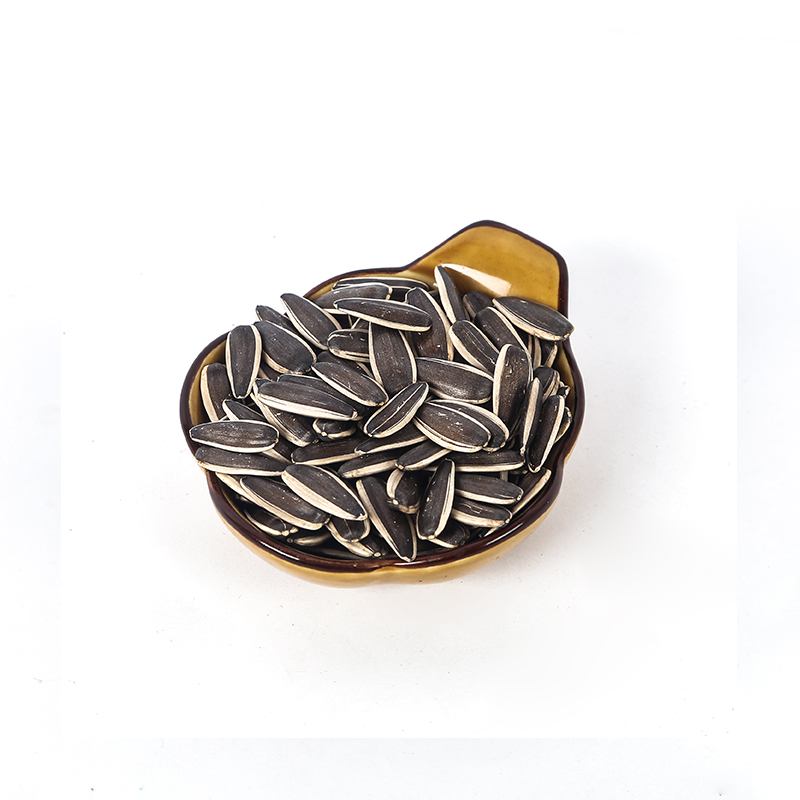
Performance & Engineering
Performance analysis centers on shelf life, flavor retention, and packaging durability. Shelf life is primarily governed by lipid oxidation, quantified by peroxide value (PV) and anisidine value (AV). Predictive modeling, utilizing Arrhenius kinetics, estimates shelf life based on accelerated storage tests at elevated temperatures. Flavor retention is assessed through sensory evaluation and gas chromatography-mass spectrometry (GC-MS) analysis of volatile aroma compounds. Packaging performance is evaluated through tensile strength testing (ASTM D882), puncture resistance testing (ASTM D1003), and barrier property measurements (OTR and WVTR – ASTM D3985 and ASTM E96). Force analysis during cracking operations dictates machine design to minimize kernel breakage. Compliance requirements include adherence to food safety standards such as Hazard Analysis and Critical Control Points (HACCP), Good Manufacturing Practices (GMP), and relevant national/regional food regulations (e.g., FDA in the US, EFSA in Europe). Environmental resistance assessments include thermal stability of packaging materials and resistance to UV degradation, particularly for transparent packaging.
Technical Specifications
| Seed Moisture Content | Oil Content (Dry Basis) | Packaging OTR (cc/m²/day) | Packaging WVTR (g/m²/day) | Cracking Yield (%) | Peroxide Value (Initial) (meq/kg) |
|---|---|---|---|---|---|
| 5-7% | 40-55% | < 10 | < 5 | >90 | < 2 |
| Typical Range | Typical Range | High-Barrier Film | High-Barrier Film | Acceptable Range | Acceptable Range |
| Specification Limit (Max) | Specification Limit (Min) | Maximum Allowable | Maximum Allowable | Minimum Acceptable | Maximum Allowable |
| 6.5% | 35% | 5 | 3 | 85% | 3 |
| Testing Method (Moisture) | Testing Method (Oil) | Testing Method (OTR) | Testing Method (WVTR) | Testing Method (Yield) | Testing Method (PV) |
| Karl Fischer Titration (ASTM D664) | Soxhlet Extraction (AOAC 920.39) | ASTM D3985 | ASTM E96 | Weight Ratio (Kernels/Total Seed) | AOCS Cd 8-53 |
Failure Mode & Maintenance
Common failure modes include rancidity due to lipid oxidation (leading to off-flavors and reduced shelf life), packaging failure (seal defects, punctures) resulting in moisture ingress and oxidation, and kernel breakage during cracking. Rancidity is accelerated by elevated temperatures, oxygen exposure, and the presence of metal ions. Packaging failure is often attributed to material defects, improper sealing, or mechanical damage during handling and transportation. Kernel breakage results from excessive cracking force, improper machine calibration, or seed quality variations. Preventative maintenance includes regular cleaning and lubrication of cracking and seasoning equipment. Packaging machinery requires routine inspection of sealing jaws, temperature controllers, and film feed mechanisms. Storage of raw materials and finished products should be under cool, dry, and dark conditions. Quality control procedures must include regular peroxide value monitoring, packaging integrity testing, and visual inspection for kernel damage. Addressing the root cause of packaging failures requires a materials analysis to identify the source of weakness.
Industry FAQ
Q: What is the optimal moisture content for melon seeds prior to roasting to maximize flavor development and minimize cracking?
A: The optimal moisture content is typically between 5-7%. Lower moisture levels can lead to excessive cracking and brittleness, while higher levels can result in uneven roasting and a soggy texture. Accurate moisture control is essential for consistent product quality.
Q: How do you select the appropriate packaging material to extend shelf life and prevent rancidity?
A: Packaging material selection is critical. Multi-layer films with low OTR and WVTR are essential. Materials incorporating EVOH (ethylene vinyl alcohol) or aluminum foil provide superior barrier properties. The specific requirements depend on the oil content of the seeds and the desired shelf life. Testing OTR and WVTR of the selected materials is crucial.
Q: What are the key indicators of lipid oxidation, and how frequently should they be monitored?
A: Peroxide value (PV) and anisidine value (AV) are the primary indicators of lipid oxidation. PV measures the initial stages of oxidation, while AV quantifies the formation of secondary oxidation products. Monitoring should be conducted at least monthly for stored products and periodically during the production process.
Q: What are the common causes of uneven seasoning application, and how can they be addressed?
A: Uneven seasoning application can be caused by inconsistent powder distribution, improper tumbling speed, or inadequate adhesion. Particle size of the seasoning powder should be optimized. Tumbling speed must be adjusted to ensure thorough mixing without causing breakage. Consider using a coating liquid to improve adhesion if necessary.
Q: What HACCP critical control points are most relevant in a bagged melon seed factory?
A: Critical control points include raw material sourcing (seed quality), roasting temperature and duration (microbial inactivation), seasoning application (allergen control), metal detection (foreign material control), and packaging seal integrity (barrier protection). Regular monitoring and record-keeping are essential for HACCP compliance.
Conclusion
The successful operation of bagged melon seed factories relies on a detailed understanding of material science, precise control of manufacturing processes, and rigorous quality assurance. Maintaining optimal seed moisture content, employing high-barrier packaging materials, and consistently monitoring lipid oxidation are paramount for ensuring product freshness and extending shelf life. Adherence to relevant food safety regulations (HACCP, GMP) and international standards is non-negotiable.
Future advancements are likely to focus on improved seed cracking technologies to minimize kernel breakage, development of novel flavor encapsulation techniques to enhance flavor retention, and utilization of sustainable packaging materials to reduce environmental impact. Continuous improvement in process control and monitoring will be key to meeting evolving consumer demands for high-quality, healthy snack products.
