Introduction
Sunflower seeds (Helianthus annuus) are an increasingly significant commodity in the global nutraceutical and functional food market, with a growing emphasis on suppliers catering to weight management applications. This technical guide details the science behind sunflower seeds’ potential impact on weight loss, focusing on compositional analysis, processing parameters affecting bioactive compounds, quality control benchmarks, and critical supplier considerations. We will explore the role of oleic acid, fiber content, vitamin E, and protein in influencing satiety, metabolic rate, and overall weight management. The industry faces challenges in maintaining consistent seed quality, mitigating acrylamide formation during roasting, and ensuring adherence to stringent food safety regulations. This document serves as a comprehensive resource for procurement managers, quality assurance engineers, and R&D professionals evaluating are sunflower seeds good for weight loss suppliers.
Material Science & Manufacturing
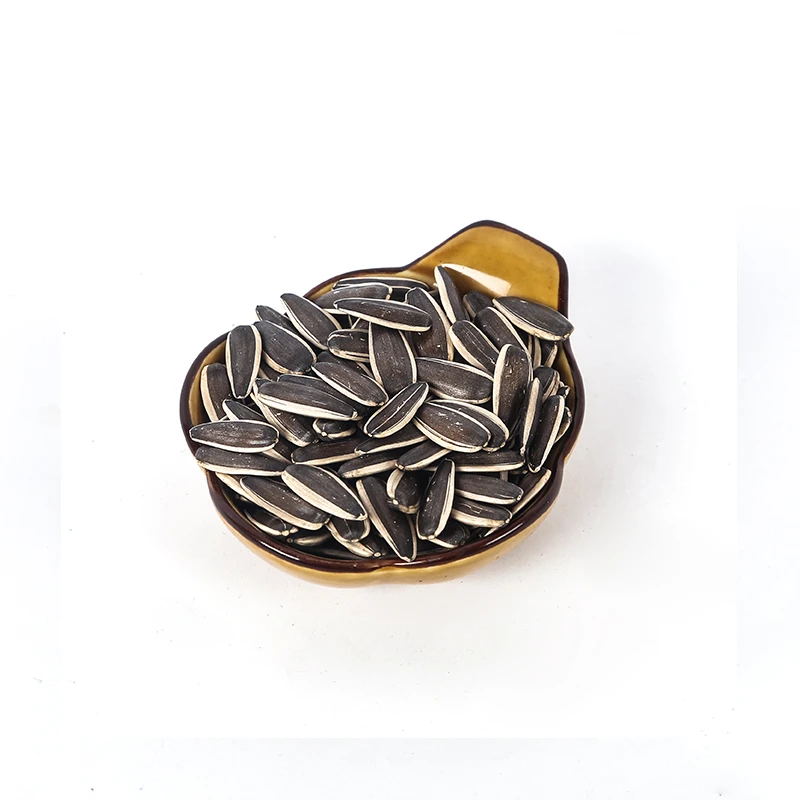
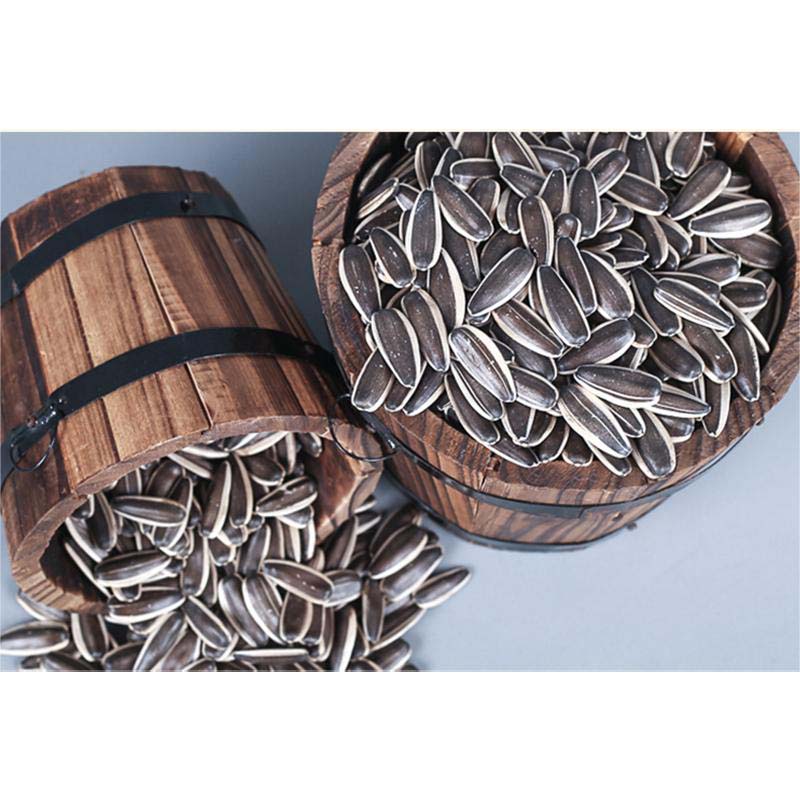
Sunflower seeds comprise a hull (pericarp) accounting for 20-50% of the seed’s weight, and a kernel. Kernel composition varies significantly based on cultivar, growing conditions, and post-harvest processing. The kernel is rich in oil (40-50%), primarily linoleic acid (C18:2) and oleic acid (C18:1), with high-oleic varieties gaining prominence for improved oxidative stability. Protein content ranges from 18-25%, comprising globulins, albumins, and prolamins. Dietary fiber, primarily cellulose and hemicellulose in the hull and kernel, contributes significantly to satiety. Manufacturing begins with harvesting and drying to a moisture content of 8-10% to prevent fungal growth. Dehulling removes the pericarp, often mechanically. Kernels undergo cleaning, grading (based on size and density), and roasting, a critical step influencing flavor, texture, and acrylamide formation. Roasting parameters – temperature (140-180°C), duration (20-60 minutes), and airflow – must be meticulously controlled. Extrusion is utilized to produce puffed sunflower seeds, altering the starch structure and improving digestibility. Oil extraction, typically via mechanical pressing or solvent extraction (hexane), yields sunflower oil. Quality control measures at each stage, including moisture analysis (Karl Fischer titration), oil content determination (Soxhlet extraction), and protein quantification (Kjeldahl method), are paramount.
Performance & Engineering
The efficacy of sunflower seeds in weight management relies on several physiological mechanisms. The high fiber content promotes satiety, delaying gastric emptying and reducing caloric intake. Oleic acid, a monounsaturated fatty acid, has been linked to improved insulin sensitivity and reduced abdominal fat accumulation. Vitamin E acts as an antioxidant, mitigating oxidative stress associated with obesity. The protein content contributes to thermogenesis, increasing energy expenditure. However, the energy density of sunflower seeds (around 584 kcal/100g) necessitates portion control. Engineering considerations for packaging include moisture barrier properties to prevent rancidity (OTR < 1 cm³/m²/day, WVTR < 3 g/m²/day), and robust sealing to maintain freshness. Shelf-life studies under accelerated aging conditions (37°C, 75% RH) are crucial for determining expiration dates. Furthermore, the potential for acrylamide formation during roasting necessitates optimization of processing parameters and the incorporation of acrylamide mitigation strategies, such as the addition of asparaginase. Mechanical strength of packaging is also critical to prevent breakage and maintain product integrity during transport and storage; tensile strength exceeding 20 MPa is generally required.
Technical Specifications
| Parameter | Unit | Typical Value (Kernel) | Acceptable Range |
|---|---|---|---|
| Moisture Content | % | 7.0 | 6.0 - 9.0 |
| Oil Content | % | 48.0 | 45.0 - 52.0 |
| Protein Content | % | 22.0 | 18.0 - 26.0 |
| Fiber Content | % | 6.0 | 5.0 - 8.0 |
| Oleic Acid Content (of total fat) | % | 65.0 | 60.0 - 75.0 (High-Oleic) |
| Acrylamide Content | µg/kg | < 100 | < 150 (EU Regulation) |
Failure Mode & Maintenance
Sunflower seed quality degradation can manifest in several failure modes. Rancidity, caused by lipid oxidation, is a primary concern, leading to off-flavors and reduced nutritional value. This is accelerated by high temperature, light exposure, and the presence of metal ions. Proper storage in airtight containers, under cool and dark conditions, is crucial. Kernel cracking during processing or handling indicates inadequate mechanical strength or improper moisture content. Fungal contamination (e.g., Aspergillus) poses a significant food safety risk, necessitating strict hygiene protocols and regular mycotoxin testing (Aflatoxin B1 < 2 ppb). Acrylamide formation, as discussed, is a chemical degradation pathway. Preventive measures include controlling roasting parameters and potentially utilizing asparaginase. Dehulling can result in kernel damage, reducing market value. Maintenance of processing equipment – dehullers, roasters, graders – is critical for consistent performance and minimizing seed damage. Regular inspection for wear and tear, lubrication of moving parts, and calibration of sensors are essential. Traceability systems, enabling the tracking of seeds from origin to consumer, are vital for identifying and addressing quality issues.
Industry FAQ
Q: What is the significance of the oleic acid content in sunflower seeds for weight management applications?
A: Higher oleic acid content improves oxidative stability, extending shelf life and preserving nutritional value. More importantly, research suggests that diets rich in oleic acid can promote increased satiety, enhance insulin sensitivity, and potentially reduce abdominal fat accumulation, all contributing to weight management.
Q: How do are sunflower seeds good for weight loss suppliers mitigate acrylamide formation during roasting?
A: Reputable suppliers employ several strategies: precise control of roasting temperature and duration, minimizing reducing sugar content in the seeds, and potentially utilizing asparaginase, an enzyme that reduces the formation of acrylamide precursors. Regular monitoring of acrylamide levels in finished products is also critical.
Q: What quality control measures should I expect from a reliable are sunflower seeds good for weight loss supplier?
A: Expect comprehensive testing for moisture content, oil content, protein content, fiber content, fatty acid profile, mycotoxin levels (Aflatoxin), and acrylamide content. A robust HACCP (Hazard Analysis and Critical Control Points) system and certifications like ISO 22000 are indicative of a strong commitment to food safety and quality.
Q: What are the key packaging requirements to maintain the quality of sunflower seeds during storage and transport?
A: Packaging should provide an excellent moisture barrier (WVTR < 3 g/m²/day) and oxygen barrier (OTR < 1 cm³/m²/day) to prevent rancidity. It should also be robust enough to withstand handling and transportation stresses (tensile strength > 20 MPa) and protect against light exposure.
Q: How important is traceability in the sunflower seed supply chain?
A: Traceability is paramount. A robust traceability system allows for rapid identification and isolation of potentially contaminated or substandard product, minimizing risk and ensuring consumer safety. It also demonstrates a supplier’s commitment to quality and accountability.
Conclusion
Sunflower seeds present a compelling ingredient option for weight management formulations, owing to their unique nutritional profile – high fiber, healthy fats, and protein. However, realizing these benefits necessitates stringent quality control throughout the entire supply chain, from seed selection and processing to packaging and storage. Selecting are sunflower seeds good for weight loss suppliers who demonstrate a commitment to optimizing roasting parameters to minimize acrylamide, adhering to rigorous food safety standards, and employing robust traceability systems is crucial.
Future advancements in sunflower breeding may yield cultivars with even higher oleic acid content, reduced sugar levels, and improved resistance to fungal contamination. Continued research into the bioavailability of nutrients and the impact of processing methods on bioactive compounds will further refine the understanding of sunflower seeds’ role in weight management and overall health. Suppliers that embrace innovation and invest in cutting-edge technologies will be best positioned to meet the evolving demands of the nutraceutical industry.
